A Cold Duluth Morning That Set Me Down This Path
Early this morning, just after dawn, I stepped out onto my porch with a warm mug of coffee in my hands. The sun comes up pretty late this time of year, and the sky had that soft winter glow we get in Duluth — a pale streak of pink along the treetops and the rest of the world still half-asleep under the snow. The air felt sharp on my cheeks, and I could hear a faint rumble from Lake Superior, the kind that drifts through the quiet neighborhoods when the wind is calm.
I was hoping to see the chickadees, since they’re usually the first ones I hear hopping through the pine branches. Instead, I caught sight of a fat gray squirrel perched on top of my feeder like he owned the place. His tail flicked around as he dug right into the good seed I’d put out the night before.
I just kind of sighed. I don’t blame the squirrels — they’re doing what squirrels do — but they sure know how to empty a feeder faster than any flock of winter birds. At my age, I try not to fuss with complicated contraptions or tricky gear. I like simple solutions, things that don’t require climbing ladders or fiddling with springs.
So that morning got me thinking again about the easiest ways to give the birds their space without turning backyard time into a wrestling match with squirrels. It’s been a little project of mine the past few winters, figuring out what works and what doesn’t for someone who moves a bit slower than he used to.
What I Tried at First and How It Turned Out
Back when I first started feeding birds regularly, I didn’t give squirrels much thought. I figured, “Well, they’ll grab a few seeds and move on.” Turns out, they don’t really move on. Once they know food’s available, they come right back — sometimes with cousins, neighbors, maybe the whole extended family, you know what I mean.
My first attempt was the classic: clapping my hands and shooing them off. That worked for about ten seconds, until they circled behind the pine tree and came right back. Pretty soon I felt silly yelling at a squirrel before breakfast.
Then I tried moving the feeder closer to the porch, thinking maybe my presence alone would keep them away. All that did was invite them onto the railing, which made for a real close-up when I opened the door.
What finally pushed me to rethink the whole setup was a snowy morning when I walked out, slipped a little on a patch of ice, and had one of those heart-thumping moments where you realize your balance isn’t what it used to be. I didn’t fall, but I stood there thinking, “Alright, Jeremy, you need a safer plan here.”
Little Lessons I Picked Up Along the Way
After that scare, I started experimenting with small adjustments that didn’t require much strength or fancy equipment. I learned a few simple tricks through trial and error, the kind of things seniors like me can manage without bending too much or hauling heavy tools around.
A Few Things That Made My Mornings Easier
-
Use distance to your advantage.
I set my feeder on a pole that’s far enough from the trees that squirrels can’t jump from a branch. They’re pretty athletic, but even they have limits. Once I found the right spot, I noticed fewer surprise visits. -
Keep the pole smooth.
Squirrels are good climbers, but a metal pole without texture makes it harder for them to latch on. I didn’t add anything fancy — just made sure it was a slick surface. Cold Minnesota weather does half the work for me. -
Offer them their own snack away from the feeder.
This one surprised me. A neighbor suggested tossing a few peanuts in a separate corner of the yard. I tried it one morning, and the squirrels seemed happy enough over there, leaving the feeder alone for a good stretch. -
Choose food they don’t like as much.
I switched to safflower seed occasionally. The birds don’t mind it, but the squirrels seem far less interested. Not a perfect fix, but it cuts down the rush. -
Use height — but not too much.
I raised the pole just enough that squirrels had trouble reaching the feeder, but not so high that I needed a step stool to refill it. My back thanks me every time.
None of these things feel like work. They’re just small adjustments that help keep the peace in my backyard without turning birdwatching into a job.
How I Made This Work for My Own Backyard
One thing about living in Duluth is that the seasons shift fast. In winter, the snow piles up around the feeder pole, making it easier for squirrels to jump up. In spring, the melting snow leaves everything muddy, and the feeder might tilt if the ground softens too much. Every few months I have to tweak things a little.
Last winter, after a stretch of heavy snowfall, I noticed the squirrels were getting unusually bold. They’d hop onto the built-up snowbank and get right to the feeder. I stood there one morning, coffee warming my hands, shaking my head as one of them dug around like it had paid for the meal.
So I took a gentle-paced walk around the yard — not far, just enough to look at things from different angles. I realized the snowpack had created a ramp straight to the feeder. All I needed to do was clear a small space around the pole. No shoveling the whole yard, just a neat circle. Took me maybe five minutes of slow work, leaning on my shovel from time to time.
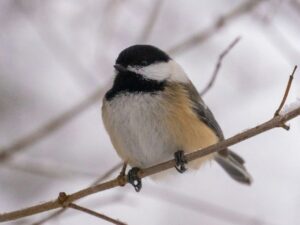
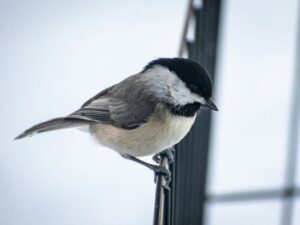
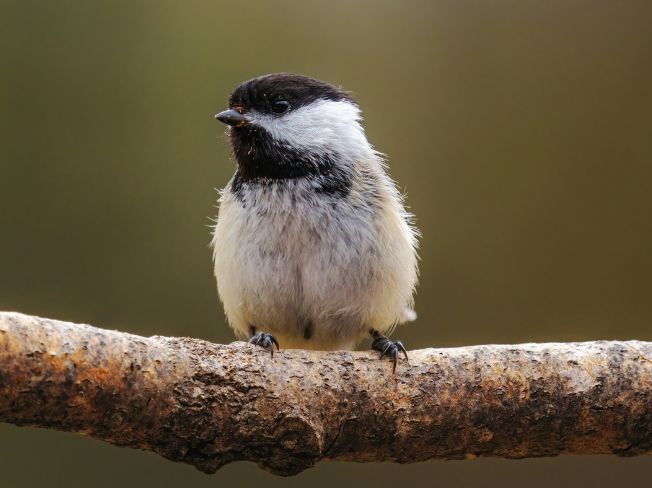
The next morning? Not a squirrel in sight. The birds came back in their usual rhythm: first the chickadees, then a couple nuthatches, and later a downy woodpecker tapping away like he had a job to do. It felt good — simple problem, simple fix, and I could enjoy the quiet again without worrying about climbing contraptions or chasing animals around like I’m still in my twenties.
A Small Story About How One Change Helped My Balance Too
Another time, I moved the feeder a little farther from the porch because I realized I kept twisting my back to watch it. That small turn was bothering me more than I wanted to admit. The cold air stiffens everything, and sharp motions aren’t my friend these days.
After I repositioned it, I found myself settling into my morning routine a whole lot easier. I didn’t even notice the strain until it was gone. Funny how age teaches you to listen to your body in quieter ways.
Why This Matters More to Me Now at My Age
When you get to be 68, your energy comes in different shapes. Some mornings feel strong, others feel a little slower. I don’t push myself like I used to, and I think that’s alright. Life around here — with the long winters, the fog rolling in off Lake Superior, the quiet streets in the early hours — has a way of reminding me to move gently.
Birdwatching suits that rhythm, but wrestling with squirrels doesn’t. I like things that fit into the slower pace I’ve settled into: a feeder I can refill without stretching, a yard setup that doesn’t make me worry about slipping, and simple tricks that don’t involve climbing or gadgets I don’t understand.
The older I get, the more I appreciate solutions that feel natural — just working with what the land and the seasons give me. That’s part of the joy of it all. You learn to share the space with the creatures around you, even the mischievous ones.
A Short List of Friendly Tips for Anyone Starting Fresh
If you’re new to feeding birds or just tired of squirrels taking over, here are a few gentle ideas that might help:
-
Pick a spot for the feeder that’s easy for your body to reach.
-
Keep it far enough from trees so squirrels can’t leap onto it.
-
Try seeds they’re not crazy about.
-
Brush or shovel around the pole in winter to remove ramps of snow.
-
Give the squirrels a decoy snack spot if you feel generous.
-
Never strain yourself reaching, climbing, or stretching. The birds will wait.
These little things add up. They make mornings calmer, safer, and more enjoyable.
A Quiet Reflection to End On
Winter mornings in Duluth have a softness to them. The snow muffles everything — the sound of cars on the street, the hum of the lake, even the chatter of the birds until they warm up a bit. At my age, I find comfort in that quiet. It lets me breathe, take things slow, and appreciate the small lives moving through the trees.
Keeping the feeder for the birds and not the squirrels has made those early hours feel more peaceful. I don’t need anything fancy to do it, just a few simple adjustments that fit the way I live now. And if you’re someone trying to figure out an easy, low-stress way to enjoy your own backyard without the squirrels turning it into a buffet, I’d say start small, move gently, and let the mornings show you what works.
There’s a lot of comfort in watching the birds come and go, especially for folks our age. And with a little patience, the squirrels will learn to mind their own corner of the yard, leaving the feeder — and the quiet moments — for you.