Folks ask me how to keep feeding birds without making their back and knees pay the price. I’m 68, and I’ll tell you straight: the bird feeder refill part can be the deal-breaker if you’re bending too much, carrying too much, or fumbling with tiny latches when your grip isn’t what it used to be. The good news is you don’t need a fancy setup to get easy refills with less bending—you need a smarter routine, a couple of comfort tweaks, and the right kind of feeder for how you actually move.
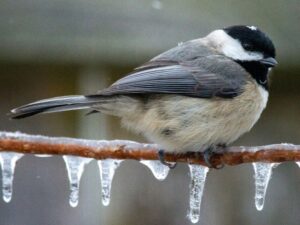
If you’ve got tired legs or cranky knees, the goal isn’t to “tough it out.” The goal is to refill in a way that feels steady and safe, so you’ll keep doing it. When your feeder stays full, you’ll see the regulars—cardinals, chickadees, house finches, maybe a downy woodpecker—and you won’t feel like you just did a set of squats to earn it.
Put the feeder where your body can win
This is the simplest change that makes the biggest difference. If your feeder is mounted in a spot that forces you to bend, twist, or reach overhead, every refill becomes a chore.
A practical target: set the refill point around 48–54 inches off the ground—about waist to belt height for many folks. That lets you stand upright, keep your elbows close, and pour without lifting your shoulders.
Here’s a quick checklist to get it right:
-
Choose a spot you can walk to easily from the driveway, deck, or garage door—no hiking around the yard.
-
Avoid soft ground that turns into ruts; you want stable footing.
-
Keep it visible from a window so you’re not wandering out “just to check.”
-
Leave room to stand squarely in front of the feeder—no leaning over a flower bed or fence.
If you’re dealing with knee pain, that “stand squarely” part matters more than people realize. Your knees hate twisting while you’re loaded up with seed.
Pick a feeder style that’s built for easy refills with less bending
Not all feeders are equal when it comes to refilling. Some are made for birds. Some feel like they were made to test your patience.
Here are common options, compared in plain terms:
1) Hopper feeder (roof lifts or flips open)
-
Refill ease: Usually good
-
Best for: Cardinals, jays, finches
-
Watch out for: Roof hinges that pinch fingers; seed can get damp if the roof doesn’t seal well
2) Tube feeder (twist-off top or flip lid)
-
Refill ease: Depends on lid design
-
Watch out for: Narrow openings that spill; small latches that fight stiff fingers
3) Platform/tray feeder
-
Refill ease: Very easy
-
Best for: Cardinals, juncos, sparrows
-
Watch out for: Messier; attracts squirrels fast; needs more cleaning
4) Suet cage (simple latch)
-
Refill ease: Easy if the latch is big
-
Best for: Woodpeckers, nuthatches
If your priority is “open, pour, close” with minimal fuss, a hopper or wide-mouth tube feeder usually wins. Look for lids you can operate with your whole hand, not just fingertips.
My “wrong try” that taught me a better way
I used to keep a big seed bag in the garage and haul it out every time. That sounds sensible until you realize you’re lifting awkward weight, bending to scoop, and trying not to spill seed all over your shoes. After a week of that, I started dreading refills.
I switched to a simple system: I pre-fill a smaller container and only carry what I’ll use in one trip. It’s not fancy, but it turns refilling into something you can do in two minutes without feeling wrung out afterward.
I still get seed dust on my hands sometimes, and that bugs me.
A simple refill routine that saves your knees and your seed
This routine is built for tired legs and limited bending. You can do it once or twice a week depending on how busy your feeder is.
Step-by-step routine:
-
Store seed in a manageable container
A 2–4 quart plastic pitcher or a dog-food style bin with a pour spout works great. You want something you can grip securely. -
Use a scoop you can hold with a relaxed hand
A wide scoop or even a clean plastic measuring cup works. If your grip is weak, skip the tiny scoops. -
Bring the feeder to you when possible
If it’s a hanging feeder, use a hook you can unclip at chest height, then refill on a flat surface like a deck rail, a small table, or the top of a sturdy bin. -
Refill over a tray or old cookie sheet
This catches spills, so you’re not feeding squirrels on the ground. -
Close it firmly and do a quick shake
Just enough to settle seed and confirm the lid is seated.
If you’re using a pole-mounted feeder, consider a pole system with a quick-release hanger—you lift off the feeder instead of refilling while it’s swinging around.
Comfort upgrades that make refilling feel easier (and safer)
You don’t need to overhaul your yard. A couple of small upgrades can take the strain off your joints.
Pouring and handling upgrades:
-
Funnel with a wide mouth for tube feeders so you’re not trying to aim like a surgeon.
-
A lightweight step stool (one step) if you have a higher hook, so you’re not reaching overhead.
-
Rubberized work gloves for better grip on slick lids and to avoid seed dust irritation.
Setup upgrades:
-
A shepherd’s hook with a stabilizer fork that stops swaying. Less swaying means less spilling and less wrestling the feeder.
-
A small standing mat (like an anti-fatigue mat) placed near your refill spot on the deck. If you refill with sore knees, standing on something forgiving can help.
If your hands get stiff in cool temperatures, keep the feeder hardware simple—big knobs, flip tops, easy latches. Tiny metal clips are a recipe for frustration.
Bird feeder refill tips for avoiding mess and pests
If you want the refill to stay easy, you need to keep the area from turning into a squirrel buffet.
A few realities from US backyards: squirrels are persistent, raccoons are stronger than you think, and spilled seed teaches them where the free lunch is.
Try these practical moves:
-
Use a catch tray under the feeder to reduce ground spill.
-
Choose seed that matches the birds you want.
Black oil sunflower works for lots of birds; mixes with filler grains often end up on the ground. -
Keep feeders 10 feet from a fence or low tree branch if squirrels are launching themselves.
-
Add a baffle on pole-mounted setups. It’s not magic, but it helps.
If you’re spending $15–$30 on seed every couple weeks, reducing spill is basically giving yourself a discount.
Troubleshooting: 5 common problems and quick fixes
Here are the issues I hear about the most, with fixes that don’t require a new hobby.
1) “The seed bridges and stops flowing.”
Fix: Tap the feeder gently and switch to a slightly larger seed size or a feeder with wider ports. Moisture can cause clumping, too—keep seed stored dry.
2) “I spill seed every time I pour.”
Fix: Use a funnel or pour from a container with a spout. Refill over a tray so spills are recoverable.
3) “The lid is hard to open with my grip.”
Fix: Pick feeders with flip-top lids or big knobs. If you already own the feeder, add a simple rubber grip wrap or use gloves for traction.
4) “Squirrels empty it faster than birds.”
Fix: Move the feeder farther from jump-off points and add a baffle. Consider a weight-activated feeder if squirrels are relentless.
5) “The feeder gets gross and I avoid refilling.”
Fix: Choose a day every two weeks to do a quick rinse and dry. A clean feeder refills faster because parts aren’t sticking or gritty.
Why these changes work (even if you’re not trying to be “efficient”)
When you reduce bending, you reduce the part of the job your body fights. When you reduce spilling, you reduce the cleanup you don’t want to do. When the feeder opens and closes easily, you don’t lose time and patience at the worst moment—right when your hands are already busy.
A refill system that’s gentle on your knees has a second benefit: it keeps you consistent. Birds learn patterns. If you keep the feeder reliably topped off, you’ll see repeat visitors and calmer feeding behavior. Cardinals tend to show up like clockwork. Chickadees and nuthatches get bold once they trust the setup. Finches will hang around when the seed stays steady.
And if your tired legs are a real factor, you’re building a routine you can maintain on days when your energy is at half-speed.
Money and time trade-offs: what’s worth paying for
You can spend a lot on bird gear. You don’t have to.
Here’s where I’d put money if the goal is less bending and fewer hassles:
-
A stable pole system with a baffle: typically $40–$120
Worth it if you’re currently bending to refill a low hook or battling squirrels daily. -
A wide-mouth feeder with an easy lid: often $25–$60
Worth it if opening the feeder is the annoying part. -
A good seed container with a pour spout: $10–$25
Worth it for almost everyone, because it reduces awkward lifting.
Where I’d save money: fancy “all-in-one” gadgets that claim to do everything. Most of the time, simple hardware and a good routine beat gimmicks.
Keep it friendly for you first, then the birds
If you take one thing from me, let it be this: the feeder should fit your body. There’s no prize for bending deeper or carrying heavier. When refilling feels manageable, you keep showing up, and the birds keep showing up too.
Start with the easiest win. Raise the feeder to a comfortable height. Switch to a container that pours cleanly. Give yourself a flat, steady spot to stand. Those little shifts add up fast, especially if your knees complain or your grip fades after a few minutes.
Some days you’ll feel strong and you’ll do it all without thinking. Other days you’ll take it slower, and that’s fine. The point is to set it up so the refill isn’t a burden. Once you do, the whole thing becomes what it’s supposed to be: a small, steady pleasure—watching cardinals flash red at the feeder, hearing chickadees fuss and dart in, noticing that downy woodpecker who shows up like he owns the place.
Make it easy on yourself, and you’ll keep the welcome sign out for the birds all year long.