A cold Duluth morning that got me thinking
One December morning here in Duluth, I shuffled out to the back door with my coffee, opened it just a crack, and got a face full of cold air. That lake wind has a way of sneaking between the houses, you know what I mean. The sky was that pale winter blue we get up here, with a little bit of pink hanging over the rooftops. Snow sat in soft piles on the deck, and the rail looked like someone had laid a white scarf over it.
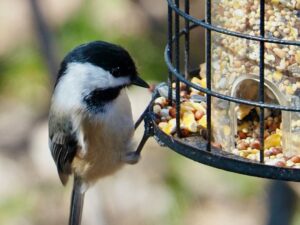
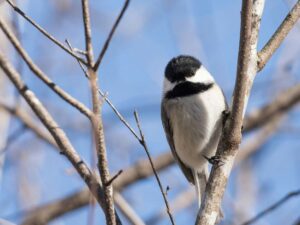
Out by the pine trees at the back of our small yard, I could see a couple of chickadees bouncing around, taking turns on the old feeder I’d hung there years ago. A downy woodpecker landed on the suet cage, gave it a few taps, and then disappeared around the trunk.
It all looked pretty nice, but I felt this small frustration rise up in me. My knees were stiff. The deck steps had a thin glaze of ice. I knew that if I wanted to fill the feeder, I’d have to put on boots, grab the rail, watch my footing, and walk out toward the back fence. That used to be nothing. At 68, on a slick December morning in northern Minnesota, it feels like a small expedition.
I remember thinking, almost out loud, “Why am I walking all the way back there when I spend most of my time right here on the deck?”
That’s when the idea really clicked: I needed a feeder on the deck railing itself, close enough that I could sit in my chair, open the door just a little, lean forward, and refill it without standing all the way up or stepping out onto the ice. My body just doesn’t cooperate like it used to, and I guess I’m finally wise enough not to argue with it too much.
So that morning, watching my breath curl out in front of me and seeing those hardy little winter birds darting around the yard, I decided I was going to figure out a way to bring them closer—right up to the rail—without making my knees and back pay the price.
Why I wanted a feeder I could reach from my chair
As the years pile up, you start to notice the little things that used to be automatic. For me, it shows up in steps and ladders and long stands in the cold. Our deck has just a few steps down to the yard, but when there’s ice, those few steps feel like a pretty serious obstacle.
My main problems were simple:
-
Getting down the steps in winter: Even with salt, the edges can be slick.
-
Standing out in the yard: My lower back starts complaining if I stand in one spot too long.
-
Carrying heavy seed jugs: What used to be a quick trip feels like hauling a full grocery bag up a hill.
But I still love watching the birds. To be honest with you, I probably appreciate them more now than I did when I was younger. My days are slower. The mornings stretch out a bit. There’s time to notice the way a chickadee hangs upside down, or how a nuthatch creeps headfirst down a trunk like it’s breaking a rule.
So the question became: how do I keep enjoying all that without taking a spill on the steps or wrecking my back?
The answer, at least for me, was to bring the action closer—right to the deck rail where I already sit. If I could lean forward from a sturdy chair and fill a feeder, I’d actually keep up with it. No more putting it off because the yard looks too icy or my knees feel a little wobbly that day.
What I tried first and what didn’t work so well
I didn’t get it right on the first try. Like a lot of things in life, this rail feeder idea took a couple of missteps before it settled in.
The first feeder I bought was one of those fancier-looking ones with a narrow clamp. It was supposed to attach to the rail. On the box, it looked like the perfect solution. In real life, it:
-
Wobbled every time I touched it.
-
Had a small seed tray that emptied faster than I expected.
The first time I filled it, I had to stand up, shuffle closer, and hold onto the doorway with one hand while loosening the little knob underneath with the other. Not exactly what I was aiming for. My balance isn’t terrible, but ice and awkward twisting are not a good combination at this age.
On top of that, the feeder drooped a little bit under the weight of the seeds, so I was always afraid the whole thing was going to tip off the rail, land in the snow, and start feeding the neighborhood squirrels instead.
I also made a mistake with the seed. I used a fancy mix with a lot of small bits in it. Looked nice in the bag, but it turned into a mess on the deck. The birds kicked half of it onto the floor, and by the next day, there were little scatterings of seed shells that I had to sweep even though I didn’t feel much like sweeping in the cold.
So, that first attempt got me a little closer to what I wanted, but it didn’t feel safe or simple enough for what my body can handle these days. I needed to rethink a few things.
How I finally set up a rail feeder that actually works for me
After that first try, I sat down at the kitchen table and thought it through. I asked myself a very plain question:
“If I’m going to do this every day, what has to feel easy?”
I came up with a short list:
-
I should be able to reach the feeder from a seated position.
-
The clamp or bracket needs to be sturdy, so I’m not scared of it tipping.
-
The seed tray can’t be too deep or too far out.
-
The whole thing should be easy to lift off and clean without wrestling with it.
Keeping that in mind, I went looking for something simpler—nothing fancy, just a basic tray-style feeder with a wide, flat clamp. I ended up with a small, shallow tray that attaches securely to the top of the deck rail with two screws in the clamp mechanism, so it doesn’t rock as much.
Setting it up in the right spot
Once I had the feeder, I tested a few positions along the rail. I did this part carefully:
-
I sat in my usual deck chair, the one with arms that help me push up if I need to stand.
-
I leaned forward from my seat to see how far I could comfortably reach without straining my back or feeling like I might tip forward.
I learned pretty quickly that dead center in front of my chair was too far. I was bending straight ahead, which pulled on my lower back. When I moved the feeder a little to the side, closer to my stronger arm, I could lean and reach with less strain.
So I settled on a spot just a bit to the right of where I sit. From there, I can:
-
Open the sliding door just a foot or two.
-
Stay seated in my chair.
-
Lean slightly to the right, resting one hand on the arm of the chair for support.
-
Pour seed with my other hand into the tray.
It doesn’t seem like much, but that little side angle keeps me stable. At this age, those details matter.
Choosing the right seed for a deck rail feeder
After the “fancy mix” mess I mentioned, I switched to mostly black oil sunflower seeds. They still make some shells, sure, but:
-
Chickadees, nuthatches, and finches all seem to like them.
-
The tray doesn’t fill up with tiny leftovers nobody wants.
In winter here in Duluth, we see a lot of the cold-hardy regulars: chickadees, nuthatches, downy woodpeckers nearby, sometimes a red-breasted nuthatch dropping by like a little visitor from farther north. Having a simple seed they all appreciate keeps things fuss-free.
What changed once I got it right
The first week with the new setup, I noticed a few things:
-
I wasn’t putting off refilling the feeder anymore. If it looked low, I’d just sit down, lean over, and top it off.
-
The birds started using the deck rail more. Seeing them that close—sometimes just a few feet from my face—felt pretty special.
-
I felt less anxious about slipping on the steps, because I wasn’t going down there as often.
It’s funny how a small change like that can shift your mood. Instead of looking out and thinking, “Ah, I really should go fill that feeder, but my knees ache,” I found myself thinking, “I’ve got a minute; might as well give the birds a little snack.”
That’s a much nicer feeling to carry through a long northern Minnesota winter.
A few easy tips if your body doesn’t love standing like it used to
I’m not a professional anything, just a retired guy who likes to watch birds on a quiet residential street. Still, if someone around my age asked me how to set up a deck rail feeder they could reach without standing all the way up, I’d probably mention a few simple things.
Think about your comfort first
-
Chair before feeder: Pick the chair you actually sit in most. Then place the feeder around that, not the other way around.
-
Test the reach: Sit down, relax, and see how far you can lean safely. If you feel wobbly, move the feeder closer or off to the side.
-
Use the stronger arm: Most of us have one side that feels steadier. Put the feeder where that arm can do most of the work.
Keep the setup sturdy and simple
-
Wide clamp: Look for a feeder with a broad, solid clamp or bracket. Those skinny ones wobble.
-
Shallow tray: A low tray is easier to fill and easier for birds to land on. Less chance of spilling half the seed.
-
Easy to clean: If it’s fussy to detach and wash, you’ll end up putting it off. A simple tray you can lift off and rinse in the sink is worth it.
Pay attention to safety
-
Watch the ice: Even if you don’t plan to step outside, ice near the door can surprise you. I keep a little container of salt by the doorway.
-
Keep the path clear: We push snow away from the rail area so I don’t catch my foot on a hidden drift.
-
Don’t overfill: A lighter seed container is easier to manage. I pour from a small scoop, not a big heavy bag.
These sound like small things, but when your balance isn’t what it used to be, they add up.
How this little feeder fits into my winter days now
These days, my mornings look a lot quieter than they did when I was younger. The sun shows up late, the light creeps in slowly over the houses, and the neighborhood usually stays pretty still until later in the day. You might hear a car starting a few houses over, or the distant scrape of someone shoveling, but that’s about it.
Once I’ve had breakfast and that first cup of coffee, I like to slide open the door just enough to feel the air. Sometimes it carries a sharp, clean smell, almost like the lake itself has walked up the hill to say hello. Sometimes there’s a little fog hanging low, softening the edges of the pine trees in the yard.
I sit in my chair by the deck door and watch the feeder on the rail. The chickadees come in first most days, bold little things. They grab a seed and disappear back to the pine. A nuthatch will climb down the trunk, hop to the rail, and pick through the tray like it’s browsing a menu.
When the sun does make an appearance, it hits the snow on the rail and throws back a bright light that makes the whole backyard glow. On mornings like that, even though the air is cold enough to sting your nose, the scene feels pretty warm in its own way.
At 68, I don’t need much more than that. Being able to stay seated, keep my feet on solid ground, and still take care of the birds feels like a small gift. It’s one of those arrangements that respects where my body is now, without giving up something I love.
If you’re a little older yourself, maybe with creaky knees or a back that complains when you push it, I’d say it’s worth figuring out a setup that lets you enjoy the birds without fighting your own limits. A plain little feeder on the deck rail, close enough to fill from a chair, can make a bigger difference than you might expect.
The winters up here are long. The days are short. But that rail feeder, with a couple of chickadees arguing over sunflower seeds on a cold morning, reminds me I’m still part of the world outside these walls. It connects this older body and this small backyard to the wider life of the neighborhood, to the pines, to the lake not too far away, and to all the small, tough birds doing their best to make it through another northern Minnesota winter—just like the rest of us.