A Winter Morning on the Porch Here in Duluth
The other morning I stepped out onto my little porch here in Duluth with a mug of coffee in my hand. The sky had that pale gray look we get a lot in early winter, and I could feel the cold wind drifting up from Lake Superior, even though I’m a few blocks back from the water. The railing had a thin crust of frost on it, and my breath showed in the air.
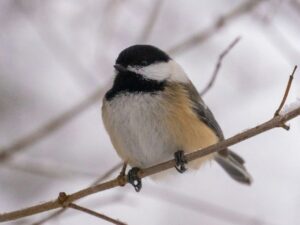
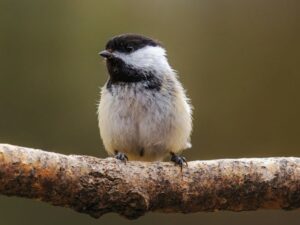
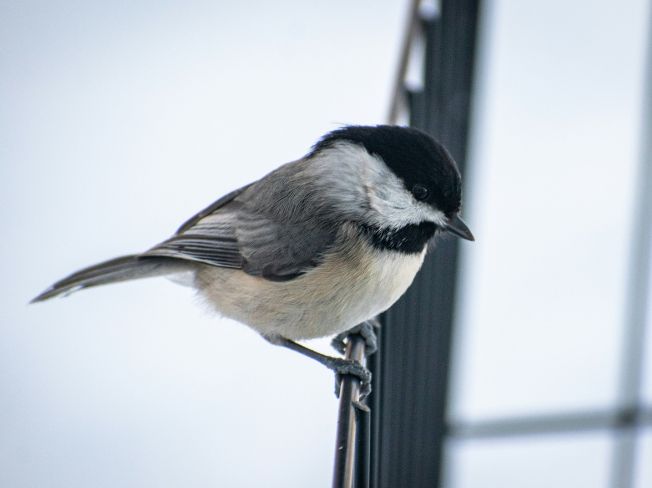
A chickadee landed on the bare lilac bush next to the porch and gave me a scolding. My old feeder had been taken down after a windy spell, and I’d been dragging my feet about putting it back up. I knew I wanted it somewhere I could enjoy the birds from my chair on the porch, close enough that I didn’t have to stand long or strain my neck.
The problem was, my body just doesn’t bounce the way it used to. I don’t like climbing ladders anymore. My knees complain on bad days, and I’m more aware of railings, ice, steps, all the little things I used to ignore when I was younger. I found myself thinking, “There has to be a good way to get a feeder on this railing without doing anything risky,” you know what I mean.
That’s kind of how I got into figuring out safer ways to set things up for myself, so I can keep enjoying the birds without worrying about falling on the ice, leaning too far, or lifting more than I should.
What I Tried First and How It Turned Out
When I first moved into this place, I did what I’d always done: I grabbed an old metal hook, leaned out over the porch a little, and looped it over the outside of the railing. I had the feeder hanging there within a couple of minutes.
At the time I thought, “Well, that was easy. Not bad for an old guy.” But a few things started to bother me:
-
I had to lean over the outer edge of the railing to fill the feeder.
-
On icy mornings, just getting out to it felt like a bit of an adventure I didn’t need.
-
A couple of times the wind off the lake really rocked the feeder, and the hook shifted.
One day in late fall, the boards on the porch were slick with a light freezing drizzle. I walked out, reached toward the feeder, and my foot slipped just a little. I caught myself on the railing, but my heart did that jumpy thing, and I stood there holding on, thinking, “Okay, that’s enough of that.”
Nothing happened, thank goodness, but that was the moment I decided I needed a setup that didn’t ask me to lean or stretch in ways that could end badly. At my age, small mistakes can turn into big problems pretty fast.
A Safer Setup That Works Better for Older Hands and Knees
I didn’t go out and buy a bunch of fancy bird equipment. That’s not really my style. I just started looking at what would let me keep the feeder close, easy to reach, and solidly attached to the porch railing without needing a ladder or balancing act.
Choosing a Good Spot on the Railing
The first thing I did was walk around the porch on a dry day and just look at the railing like it was something new. I asked myself a few questions:
-
Where can I reach comfortably while standing upright, with both feet flat and steady?
-
Where is the railing strongest and least wobbly?
-
Is there a spot where I can step out the door, take just a couple of steps, and be right there?
I ended up picking a section of railing that is only a few feet from the door, where the boards are level and the handrail feels solid. It’s not the most “decorative” spot, but I care more about staying on my feet than impressing anybody.
I also thought about the birds:
-
I tried to keep the feeder a little away from where squirrels can jump from the roof.
-
I made sure it wasn’t right above where I walk, so spilled seeds and droppings wouldn’t be under my shoes all winter.
Hardware That Doesn’t Fight You
After that scare on the icy day, I went looking for something that clamps right onto the railing, so I wouldn’t have to lean over the edge. You can find deck-style hooks that tighten with a knob on the inside of the railing. You stand safely on the porch side, twist the knob, and the whole thing holds tight.
What I like about that style is:
-
You tighten it from the inside of the railing, not leaning out over the drop.
-
You can adjust the height a bit without tools, just by loosening and sliding it.
-
If your hands aren’t as strong as they used to be, the big plastic knobs are easier than little screws.
For me, the right hardware had to pass a simple test:
If I can’t install it while standing straight, in regular shoes, on a dry floor, without a step stool, I’m not interested.
A Simple Step-by-Step Routine
Here’s the little routine I worked out for myself. I stick to it pretty closely, especially when it’s cold or windy.
-
Pick a dry, calm time of day.
I avoid messing with the feeder when the porch boards are icy or when the wind off the lake is really gusty. A quiet mid-morning works best for me in winter, once the light is up and the frost has settled a bit. -
Set things up inside first.
I fill the feeder in the kitchen, over the sink or over a tray, so I’m not juggling bags of seed on the porch. I try not to make it too heavy; if I can feel my shoulders straining, it’s too much. -
Carry only what I can hold comfortably.
I keep the seed in smaller containers instead of big, heavy bags. A plastic scoop or a small coffee can works just fine. -
Check the porch surface and railing.
Before I even touch the feeder, I look down: any ice, packed snow, or wet spots? If it looks slick, I either put down some sand or just wait for a better time. I also put my hand on the railing and give it a slight shake, just to be sure it’s as solid as I remember. -
Attach or adjust the clamp from the inside.
With a clamp-style hanger, I stand on the safe side, tighten the knob at about chest height, and make sure it doesn’t wiggle. I do this slowly, no rush. -
Hang the feeder at a comfortable height.
I try to keep the bottom of the feeder at about chest level. That way I’m not lifting it above my shoulders or bending way down to hook it.
This little routine might sound fussy, but once you get used to it, it just becomes part of the rhythm of the day, like making coffee.
Little Lessons I Picked Up Along the Way
After a couple of winters of doing things the old way, and then some time with a safer setup, I’ve picked up a few simple lessons that might help other folks my age.
A Few Do’s That Help
-
Do keep the feeder close to where you naturally sit.
I keep a chair in the corner of the porch where I can see the feeder without getting up. On cold December mornings, that’s my spot. -
Do think about weight.
A smaller feeder that you can fill more often is better than a big heavy one that strains your shoulders. My hands and joints are happier now that I’m not trying to carry half the bag at once. -
Do wear shoes with good traction.
I have one pair of slip-on shoes I only use for the porch and yard. The soles grip better than my old slippers. Makes a difference when there’s a dusting of snow or some packed ice near the steps. -
Do keep a small broom or brush nearby.
I keep a little hand broom beside the door to sweep away spilled seed and snow from the area where I stand. It’s a simple thing, but it keeps the surface less slippery.
A Few Don’ts That Keep Me Out of Trouble
-
Don’t climb a ladder unless you absolutely must.
I gave up on ladders outside in winter. It just isn’t worth the risk for me anymore. If something really needs a ladder, I either ask for help from one of the younger neighbors or I wait for a dry summer day. -
Don’t lean over the outside edge of the railing.
That’s where my near-slip came from. Even if you think you’re steady, one patch of ice or a gust of wind can catch you off guard. -
Don’t rush.
Birds will be there five minutes later. They’ll be there tomorrow. This stage of life has taught me that taking an extra moment to be careful is time well spent.
How I Made This Work for My Own Backyard
My backyard is small, just a bit of grass and some trees, but it feels pretty peaceful, especially when the neighborhood is quiet. There’s a pine a couple of yards over that seems to shelter a lot of chickadees and nuthatches through our long winters.
Once I had the clamp-on hanger on the porch railing, I started playing around with where exactly to place it. At first I had it right near the corner, almost facing the street. The birds were skittish with cars going by. So one morning, on a calm day, I loosened the knob and slid the hanger a few feet closer to the side of the house, where the birds could approach from the pine tree and not feel so exposed.
That small adjustment made a big difference.
-
The chickadees started coming more often, darting back and forth from the pine to the feeder.
-
A red-breasted nuthatch showed up, creeping down the trunk and hopping over.
-
Once in a while a downy woodpecker stops by, hanging on the feeder in that awkward way they do.
From my chair, I can see all of this without moving much. I just sit there with my coffee, feel the cold air on my face, and listen to the sounds: the distant hum of a car, the faint rush from Lake Superior when the wind is up, and the little calls and wings fluttering near the porch.
That’s one of the nice things about getting older, I guess. I don’t feel like I have to go racing off to some big park to see every rare bird. My small porch, a safe feeder setup, and a few regular visitors are enough for me most days.
Adjusting for Duluth’s Changing Seasons
Living up here, you get used to the seasons running the show. In late spring, when the snow finally pulls back and the days start to stretch out, I sometimes loosen the clamp and turn the feeder slightly so I can see more of the yard and the new green.
In summer, on those bright mornings when the sun comes up early and the air feels pretty nice, I don’t worry as much about ice or wind. Still, I keep the same habits: no leaning over, no heavy lifting, no ladders. Summer can lull you into thinking you’re steady as you were at 30, and then one bad step reminds you.
By fall, when the leaves start to turn and evenings get cooler, I’m thinking again about traction and shorter days. The feeder stays in the same safe spot, so I can still tend it even when we get that first early snow. I don’t wait until the porch is a skating rink to figure things out anymore.
All those small adjustments, season by season, add up to a setup that feels like it’s working with my body instead of against it.
Why Taking the Safe Route Matters More to Me Now
When I was younger, I didn’t pay much attention to this kind of thing. I’d carry heavy bags, climb ladders, stretch out over edges without a second thought. If I slipped or bumped into something, I’d laugh it off.
These days, I know better. A fall on frozen boards could mean months of trouble. My balance isn’t what it used to be, and my joints complain faster. So when I look at that feeder on the porch railing now, I see more than just a place for birds to eat. I see a small piece of my life set up so I can keep doing what I love, in a way that respects where my body is at.
It’s a quiet kind of satisfaction.
Most days, I sit there in my jacket, maybe with a knit hat on, watching the birds come and go. The light in winter is softer, and the days are short, but there’s something very comforting about knowing that, with a few simple choices, I’ve made it easier and safer to enjoy this little hobby.
If you’re around my age, or you just feel your balance and strength aren’t quite what they used to be, you might find it’s worth taking a slow look at your own porch railing, your steps, your shoes, all of it. Think about where you can stand comfortably, how high you want to lift the feeder, and what kind of hanger lets you stay on the inside of the railing.
Set things up so you don’t have to be brave every time you feed the birds.
There’s a lot of comfort in knowing you can step out, even on a chilly Duluth morning, stand in a safe spot, and watch chickadees, nuthatches, and juncos go about their business. At this stage of life, that simple, steady pleasure means a lot.
If you take your time and give yourself permission to do it the easy, safe way, you might find that your porch, your railing, and your feeder can become one of the nicest parts of your day, too.