Folks ask me, “How do I tell what’s in my yard when my hands won’t hold steady for long?”
If that’s you, you’re in the right place. When you’re trying to decide whether that flash of movement was a robin or a blue jay, the goal isn’t perfect bird-nerd identification. The goal is easy spotting without shaky hands—quick cues you can trust from a window, by the fence, or standing on the driveway for a minute or two before your legs get tired.
I’m 68, and I’ve learned to stop fighting my body and start setting up my eyes. With a few simple habits—plus a couple comfort upgrades that cost less than a big pair of binoculars—you can confidently call “robin” or “jay” most days without squinting yourself into a headache.
The fast “don’t overthink it” checklist
If you only remember one thing, remember this: robins look grounded and busy; blue jays look bold and loud. Here are the quickest cues that work even when your grip isn’t great.
-
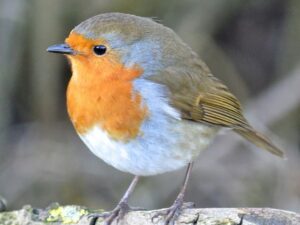
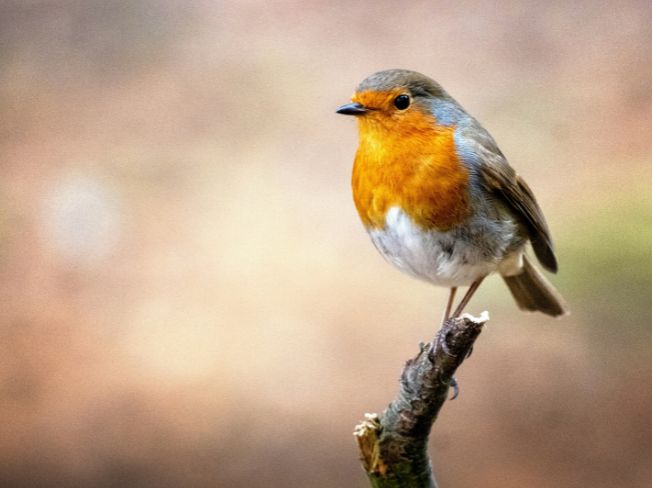
Color block: Robin = warm rusty chest on a gray-brown body. Blue jay = bright blue and white with black markings.
-
Where it hangs out: Robin = lawn, driveway edge, open ground. Blue jay = trees, tall shrubs, feeder area.
-
Movement style: Robin = hop-stop, then a quick tug at the ground. Blue jay = strong hops, sharper turns, more “commanding.”
-
Sound: Robin = clear, musical phrases. Blue jay = loud “jay! jay!” and squeaky, bossy calls.
-
Size vibe: Both are medium birds, but a blue jay often looks broader and more “built.”
That’s enough for most sightings. If you want extra confidence, keep reading—because the best trick is making the bird come to you in a predictable way.
Robin vs blue jay: what to look for when your hands shake
When your hands aren’t steady, tiny field marks (like feather edging) can feel impossible. So I use big-picture markers—shape, posture, behavior, and location.
Robin: the “ground worker”
-
Body shape: Smooth, roundish chest, not much crest or sharp angles.
-
Posture: Often leans forward like it’s focused on a task.
-
Behavior: Pauses, tilts head, then goes after worms or insects. They love open grass.
Blue jay: the “neighborhood sheriff”
-
Body shape: Chunkier with a little crest that can pop up.
-
Posture: Upright and alert, like it’s checking everything.
-
Behavior: Shows up with purpose, grabs and goes, chases smaller birds, complains loudly.
A lot of folks try to “zoom in” on details. With shaky hands, it’s better to zoom out and let behavior do the work.
My easiest setup for spotting without shaky hands
This is my “lazy-proof” routine. It’s built for tired legs and cranky knees, and it doesn’t require standing outside long.
-
Pick one viewing station: A window where you can rest your forearms on the sill (that support matters).
-
Mark two zones:
-
Ground zone: a 6–8 foot patch of lawn or open dirt.
-
Tree/shrub zone: the nearest branch line or feeder spot.
-
-
Add one “attention magnet”:
-
For robins: keep the ground zone open and uncluttered. (They’re not big on tight feeder crowds.)
-
For blue jays: offer peanuts (more on that below).
-
-
Use a no-grip aid:
-
A $25–$60 window-mounted bird feeder, or
-
A simple phone clamp/tripod you can leave set up.
-
If you can rest your arms, your image steadies immediately. I’ve got days where I can only stand about 7 minutes before my knees complain, so I treat spotting like a quick check-in, not a long outing.
The wrong try I used to do (and why it didn’t work)
I used to grab binoculars the second I saw movement. Bad plan. By the time I raised them, found the bird, and tried to focus, it was gone—and my hands were wobbling more from rushing.
What worked better: watch first, then confirm.
I let my eyes catch the “story” for 3–5 seconds—where it is, how it moves—then I use a steadier tool if I still need it.
I changed my mind halfway through and bought the cheaper tripod.
Food and feeder choices: what pulls in each bird
If you want easier identification, give each bird a reason to show up in its “typical” way.
If you want more blue jays
-
Jays can handle bigger pieces and aren’t shy about it.
-
Expect squirrels. You’ll need a plan (below).
If you want more robins
Robins don’t rely on seed feeders much. They’re more likely to:
-
Hunt bugs in the lawn
-
Visit for a birdbath
-
Grab fruit (like chopped grapes) if you offer it low and open
A simple birdbath can bring in robins, plus cardinals, chickadees, and sometimes a curious catbird—without needing you to hold anything.
Troubleshooting: 5 common problems and simple fixes
1) “I only see a blur, and it’s gone.”
Fix: Stop chasing the bird with your eyes. Pick a landing zone (feeder, bath, fence line) and watch that spot. Birds return to the same places.
2) “Everything looks the same through the window glare.”
Fix: Turn off the indoor light nearest the window, or step a foot back. Even better, hang a dark towel over the chair back behind you to cut reflections.
3) “My hands shake too much for binoculars.”
Fix: Use a monocular with a wrist strap and brace it on the window frame, or skip magnification and rely on behavior cues. If you do use binoculars, choose 8x (not 10x). Less magnification is steadier.
4) “Blue jays show up, then all the little birds disappear.”
Fix: Add two feeding stations: one for jays (peanuts) and one for smaller birds (sunflower chips in a tube feeder). Spacing them 12–15 feet apart helps.
5) “Squirrels and raccoons are running the whole operation.”
Fix:
-
Squirrels: use a baffle on the pole, or place feeders at least 8 feet from the fence.
-
Raccoons: bring feeders in at night if you can, or switch to window feeders you remove in the evening.
That last one is just backyard reality in most places.
Comfort upgrades that make a bigger difference than “better eyes”
You don’t need fancy gear. You need stability and less strain.
Low-cost (worth it)
-
Chair with arms near your viewing window: arm support = steady view.
-
Cushion or rolled towel under your forearms on the sill: takes pressure off wrists.
-
Phone tripod/clamp ($15–$40): record a short clip and pause it later to confirm.
Mid-range (nice if you use it often)
-
Window feeder ($25–$60): pulls birds closer so you don’t need as much magnification.
-
Simple birdbath ($30–$90): attracts robins and a bunch of other common backyard birds.
Higher-cost (only if you truly want it)
-
Stabilized binoculars: great, but pricey. If your main goal is easy spotting, the setup changes above often do more.
If your grip gets tired fast, aim for tools you can rest or leave set up. Less holding, more looking.
Time and money trade-offs: what’s “enough” for daily enjoyment?
Here’s the practical way I think about it:
-
$0–$20: You can do a lot with a better viewing position and a simple routine.
-
$25–$60: Window feeder is the sweet spot for easy, close looks.
-
$60–$120: Add a birdbath and you’ll get more variety—robins, cardinals, sometimes a woodpecker on the fence line.
-
Ongoing time: 5 minutes to refill, 2 minutes to rinse a bath every few days.
If you’re conserving energy, pick one upgrade that reduces effort. A window feeder near eye level means fewer trips to the garage, less bending, and fewer moments of “where did it go?”
Why this approach works (even on shaky days)
When you’re dealing with shaky hands or tired legs, your brain wants to solve the problem by “trying harder.” Birding gets easier when you make the bird predictable instead.
Robins and blue jays are different in the ways that matter most for quick spotting:
-
Blue jays behave like bold visitors, using trees and feeders, making noise, and acting like they own the place.
Once you set up two zones—ground and tree—you’re basically sorting them by where they prefer to operate. Then you use one or two big cues (color block + behavior), and you’re done.
A calm way to finish your next sighting
Next time you notice a bird nearby, don’t grab anything right away. Give yourself ten seconds.
Look at where it is first. Ground or up in the branches?
Then watch how it moves. Busy and focused on the lawn, or bold and bouncing around the feeder area?
If you need one last confirmation, listen. Jays usually announce themselves. Robins tend to sound more musical and less bossy.
If your legs get tired quickly, keep it short and successful. One clean ID is better than five rushed guesses. Over time, you’ll start recognizing them the way you recognize neighbors by the way they walk—no zoom required.
And if all you get is a glimpse, that still counts. The point is building a small daily habit that feels good, not passing a test. You’ll be surprised how fast “Was that a robin or a blue jay?” turns into “Yep, I know that one,” even on the days your hands won’t cooperate.