This morning I stood at my back door in Duluth with my coffee warming my hands, and I just watched the world for a minute before I stepped outside. The porch boards had that winter creak to them, and the air had that clean bite you get when the wind comes off Lake Superior. I could hear a little scratching sound out by the feeder—like someone tapping a pencil—and there was a downy woodpecker hanging on the suet cage like he owned the place.
I didn’t do anything fancy. I just watched.
And that’s kind of the point for me these days. I’m 68 now, retired, and I don’t have the same get-up-and-go I used to. Some mornings I’ve got plenty of pep, and some mornings my body tells me, “Let’s keep it simple, Jeremy.” I think a lot of folks my age know what I mean. You still want the fresh air and the little joys, you just want them in a way that doesn’t drain the tank.
This time of year helps you slow down whether you want to or not. In mid-December here, it gets light late and it’s dark again before you’ve had much of an afternoon. Sunrise runs close to eight, and by around 4:30 it’s already heading toward dusk. So I’ve learned to take my quiet moments when they show up—especially on those days when my energy feels a little limited.
A December Morning in Duluth That Got Me Thinking About This
Winter in Duluth has a way of making everything feel smaller and quieter. The snow piles up along the edges of the driveway. The neighborhood streets go from busy to kind of hushed. Even the pine trees seem to stand a little stiller. Some mornings the sky is just one big gray lid, and the light doesn’t really “arrive” so much as it sort of seeps in.
I used to fight that. Years back, I’d tell myself I should be out there early, walking more, doing more, checking things off a list. Now I’m more likely to sit down first.
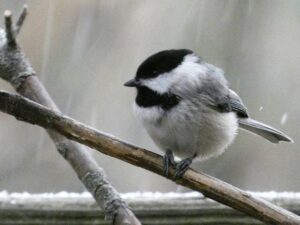
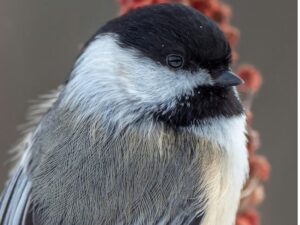
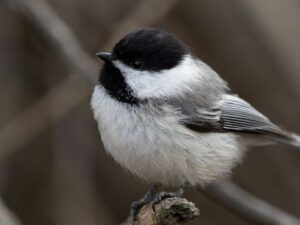
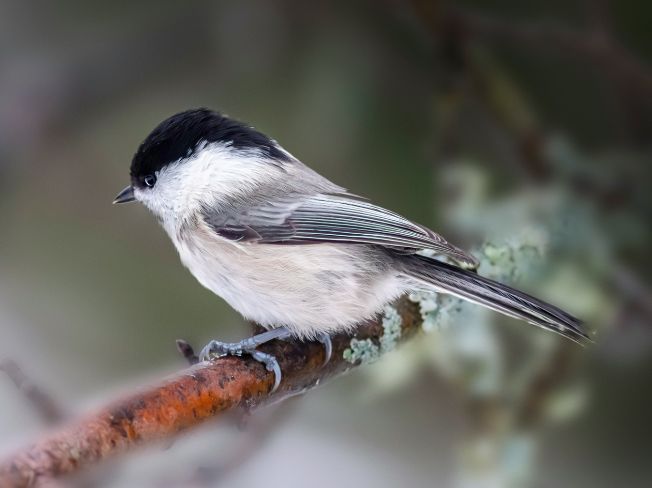
I’ll crack the blinds a couple inches and see who’s around. Usually it’s the regular winter crew—black-capped chickadees bouncing in quick like they’re late for something, nuthatches scooting down the trunk headfirst, a blue jay yelling like a cranky neighbor, and that downy woodpecker doing his steady, patient work. Every once in a while you’ll get a surprise visitor—one of those days where a different finch shows up and you think, “Well, look at you.”
What I’ve noticed is that the quieter I am, the more I see. Not because I’m some wise guy, just because I’m finally giving it time.
What I Tried First and How It Turned Out
When I first got into watching birds more seriously—“seriously” for me, anyway—I thought I needed to do a whole production.
I bought a feeder that looked like it belonged in a catalog. I put it way out in the yard because I figured birds wanted space. Then I’d stand at the window like a guard, waiting for something to happen. Half the time, nothing happened. Or something would show up and I’d miss it because I went to rinse my mug.
I also made the classic mistake of putting things where I thought they looked nice instead of where they worked best. I had the feeder hung kind of low, close to where snow drifts off the roof. That didn’t take long to backfire. First good wind, the seed got wet. Then it froze. Then I had a feeder full of what looked like a birdseed brick.
I remember standing out there with gloves on, trying to knock it loose, thinking, “Well this is dumb.” Not angry, just amused at myself.
That was one of the moments I started shifting toward a simpler way of doing it—one that fits an older body and a slower day.
The Small Change I Made That Helped the Most
One afternoon, after I’d gotten tired of fussing with that frozen seed mess, I moved the feeder. Not far—just closer to the porch and a little more sheltered from the worst wind.
I also adjusted the height so it wasn’t buried by every snowfall. I didn’t measure with a tape or anything. I just thought: Can I reach it easily without stretching? Can the birds get to it without fighting the weather?
What I changed
-
I moved the feeder closer to where I sit. Not right against the house, just close enough that I can see it clearly from a chair.
-
I put suet where it’s easy to spot. Woodpeckers love it, and when they show up, other birds often follow.
-
I picked one main seed and stuck with it. Black oil sunflower is a favorite around here, and it doesn’t turn into as much of a mess as some mixes.
-
I made one “winter path.” Just a small shoveled strip from the door to the feeder area so I’m not wading through snow when I’m low on energy.
The result was immediate, and it kind of surprised me. Not in a dramatic way—just in that steady, comforting way. More visits. More variety. And the biggest thing: I was actually there to enjoy it.
Instead of thinking of it as a chore, it became a little daily rhythm. Coffee. Chair. Look out. Maybe step onto the porch for a minute if the wind isn’t too sharp.
And you know what? My mood improved. I didn’t expect that from moving a feeder ten feet, but there it was. A small change that made the day feel friendlier.
Little Lessons I Picked Up Along the Way
I’m not a scientist. I’m not a bird expert. I’m just a guy in a small yard in northern Minnesota who’s learned a few things by trial and error—and by being wrong plenty of times.
Here are a handful of lessons that have helped me keep it peaceful and manageable, especially on lower-energy days.
Keep it easy on your body first
If something is hard to refill, hard to reach, or hard to maintain in winter, it won’t last.
-
Choose feeders you can open with gloves on.
-
Keep the setup close enough that you don’t have to trek across the yard.
-
Use a small bucket or container for seed so you’re not wrestling a giant bag.
Put your best viewing spot where you’ll actually use it
I used to think birdwatching meant standing at the window. That’s tough on the back after a while.
Now I’ve got a chair by the window where the light is decent. Sometimes I’ll sit with a blanket over my legs and just watch for ten minutes. That counts. Ten minutes of calm is still calm.
Let winter birds do winter bird things
In December, birds aren’t out there trying to look pretty for anybody. They’re working. Eating. Moving fast. Staying alive.
Chickadees will come in quick, grab a seed, and zip off. Nuthatches will look like they’re in a hurry. Woodpeckers will act like they’ve got a job to do. I’ve found that if you accept that pace, it’s easier to enjoy it. You’re not waiting for a “show.” You’re just noticing life doing what it does.
A Simple Routine for Days When Energy Is Low
Some days I feel strong and I’ll walk over to a nearby park—one of those quiet Duluth parks with pines and a trail that crunches under your boots. Other days, I’m honest with myself and I keep it close to home.
On those low-energy days, here’s what works for me:
-
Look out first before you go out. If the wind is roaring and nothing’s moving, I stay inside and enjoy the view from there.
-
Dress for five minutes, not fifty. Hat, mittens, warm boots—just enough so stepping out doesn’t feel like a whole expedition.
-
Bring the coffee or tea with you. A thermos on the porch feels like a little luxury.
-
Set a short “good enough” time. Ten minutes. Fifteen. If I feel good, I stay longer. If I don’t, I head back in without feeling like I failed.
That last part matters more than people admit. When you’re retired and your pace has changed, you don’t need to turn every nice thing into a task you can’t keep up with.
Binoculars, Gear, and Not Making It a Big Deal
I’ll tell you something: I went through a phase where I thought I needed better gear to enjoy any of this. I bought a pair of binoculars that were too heavy for me. They worked fine, but after a few minutes my arms got tired, and then I’d stop using them altogether.
So I learned the obvious lesson the hard way: the best gear is what you’ll actually use.
These days, if I use binoculars at all, I keep it simple:
-
Light ones I can hold without strain
-
A strap that doesn’t dig into my neck
-
Quick looks, not long stares
Half the time, I don’t use binoculars at all. I watch behavior instead. The hop of a chickadee. The way a nuthatch spirals down the trunk. The small puffed-up shape of a bird trying to stay warm. That kind of noticing feels better to me than chasing perfect detail.
Why These Quiet Moments Matter More to Me Now
When I was younger, I had a lot of noise in my life. Work noise. Busy noise. The kind of noise you don’t even notice until it’s gone.
Now I notice the quiet. I notice the soft hiss of wind through the pines. I notice the way the lake can make the air feel colder even when the thermometer doesn’t look that bad. I notice how winter light in Duluth has this pale, silvery look—like the sun is doing its best but not trying to show off.
And I notice that these small yard moments—watching birds, listening to the morning, seeing tracks in the snow—make my days feel grounded. Not exciting, exactly. Just steady. Pretty nice, if I’m being honest.
There’s a comfort in that when you’re older. Your world might get smaller in some ways, but it can get richer in other ways. You stop needing big entertainment. You start appreciating small signs that life is still busy out there, even in the cold.
A Quiet Closing Thought From My Porch
By the time I finished my coffee this morning, the light had finally started to look like daylight. The feeder was active again—chickadees popping in and out, the woodpecker still working the suet like he had a schedule to keep. The wind off Lake Superior had that sharp edge, so I didn’t stay outside long. I just stood there a bit, breathing in that cold, clean air, and then I went back in.
That’s how it goes for me now. Short moments. Gentle moments. The kind you can fit into a day even when your body isn’t asking for much.
If you’re retired, and your energy isn’t what it used to be, I guess I’d say this: you don’t have to do a lot to feel connected to the natural world. You can set things up so the good parts come to you—right there by the window, right there on the porch, right there in your own small yard.
And on a winter morning in Duluth, when the day is short and the cold is honest, those little quiet moments can feel like more than enough.