A Cold Morning Here in Duluth That Got Me Thinking
One morning not too long ago, I stepped out onto the small back porch behind my place here in Duluth with a mug of coffee in my hand. The sky had that pale gray color we get a lot in late winter, before the real warmth shows up. There was still a crust of old snow in the shady part of the yard, and I could feel that sharp, damp cold coming off Lake Superior, even though I can’t see the water from my house. You just know it’s out there by the way the wind feels on your face.
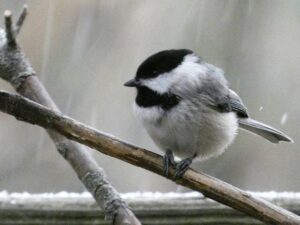
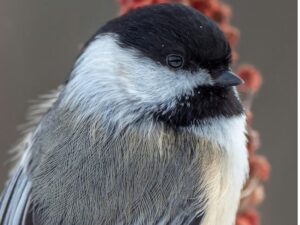
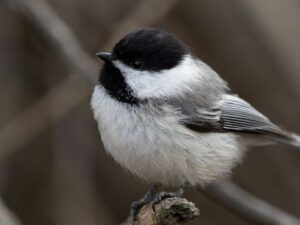
I stood there for a minute, watching the bare branches of the maple tree shake a little in the breeze. My old plastic feeder was hanging from one of the limbs, and a couple of chickadees were taking turns grabbing seeds and flitting back into the pine tree by the fence. It was a pretty nice scene, quiet and simple, the kind of thing that used to be just background noise when I was younger and rushing out the door to work.
These days, I notice it more. I also notice my back more.
I don’t stand as easily as I used to. My knees get stiff if I’m out there too long, and my lower back starts sending these little warning signals. That morning, I remember shifting my weight from one foot to the other, then leaning on the railing, and then finally thinking, “All right, Jeremy, this isn’t working.” I wanted to stay, to watch who else might come to the feeder, but my body was kind of done with the idea of standing around in the cold.
That’s when it really sank in for me: I love watching the birds in my backyard, but I just can’t spend long stretches of time on my feet anymore. I guess a lot of folks my age are in that same boat. We still enjoy the simple things—maybe more than ever—but our bodies have their own timetable, you know what I mean.
So I started asking myself a simple question: How do I keep enjoying this little backyard show without putting my back and legs through a workout they didn’t sign up for?
What I’ve figured out since then hasn’t been fancy or high-tech. It’s just been a slow collection of small adjustments, a little trial and error, and paying attention to what actually feels good.
That’s what I’d like to share here.
Slowing Down and Letting the Birds Come to Me
I used to think birdwatching meant being out there, moving around, walking up and down the yard, maybe even heading over to one of the neighborhood parks, like the small one not far from my street with the tall pine trees and the worn path around the edge. I’d walk a bit, stop, look up, walk some more. That’s a nice way to do it if your legs are willing.
But as the years have gone by, my pace has slowed way down. I notice myself planning around how much standing is involved. I sit down sooner. I lean more. I don’t push through the discomfort like I did in my forties.
The biggest mental shift for me came when I realized I didn’t need to go to the birds as much as I used to. I could make them come to me. Sounds funny when I say it out loud, but it’s true.
So I started thinking of my backyard as a little stage, and my job wasn’t to run around chasing the actors, but to set things up so they’d feel comfortable showing up while I sat in a good seat.
Here are a few things I did to make that happen:
-
I moved the feeder closer to the porch so I could see it well while sitting.
-
I added a second feeder at a height that matched where my eyes naturally land when I’m in my favorite chair.
-
I put out some water in warm months, just a simple birdbath bowl on a stand, which seems to draw more visitors.
-
I kept the setup fairly close to the house so I could also watch from inside on very cold days.
It felt a little odd at first, rearranging things to match where my chair was, instead of just putting feeders wherever they “should” go. But once I saw how much easier it made the whole routine, I kind of wondered why I didn’t do it sooner.
What I Tried First and How It Turned Out
When my legs started giving me trouble, my first thought was, “I’ll just tough it out.” That’s an old habit from another time in life. I’d go outside, stand by the feeder, tell myself I’d just stay for five minutes, and then end up staying twice as long because a woodpecker showed up or a new bird call caught my ear.
Then I’d pay for it later in the day. My back would stiffen up, my knees would complain, and I’d end up in my recliner feeling more worn out than I should from something as gentle as backyard birdwatching.
So I decided to experiment a little.
Finding the Right Chair
The first thing I tried was bringing out an old folding lawn chair from the garage. You know the kind—metal frame, webbing that’s seen better days. I set it out on the porch so I could sit and still see the feeder.
It helped, no doubt about that. Just having a place to sit changed the whole experience. Instead of fidgeting and shifting from foot to foot, I could sit back, hold my coffee, and stay out there a little longer.
But that chair wasn’t very comfortable. The seat sagged, and the back was too straight. After a while my hips would ache. So I tried a different one: an old cushioned patio chair I had half forgotten about.
That one was better. The cushion gave me a little extra support, and the higher back let me lean and look up into the branches without straining my neck. I still tuck a small pillow behind my lower back on days when things feel a bit stiff.
Here’s what I learned from all that:
-
A chair with some cushioning is worth it.
-
A solid back that supports you is more important than a fancy design.
-
The right height matters; I want my feet flat on the floor, not dangling.
-
Arms on the chair help a lot when it’s time to stand up.
These might sound like small details, but when you’re trying to sit outside for a while, they make a big difference. After you turn sixty, you start noticing every little pressure point a chair has.
Adjusting the Feeder Instead of My Body
At first, I kept the feeder where it had always been: a branch that looked “just right” in the middle of the yard. That meant I had to twist around to see it clearly from the porch. My back didn’t like that one bit.
One afternoon, after yet another session of leaning sideways, I thought, “Why not move the thing?” So I did. I took the feeder down and hung it on a hook attached to a pole closer to the porch, at a spot I could see straight on from my chair.
The result was kind of immediate. Suddenly I didn’t have to lean or crane my neck. I could just sit there, face forward, and the birds were right in my line of sight. Kind of like moving the TV so you don’t have to watch it with your head turned all the time.
For my body, that one simple change meant:
-
Less twisting at the waist.
-
Less strain on my neck.
-
More time I could comfortably stay outside.
The birds adjusted just fine. They didn’t seem to mind the new location. If anything, the chickadees and nuthatches showed up even more because I started refilling it more regularly, since it was easier to reach.
Little Lessons I Picked Up Along the Way
As I played around with different setups—the chair, the feeder, where I put my coffee, even which direction I faced—I started to notice a few simple lessons. These aren’t rules or anything, just what’s helped me keep enjoying my backyard without spending all my energy on standing.
Make Comfort the First Priority
When I was younger, I’d put up with a lot of discomfort if I was interested in something. Long hikes, standing at events, leaning against trees while watching birds in the park. My body doesn’t bounce back from that the way it used to.
These days, I start by asking, “How can I make this easy on myself?”
That’s not laziness. That’s just being honest about the years I’ve got on me.
For birdwatching at home, comfort for me means:
-
A solid, supportive chair.
-
A small table or ledge for my coffee or tea.
-
A lightweight blanket over my legs on chilly mornings.
-
A hat and maybe a light jacket when the wind off Lake Superior is biting, even in spring.
When I’m comfortable, I can sit longer, relax my shoulders, and actually pay attention to the birds instead of thinking about my aching knees.
Bring the Birds Closer Instead of Working Harder to See Them
I used to peer across the yard, squinting to try and figure out what bird was hopping in the far corner by the fence. That got tiring, not just for my eyes but for my whole body, leaning forward and straining to see.
Now, I just let myself off the hook and bring things in a little tighter.
I moved one feeder so it hangs just a bit below eye level when I’m sitting. I set another seed tray on a stand that’s closer to the porch steps. I even tucked a small bowl of seed on the railing itself for the bravest visitors.
Bringing the action closer has helped me:
-
Avoid standing up all the time just to see better.
-
Cut down on the heavy feeling in my neck from leaning forward.
-
Notice more details in how the birds move and behave.
I still enjoy watching birds in the neighborhood park, especially in the warmer months, but I treat that as a shorter walk with a bench break, not a long expedition.
Accepting That Some Days Are “Window Days”
One of the more humbling lessons for me has been admitting that some days, the porch just isn’t a good idea. Maybe my back’s already sore from something else. Maybe the sidewalks are covered in ice and it’s just too risky to slip on the steps.
On those days, I birdwatch from inside.
I’ve learned to set up a comfortable chair by the window that faces the backyard. I keep a pair of light binoculars on the windowsill, and I pay a little more attention to keeping that glass clean so I can see better.
It’s not quite the same as feeling the air on my face and hearing the wind in the trees, but it’s still good. I can still see the chickadees puff up in the cold, still catch the red of a cardinal if I’m lucky, still watch a blue jay swoop in and scatter everybody else for a moment.
Some mornings, to be honest with you, a “window day” is just what I need: warm hands, a comfortable seat, and the show still playing out in the yard.
Making My Backyard Work for My Body, Not the Other Way Around
At some point, I stopped trying to squeeze myself into my old idea of how birdwatching should look. I started shaping my little routine around the body I have right now.
Here’s how I built a setup that works for me.
A Simple Seating Corner
On the porch, I made myself a kind of “birdwatching corner.” It’s nothing fancy, just practical.
I’ve got:
-
One sturdy cushioned chair with arms.
-
A small side table I picked up at a garage sale.
-
A thin pillow for my lower back.
-
A fleece blanket folded over the chair for chilly mornings.
The chair faces the yard at a slight angle, so I can see both the main feeder and the pine tree that a lot of birds use as a landing spot before they hop over for seed. I don’t have to twist around constantly, which my back appreciates.
On especially cold days when the wind comes in sharp off the lake, I’ll throw on a heavier jacket and pull the blanket up around my legs. The air can be brisk—sometimes more than “a little bit”—but there’s something nice about being bundled up and hearing the quiet crunch of ice on the roofs around the neighborhood.
Feeders Placed for Easy Watching
I ended up with a few different spots for food, all chosen with my comfort in mind:
-
Main Feeder on a Pole:
This one stands in the middle of the yard but closer to the porch than it used to be. The pole is tall enough that I don’t have to bend way down to refill it, which used to bother my back. -
Hanging Feeder Near the Porch:
This one hangs from a simple hook near the edge of the porch. When I sit in my chair, it’s almost directly in front of me. Birds come in closer, and I don’t have to move much to see them well. -
Tray Feeder on a Stand:
This is like a little table with a shallow dish. I keep it near a low pine, and I can see it by just turning my head a bit, not my whole body.
By spreading things out just enough, I get variety without needing to wander all over the yard.
A Small Change That Made a Big Difference in My Day
One specific change stands out to me when I think about how I’ve adjusted things.
For a while, I only went out later in the morning, after I’d had breakfast and read a bit. By then, my back sometimes already felt a little worn from simple chores—making the bed, tidying up, standing at the counter.
One day, I thought, “Why not flip it?” So I started going out earlier, almost right after I got up, just grabbing my coffee and heading straight for the porch chair. No big tasks first, no bending or lifting before I sat down.
The difference surprised me.
My body wasn’t tired yet, so sitting felt better. I could stay out a bit longer without feeling stiff. My attention was sharper, too. The light was softer, and the yard was quiet except for the birds and the occasional car on the next street over.
Doing it that way changed the tone of my mornings. Instead of pushing myself and earning my “rest” later, I gave myself the peaceful part first. It’s a small shift, but at my age, small shifts can mean a lot.
Emotionally, it did something for me, too:
-
I felt less rushed.
-
I started the day with something I genuinely enjoy.
-
I felt more patient with myself the rest of the day, since I’d already done something gentle and good for my mind.
It might sound like a small thing—moving birdwatching to earlier in the day—but for me, it was like giving the best seat at the show to the calmer, less achy version of myself.
A Few Practical Ideas for Folks Who Can’t Stand Long
I’m no expert, just a guy who’s tried a bunch of different ways to enjoy a small backyard without pushing his body too far. But if someone my age, or maybe older, asked me what helps, here’s what I’d tell them in plain language.
Keep It Close and Simple
If your legs or back complain when you stand too long, you might want to:
-
Move feeders closer to where you sit. Don’t be shy about it. Put them where you can see them easily.
-
Use a pole or hook that’s easy to reach. Bending and stretching can catch up with you.
-
Think about the view from your favorite chair. Arrange things so the most interesting activity happens where your eyes naturally rest.
Choose a Good Seat Like You’re Going to a Long Movie
If you’re going to sit outside for more than a few minutes, a decent chair really matters:
-
Look for arms to push off from when you stand.
-
Add a cushion or pillow for your lower back.
-
Make sure your feet can rest flat on the porch or ground.
-
Keep a blanket nearby; being a little warmer makes it easier to relax.
Don’t Forget the “Window Option”
There’s no shame in birdwatching from indoors. Some days, it’s the smartest call.
You can:
-
Set up a chair by a window that faces your yard.
-
Keep light binoculars handy if your eyes need a little help.
-
Make sure the glass is clean enough that you don’t have to squint.
You’re still seeing the same birds, the same flutter of wings, the same quick hops along the branches. You’re just being kind to your body.
Let Your Routine Match Your Energy
Some days, you might have enough energy for a short walk to a nearby park with tall pines and a quiet path. Other days, you might feel like the porch is the limit.
Either way is fine.
You might:
-
Save park walks for days when you feel strong.
-
Use the porch or window on days when your joints are acting up.
-
Shorten the time outside instead of cancelling it altogether.
Birds don’t keep a strict schedule. They come and go. You can treat your own body with the same flexibility.
How the Seasons Around Duluth Shape My Birdwatching
Living here in Duluth, the seasons have a big say in how I do things. We get long winters, early snow some years, and springs that take their time. Summer can be bright and beautiful, and fall can slip in with a chill before you’re ready.
As a person who can’t stand around all day, I’ve learned to work with those shifts.
Winter: Short Visits and Warm Layers
In winter, that cold wind off Lake Superior can cut right through a person. I don’t try to be a hero. I keep my porch visits short, maybe ten or fifteen minutes at a time, with:
-
A heavy coat, hat, and gloves.
-
A thick blanket over my lap.
-
A hot drink to warm my hands.
Sometimes I just step out, sit, watch who shows up at the feeder—usually the hardy regulars—and head back in before my feet get too cold. Later in the day, I might do a “window session” instead.
Spring: Testing the Limits Gently
When the snow finally melts and the ground gets soft and muddy, I feel that familiar tug to stay out longer. The first time a robin hops across my yard or I hear more birdsong in the morning, I’m tempted to stand up, walk around, look for nests, the whole thing.
These days, I ease into it.
I let myself walk a little, but I plan my route around where I can sit. Maybe I stroll halfway to the corner, listen to the birds in the tall pines, and then come back to the porch chair before my back starts to complain.
Spring in Duluth teaches patience. The warmth doesn’t come all at once. My body’s the same way.
Summer: Longer Sits, More Visitors
On bright summer mornings, the light hits the yard in a soft gold that makes everything look a bit kinder. Those are the days I can sit the longest.
I’ll sit out there while the neighborhood is still pretty quiet—just a few cars, maybe a dog barking down the street—and watch the yard come alive:
-
Birds chasing each other between branches.
-
Squirrels darting around the base of the trees.
-
A hummingbird now and then, if I’ve put out something sweet for them.
In summer, I might stay out much longer, but I still listen to my body. When my hips stiffen or my back starts to tighten, I thank the birds for the visit and head indoors for a while.
Fall: Cool Air and Shorter Days
In fall, the air gets crisp, and the light changes. Some mornings are wrapped in a soft fog, and the sound of the city feels muffled, like someone turned the volume down. On those days, I enjoy the quiet almost as much as the birds.
My sessions outside get shorter again as the temperature drops. I find myself paying closer attention, knowing some birds will move on for the season. There’s a gentle sadness to it, but also a sense of rhythm that feels comforting in its own way.
Why This Matters More to Me Now at My Age
When I was younger, I didn’t think too much about how I stood or sat. I didn’t pay attention to the little signals my body sent. I rushed, I pushed, I powered through. That’s how a lot of us lived, at least the folks I knew around here.
Now, at sixty-eight, I pay attention.
Birdwatching in my backyard has become less about checking off species or trying to get the best view and more about being present. I notice the small things:
-
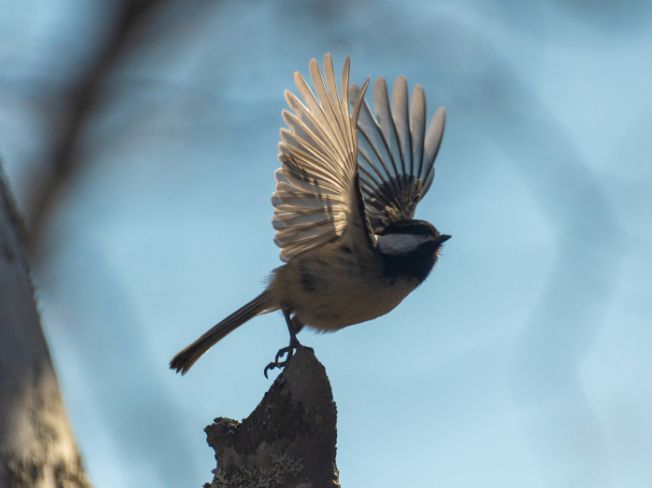
The way a chickadee seems to bounce through the air.
-
The soft call of a bird I still can’t quite name, coming from the trees near the alley.
-
The feel of the air on my face—damp, cool, or warming up as the sun climbs.
By setting things up so I can sit comfortably—either on the porch or by the window—I’ve turned this into something I can keep doing, even as my body complains more than it did in my fifties.
It reminds me that my life isn’t over just because I can’t stand for long periods anymore. I just have to approach things differently. The birds don’t care if I’m sitting, standing, or leaning in a doorway. They just go about their lives. I’m the one adjusting, not them.
There’s a quiet dignity in that adjustment, I think. In accepting where you’re at and finding a way to keep enjoying what you love, without pretending you’re still twenty-five.
A Quiet Thought to End On
Most days here in Duluth, my life is pretty simple now. I wake up, shuffle into the kitchen, make coffee, and look out at the small backyard that has become my little slice of the world. The tall trees a few blocks away, the glimpses of Lake Superior on my walks, the quiet residential streets—they’re all part of the same landscape that holds me and the birds and the neighbors and the changing seasons.
My body is slower and creakier than it used to be. I can’t stand around outside for very long without paying for it. But with a good chair, a smart feeder setup, and the willingness to let the birds come closer to me, I still get to enjoy that small miracle of feathers and motion and song almost every day.
If you’re reading this and you’re around my age—or older—and you’re feeling frustrated because your legs don’t behave the way they used to, I just want to say this: you don’t have to give up on the things that bring you peace. You can shape them to fit the body you have now.
You can sit on a porch in a sturdy chair, or settle into a warm spot by a window, and still find joy in a chickadee puffing itself up against the cold, or a bright little finch arguing for space at the feeder. You can let the steady rhythm of their comings and goings remind you that life keeps moving, gently, quietly, even when we have to slow down.
For me, that’s enough. It’s more than enough, really. On a good morning, with a mug of coffee, a blanket over my knees, and a handful of birds flitting through my small Duluth backyard, I feel like I’ve got a front-row seat to something pretty special—without needing to stand up for very long at all.