A Frosty Duluth Morning That Got Me Thinking About My Hands
The other morning here in Duluth, I stepped out into the backyard just after sunrise, if you can call it that in December. The sky was that pale gray-blue we get when the sun is low and the clouds hang over Lake Superior like a heavy lid. The air had a real bite to it. I could feel the cold slipping in around my collar and nibbling at my fingertips almost right away.
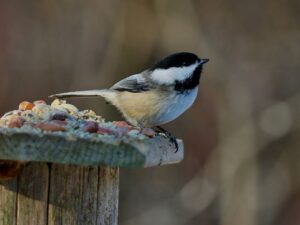
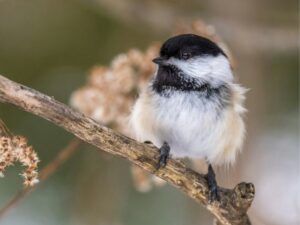
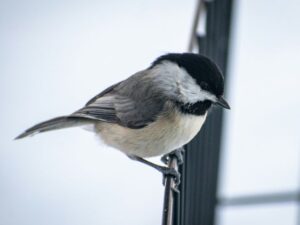
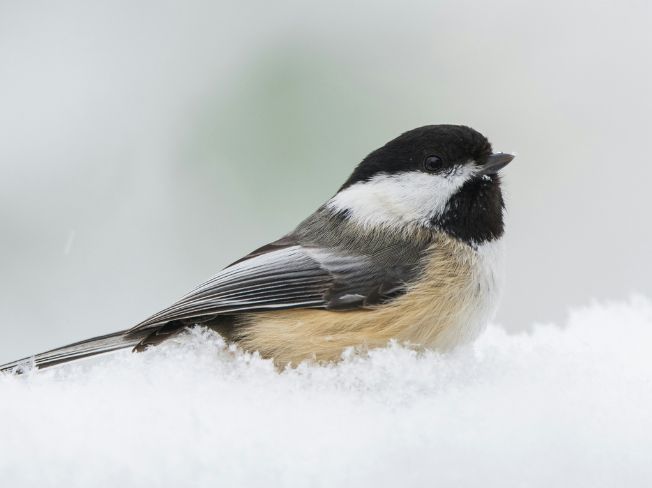
The snow in the yard had that crusted look from a few days of freezing and thawing, and the pine trees at the back fence were holding onto little caps of snow on every branch. A couple of chickadees were already busy, bouncing in and out of the spruce like little wind-up toys. I heard a distant jay call—loud and sharp, cutting through the quiet of our residential street.
I lifted my binoculars to get a closer look at one tiny bird near the feeder, and that’s when I noticed it again: my hands weren’t as steady as they used to be. Part of it was the cold, part of it was my age. The image shook just a little, enough that the bird blurred in and out of focus. I had heavier winter gloves on, and between the bulk and the chill, I couldn’t quite keep the binoculars as still as I wanted.
I remember thinking, “There has to be some middle ground here. Something warm enough for a Duluth winter, but not so thick that I lose my grip.” At 68, I’m not chasing birds across miles of forest anymore. I’m just trying to enjoy the small ones that show up in my backyard and in the park a few blocks away, you know what I mean.
That was the morning I really started paying attention to what was on my hands as much as what was in them.
The Problem With Cold Fingers and Jittery Binoculars
It kind of snuck up on me over the last few winters. When I was younger, I could stand out by the lake in any weather, fingers stiff as sticks, and still raise binoculars to my eyes without thinking much of it. These days, my body reminds me when it’s not happy. Fingers ache sooner, grip isn’t quite as strong, and any little shake in my hands shows up loud and clear in the view.
For a while I tried going without gloves, just shoving my hands into my pockets between looks. That didn’t last long. The cold wind off Lake Superior has a way of making that feel like a bad idea pretty quick, especially on those single-digit mornings when your breath hangs in the air and the snow squeaks under your boots.
Then I tried my big, heavy winter gloves. The kind you might wear while snowblowing the driveway or shoveling after the plow goes by. They kept my hands warmer, sure, but they were so bulky I could hardly adjust the focus wheel. The binoculars felt clumsy, and I kept fumbling the strap and bumping the eyecups against my glasses.
So there I was:
-
Bare hands: cold, achy, and a little shaky.
-
Heavy gloves: warm but clumsy, hard to hold the glass steady.
I started wondering if there was some kind of lighter, padded glove that could do both jobs—take the edge off the cold and give me a steadier grip—without making me feel like I was wearing oven mitts.
I’m not much for fancy gear, so I didn’t want anything complicated. Just something simple that would let an older guy like me still enjoy following a little bird hopping along a branch.
What I Tried First and How It Turned Out
At first, I just used the old work gloves I had in the garage. You know the type—sturdy enough for raking leaves or hauling branches, but not really meant for fine finger work. One cold afternoon I slipped those on and walked down to the small park near my house, the one with the few benches and the row of pines along the edge.
The air felt dry and sharp, and the snow on the path was packed down from a couple of neighbors walking their dogs. A few chickadees and nuthatches were busy in the trees, and I could hear a woodpecker tapping somewhere deeper in. It was a pretty nice winter scene.
I raised my binoculars with those work gloves on and tried to focus on a tiny bird halfway up a pine. It didn’t go very well.
Here’s what I noticed:
-
The leather on the gloves was slicker than I expected.
-
My fingers didn’t bend quite enough to make small adjustments.
-
Every time I tried to twist the focus, the whole image bobbed around.
The bird, of course, didn’t wait for me to figure it out. It hopped higher, then darted to another tree. By the time I had a decent grip and something like a steady view, the bird was gone.
I walked home that day thinking, “All right, that’s not the answer.” The gloves were made for carrying firewood, not for cradling binoculars and following a moving target.
Back at home, standing in the kitchen with the heat on and my hands thawing, I realized I needed something different—gloves with just enough warmth and cushioning, but not so much that I felt clumsy.
The Day I Found Gloves That Actually Helped
A week or two later, after a stretch of cloudy days and early sunsets, I took a ride down one of the main streets toward the lake and stopped at an outdoor shop. It was one of those bright but cold winter days, when the sky is surprisingly blue and the snow almost hurts your eyes. The wind coming up from the lake made me tuck my chin into my scarf as I walked from the car.
Inside, I told the young clerk I was looking for gloves I could use while holding binoculars. I mentioned that my hands aren’t as steady as they used to be and that thick mittens just made everything harder. He nodded—nice kid, maybe the age of my oldest grandson—and pointed me toward a shelf with several lighter, padded styles.
I tried on a few pairs, paying attention to a couple of things:
-
Could I flex my fingers easily?
-
Did the palms have some kind of soft grip material?
-
Was there enough padding to keep the cold from biting, but not so much that I lost touch?
I ended up with a pair that felt almost like a cross between winter gloves and driving gloves. Light padding on the back, a bit of grip in the palm, and fingers that weren’t too thick. I could still feel the shape of the binoculars in my hands, which seemed like a good sign.
The real test came the next morning.
It was one of those quiet Duluth mornings when the neighborhood is still and you can hear a car coming from a long way off. The snow in my small backyard looked untouched except for a few rabbit tracks. I slipped on the new gloves, picked up my binoculars, and stepped out near the porch.
I spotted a tiny bird flitting around the spruce—probably a chickadee, though at that distance I wasn’t sure. I raised the binoculars, and right away I noticed:
-
The grip surface on the gloves held firm, without slipping.
-
When I turned the focus wheel, the view didn’t jump all over the place.
The image wasn’t perfectly still—nothing is at my age—but it was steadier. I could follow that little bird as it hopped from branch to branch, and the shake that used to bother me felt dialed down a notch.
Standing there with the cold air on my face and my hands tucked into those padded gloves, I felt a little relieved, to be honest with you. I didn’t have to choose between frozen fingers and clumsy mittens anymore.
Small Adjustments That Made a Big Difference
After using those lighter gloves for a few weeks, I realized there were some habits I could change to make things even better. It wasn’t just about the gloves—it was about how I held the binoculars and how long I tried to keep them up.
Finding a Steadier Stance
I started planting my feet a little more carefully. Instead of standing in a half-twist or leaning too far, I’d do this:
-
Stand with my feet shoulder-width apart.
-
Take a slow breath before raising the binoculars.
Nothing fancy. But when you combine a good grip from those padded gloves with a more solid stance, the whole view calms down a bit. I guess I had been taking that for granted when I was younger.
Taking Shorter “Looks”
I also stopped trying to hold the binoculars up for long stretches. My arms tire faster now, and when they get tired, they shake more.
So instead, I:
-
Look through the binoculars for maybe 10–20 seconds.
-
Lower them, rest my arms, and just watch with my eyes for a bit.
-
Then raise them again when something interesting happens.
That rhythm suits me better these days. It’s more relaxed, and with the gloves keeping my hands comfortable, I’m not rushing because my fingers hurt.
A Simple Glove Checklist for Folks with Not-So-Steady Hands
I’m not pushing any brand here—just sharing what I look for now whenever I need gloves I can use with binoculars. If your hands feel a little shaky, or the cold makes everything worse, some of this might help.
When I pick up a pair of lighter, padded gloves, I ask myself:
-
Can I easily wrap my fingers around the binoculars?
If I feel like my hands are stiff or the fingers won’t bend naturally, I put them back. -
Do the palms have some grip, but not a sticky mess?
I like a soft, rubbery or textured area so the binoculars don’t slip, but nothing that grabs and jerks. -
Is there enough warmth for the kind of cold we get here?
For Duluth winters, I don’t want paper-thin gloves, but I don’t need full arctic gear either if I’m only outside for a bit. -
Can I operate small parts?
I test whether I can:-
Turn the focus wheel.
-
Adjust the center hinge if needed.
-
Clip and unclip the strap or lens caps.
-
-
Do they feel comfortable when my hands are at rest?
I notice how they feel when my arms hang naturally. If they pinch or feel awkward, that shows up more after ten or fifteen minutes outside.
If a pair passes those small tests, there’s a good chance they’ll help me steady the binoculars instead of making things harder.
How This Changed My Everyday Birdwatching
Since I started using those lighter padded gloves, winter birdwatching has become more relaxed for me. I don’t dread the moment when my fingers start to burn from the cold, or when I can’t quite hold the binoculars still enough to tell a chickadee from a finch.
Now, on those bright winter mornings when the sun finally comes up over the houses and makes the snow sparkle, I can step into the backyard or stand on the porch and feel ready. I slip on my gloves, lift my binoculars, and follow a tiny bird through the branches without fighting my own hands as much.
It’s not magic. I still have days when my joints ache or I don’t feel like being out too long. But the gloves remove one more barrier between me and something that brings me a lot of quiet happiness.
The same goes for short walks in the park. On those still afternoons when the air is cold but the wind is calm, I’ll walk along the path between the pines, binoculars hanging from my neck, gloves on my hands. When I hear a little tapping or a bit of song, I stop, plant my feet, lift the glass, and more often than not, I get a clear look at whoever’s out there.
It’s a small change in the grand scheme of things. But at this age, small changes mean a lot.
Why This Matters to Me Now at My Age
At 68, living on a quiet street not far from Lake Superior, my life has slowed down in ways I didn’t always expect. I don’t mind it most days. The slower pace gives me time to notice things—the way the light hits the snow on the fence, the sound of the wind in the pine needles, the little flurry of wings when a chickadee lands on the feeder.
But I do notice the ways my body has changed. My hands aren’t as strong, my grip isn’t as steady, and the cold feels sharper than it used to. Instead of fighting that, I’m trying to find workarounds that let me keep doing the things I love, just in a gentler way.
Finding gloves that cushion my hands a bit and give me a better grip on the binoculars is one of those quiet workarounds. It lets me stay out there a little longer, keep watching those small birds up in the branches, and feel like I’m still part of this northern place I’ve called home for so long.
If you’re around my age, or even older, and you’ve noticed your hands getting shaky or cold when you’re trying to watch birds, I’d say it’s worth experimenting with your gear just a little. You don’t need the fanciest equipment. Sometimes something as simple as the right pair of gloves can make the view steadier, the experience more comfortable, and the whole outing feel less like a struggle.
On certain winter mornings, when the wind is calm for once and the sky over Duluth softens into that pale blue, I stand there in my yard with my padded gloves and my binoculars, watching a tiny bird flit through the spruce branches. My hands feel supported, my view is clearer, and I think to myself, “This is still my kind of day.”
If you can find small ways like that to meet your body where it is now, you might discover there’s still a lot of joy left in simple things—like following a little bird across a snowy branch, one steady look at a time.