Folks ask me how to enjoy birds without turning it into a whole production, especially when their legs get tired fast. I get it. If your knees start barking after 5–10 minutes of standing, the idea of “going out to watch birds” can feel like a chore you didn’t sign up for. The good news is you can do real birdwatching right from a window, and you don’t need fancy gear or a perfect yard to make it work. This is window bird watching with window comfort without tired legs in mind—simple, steady, and kind to your body. If you can sit, you can watch, and if you can watch, you can learn a handful of birds that’ll feel like regular neighbors.
I used to overthink it and make it harder than it needed to be.
Start With Comfort First, Birds Second
Before feeders, before apps, before any of that—set up your body like you mean to stay awhile.
A few practical checks:
-
Chair height: Your hips should be slightly higher than your knees. If your knees ache, a firm cushion can help.
-
Elbow support: Rest your forearms on the windowsill, a folded towel, or a small pillow so your grip doesn’t have to do all the work.
-
Distance: Sit close enough that you’re not leaning forward. Leaning turns a relaxed sit into a low-grade workout.
-
Glare control: If the glass throws reflections, angle your chair a few inches left or right.
If you’re using binoculars, pick a light pair and use them in short bursts. Ten seconds of looking, then drop them and just watch with your eyes. That rhythm saves your hands and your neck.
One Simple Window Setup That Works in Most Homes
You don’t need a “bird room.” You need a decent view and a plan that respects how birds behave.
Here’s a setup that’s worked in ordinary homes with a driveway out front, a fence line, or a small backyard:
-
Pick one window you already spend time near—living room, kitchen table, whatever is easiest.
-
Choose one “landing zone” outside that window: a fence rail, a shrub, a small tree, or even the top of a grill cover on the deck.
-
Put food near that landing zone so birds have a place to pause before they commit.
A good starting distance is 8–12 feet from the glass to the feeder or the spot you want them to use. Close enough to see clearly, far enough that birds don’t feel like they’re eating at your dinner table.
Feed Options Compared (So You Don’t Waste Money)
I’m all for simple. If you buy the wrong thing, you’ll either attract nothing… or attract everything you didn’t want.
Black oil sunflower seed
-
Pros: Brings in chickadees, cardinals, finches, nuthatches.
-
Cons: Can make a mess. Squirrels love it.
-
Cost: Usually $10–$25 for a smaller bag, more for big bags.
Suet cakes
-
Pros: Woodpeckers go nuts for it—downy woodpecker, hairy woodpecker. Great in winter and cool seasons.
-
Cons: In hot spells it can soften and get gross.
-
Cost: Often $2–$6 each.
Nyjer (thistle)
-
Cons: Needs a special feeder. Can be pricey.
-
Cost: Commonly $8–$20 depending on size.
No-food option: water
-
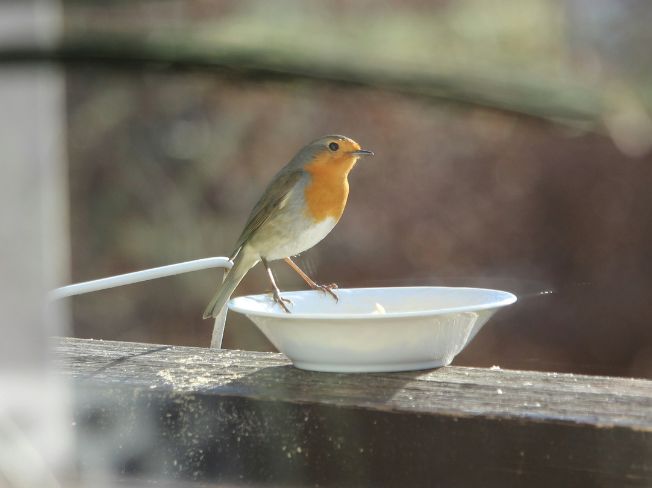
Pros: A shallow dish can draw birds when food doesn’t.
-
Cons: Needs regular cleaning.
-
Cost: Basically free if you’ve got a spare shallow pan.
If you’re starting from zero, I’d begin with sunflower seed or suet, not both. Keep it simple so you can tell what’s working.
The “Wrong Try” I Made (So You Don’t Have To)
I once put a feeder too close to the window because I thought “closer means better views.” The birds acted jumpy, and I kept thinking they’d “get used to it.” They didn’t. After a week I moved it farther out, and within a day the chickadees came back like nothing happened. So if things feel oddly quiet, distance can be the fix.
Also—this is me being honest—that cheap suction-cup feeder drove me nuts. It worked for a while, then it started sliding down the glass like a tired sticker.
Window Comfort Without Tired Legs: Small Upgrades That Matter
This is where the angle phrase earns its keep. You’re building a habit you can enjoy without paying for it later.
-
Foot support: Put your feet on a small stool so your legs don’t dangle. Less leg fatigue, less lower-back strain.
-
Warmth without bulk: If your room runs chilly, a light throw blanket keeps you comfortable without making you stiff.
-
“Station basket”: Keep binoculars, a small notebook, and a lens cloth in a basket by the chair. No extra trips to the garage.
-
Timer trick: Set a gentle timer for 15–20 minutes. When it goes off, you choose to keep watching or stop. That choice prevents overdoing it.
These little moves are how you keep birdwatching a pleasure instead of another thing your body has to “push through.”
What You’ll See First (Common Backyard Birds)
If you’re new to it, you’ll start recognizing birds the way you recognize neighbors’ cars—shape, color, and behavior.
A short list you’ll likely see around many parts of the U.S.:
-
Northern Cardinal: Bright red male, warm brown female. Often shows up in pairs.
-
Black-capped Chickadee: Tiny, bold, quick. Grabs a seed and flies off.
-
American Goldfinch: Yellow in breeding season, more muted other times.
-
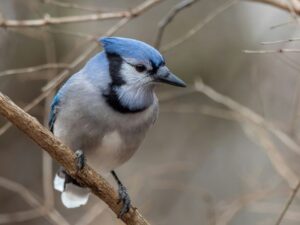
Blue Jay: Loud, confident, sometimes a bully at the feeder.
-
Mourning Dove: Gentle, round-bodied, likes to eat off the ground.
-
Downy Woodpecker: Small woodpecker, loves suet.
You’ll also learn your local “background characters,” like sparrows, starlings, and grackles depending on where you live.
Troubleshooting: 5 Common Problems and Simple Fixes
Here are the issues folks run into with window bird watching, plus fixes that don’t require a new hobby budget.
-
“No birds show up.”
Fix: Start with sunflower seed, place feeder 8–12 feet out, and give it 7–10 days. Birds notice new food sources slowly. -
“Squirrels take everything.”
Fix: Use a baffle if you can, or move the feeder farther from jump-off points like fences and tree branches. Some folks switch to safflower seed—many squirrels dislike it. -
“Birds hit the window.”
Fix: Add visible markers on the outside of the glass—bird-safe window decals or a simple pattern so the glass doesn’t look like open sky. -
“Seed hulls and mess pile up.”
Fix: Put a tray under the feeder or choose a no-mess seed blend. Rake or sweep once a week so it doesn’t turn into a rodent invitation. -
“I can’t see clearly through glare.”
Fix: Turn off interior lights near the window when watching, and pull a shade down slightly behind you. Even moving your chair a few inches can change the reflection.
A Simple Routine You Can Keep (Even on Low-Energy Days)
You don’t need long sessions. Consistency beats intensity here.
Try this low-effort routine:
-
Step 1: Sit down, get comfortable, and watch with your naked eye for 2 minutes.
-
Step 2: Use binoculars for quick “spot checks” only—10 seconds at a time.
-
Step 3: Pick one bird and notice one detail: beak shape, head marking, how it moves.
-
Step 4: Write one line: “Cardinal on fence at 3:10.” That’s enough.
-
Step 5: Stop before you’re tired. Leave yourself wanting a little more.
Over a couple weeks, you’ll build a mental “yard map.” You’ll notice where birds like to land and which ones show up together.
Pitfalls That Sneak Up on You
A few things can quietly spoil the fun if you’re not looking out for them:
-
Too many feeders at once: You won’t know what’s attracting what.
-
Feeder too close to cover: Birds like nearby shrubs for safety, but if it’s right inside thick bushes, predators can lurk.
-
Ignoring raccoons: If you feed at night or leave suet out where raccoons can reach, they’ll treat it like a buffet.
-
Letting seed go stale: Old, damp seed turns birds off fast.
Birdwatching from a window is supposed to make life easier. If it starts to feel like chores, scale back and simplify.
Why This Works (Even Without Fancy Gear)
Birds run on patterns: food, safety, and routine. When your setup is predictable, birds relax. When birds relax, they linger. When they linger, you get better views without standing outside or walking laps around the yard.
Window watching also helps you learn behavior. You’ll see that chickadees “grab and go,” doves hang around longer, and jays act like they own the place. Those patterns become familiar, and familiarity is where the calm comes from.
You don’t have to chase birds. Let them come to you.
Keep It Gentle, Keep It Yours
If your legs get tired quickly, you’re not missing out—you’re just choosing a smarter way to enjoy what’s already around you. Build one comfortable spot by one good window. Put out one food source, keep it clean, and give the birds time to trust it. When you notice the first regulars—maybe a chickadee that shows up like clockwork, or a cardinal that prefers the fence—treat that as a win, not a starting line you have to sprint from.
Some days you’ll see a whole lineup. Some days it’ll be quiet. Quiet days still count, because you’re learning the rhythm of your yard. Keep sessions short enough that your knees don’t complain, and make comfort part of the plan, not an afterthought. A steady chair, a good angle, a simple feeder, and a little patience can turn a plain old window into your favorite seat in the house.