A Quiet Winter Morning Here in Duluth
The other morning I stepped out onto the back porch, coffee in one hand and the rail in the other, just to test the air like I usually do. You can tell what kind of day it’s going to be in Duluth pretty quickly. The cold hit my face first, sharp and clean, and I could feel that old familiar sting in my nose. The sky was that pale winter blue we get up here, almost washed out, and the snow in my little backyard had that crunchy look that tells you it froze hard overnight.
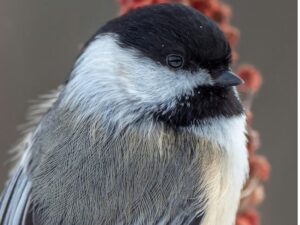
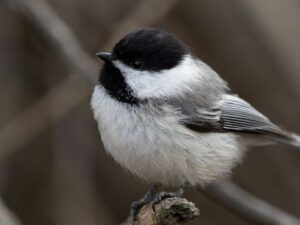
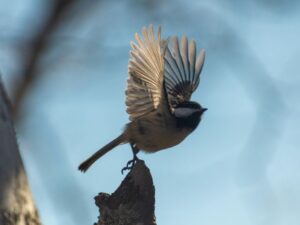
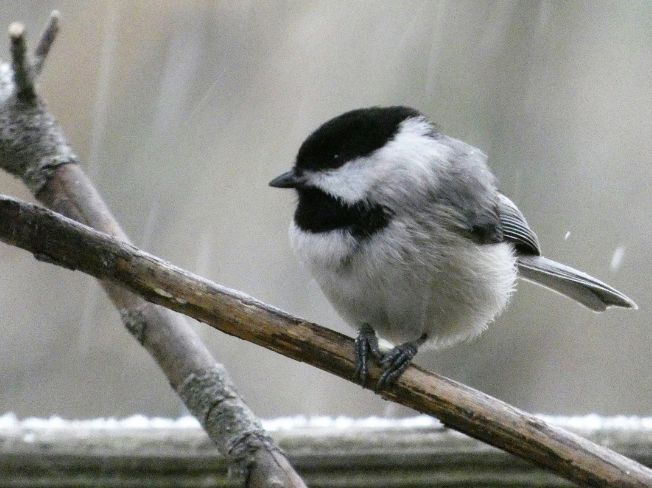
Off to the side, near the pine tree by the fence, my feeder was hanging a little crooked. A black-capped chickadee bounced in, grabbed a seed, and shot back into the tree like it had someplace important to be. A red-bellied woodpecker showed up a minute later, clinging to the side of the suet feeder, working away like it was punching a time clock. You could just barely hear the wind coming off Lake Superior, low and steady, like a distant highway.
Standing there on that chilly morning, I caught myself thinking about folks my age. Knees not what they used to be, eyes a little tired, balance not quite as steady on the ice. A lot of grandparents want to enjoy birds around their homes or in a small garden, but they don’t want to fuss with complicated gear or hike through deep snow. They just want something gentle and easy, you know? A warm drink, a safe place to sit, and a few feathered visitors to brighten the day.
I used to think bird watching meant long walks, big binoculars, and knowing every Latin name. These days, my life runs at a slower pace. I’ve learned that a small backyard and a simple setup can be more than enough. Let me share how I stumbled into that, mostly by trial and error.
How I Started Making the Backyard Friendlier
When I first retired, I had this picture in my head of turning my little patch of yard into some kind of bird paradise. The problem was, I tried to do too much at once. I bought a cheap feeder from the hardware store, stuck it in the snow near the middle of the yard, poured in whatever seed was on sale, and then wondered why I hardly saw anything except a couple of crows and a very confused squirrel.
Looking back, I can see my mistakes pretty clearly:
-
I put the feeder in the open where birds felt exposed.
-
I didn’t think about the wind direction or shelter.
-
I only thought about where I wanted to see the birds, not where they would feel safe.
One day, I was out front shoveling, and my neighbor, an older fellow who’s lived here longer than I have, looked over the fence and said, “You know, Jeremy, if you move that feeder closer to those pines, the little guys might actually stick around. They like a place to duck into if a hawk shows up.”
So I listened. I guess I’ve finally reached the age where taking simple advice feels pretty smart.
I moved the feeder:
-
Closer to the pine tree near the side fence.
-
Far enough from the branches that squirrels couldn’t just jump onto it.
-
Still within clear view from my kitchen window and porch chair.
A few days later, on a cold but sunny morning, I noticed a line of chickadees waiting their turn. A nuthatch came down the trunk headfirst, grabbed a seed, and disappeared back around the tree. I didn’t change much, really—just the location—but it changed how alive my yard felt.
Simple Gear That’s Kind to Old Joints
Now, I’m not much for fancy equipment. I’m 68, and if something is heavy or complicated, it’s probably going to end up sitting in a closet. I’ve found a few basic things that make this whole backyard bird habit easier on a body that’s seen a lot of miles.
A Few Things That Make Life Easier
-
A light pair of binoculars
I don’t need anything high-tech. I picked a pair that fits in my hands comfortably and doesn’t feel like a brick around my neck. These days my hands shake a little if I hold something heavy too long, so lighter is better. I use them mostly from a chair, resting my elbows on the armrests so I get a steady view. -
A solid, comfortable chair
On the porch, I’ve got a sturdy chair with arms and a cushion that doesn’t mind a little cold. In winter, I toss an old blanket over my lap. Being able to sit down and stand up without wrestling with the furniture is a big deal at this age. -
Safe footing out to the feeder
I laid down a simple path in the yard, and in winter I keep it packed down and sprinkled with sand. I’d rather spread a little sand every few days than risk a fall on the ice. The feeder is just far enough that I get a tiny bit of exercise, but not so far that I need to stop and catch my breath. -
A “watching spot” indoors
On the coldest days, I stay inside. I’ve claimed a chair near the kitchen window that looks right out toward the pine tree and feeder. I keep a little notebook there, along with a mug coaster for my coffee or tea. It feels like my own small corner of the world.
None of this is fancy. It’s just arranged so my body doesn’t have to fight the setup. At this stage of life, if something feels like a struggle, I’m not going to keep up with it. When things are comfortable, I naturally spend more time watching and less time fussing.
Little Experiments With Food and Feeder Spots
I learned pretty quickly that not all bird food is the same, and not all feeders work well in a Minnesota winter. I didn’t figure that out from a book. I learned it standing in the snow, wondering why my feeder was swinging empty.
First, I tried a bargain bag of mixed seed. It attracted a few birds, sure, but a good portion ended up on the ground, and the birds didn’t look all that excited about it. Then, one day at the store, I heard another older woman say, “I always keep some black oil sunflower on hand. That brings in the good crowd.” So I gave it a shot.
When I started adding more sunflower seeds and a small suet cake, I noticed some changes:
-
More variety
Chickadees showed up, along with nuthatches and downy woodpeckers. Every now and then, a bright northern cardinal stopped by, especially on those gray, snow-heavy afternoons that make the color really pop. -
Less wasted food
The birds worked through the sunflower seeds pretty well, so there was less mess underneath. -
More activity in colder weather
On bitter days when my breath hung in the air and the snow squeaked under my boots, the suet feeder was busy. Those little birds need the extra energy, and they’re not shy about using it.
I also played around with feeder height and angle. When I hung it too low, the neighborhood rabbits and squirrels treated it like a buffet. When it was too high or too close to the branches, it turned into a squirrel playground. Eventually, I found a middle ground where:
-
The birds could land easily.
-
I could reach it without climbing anything.
-
Squirrels weren’t quite as successful, even though they still try. You know how they are.
It felt good to find that sweet spot. Just small adjustments, but they made the yard feel more like a shared space between me and the birds.
Turning the Porch Into a Front-Row Seat
Winter in Duluth can stretch out a good long while. We get early snow, and it hangs around. The sun doesn’t rush to get up in the morning, and the afternoons feel short. On some days, the lake sends in a damp, chilly wind that goes right through your jacket.
Instead of fighting the season, I decided to build my little habits around it.
On the porch, I set up what I think of as my front-row seat:
-
A sturdy chair with arms and a cushion.
-
A small side table for my mug and maybe a simple bird book.
-
A blanket folded over the back of the chair.
-
A clear view of the feeder and the pine tree.
Some mornings I’ll bundle up, step out for just ten or fifteen minutes, and sit quietly. The air is cold enough that my coffee sends up a little cloud of steam, and I can hear the soft rustle of wings as birds shift around in the branches. The neighborhood street is usually quiet. Every now and then a car crunches past on the packed snow, but most of the sound is just wind and the birds.
I don’t always stay long. My knees get stiff, and my fingers complain if the temperature drops too much. But even a short sit like that makes the day feel different. It gives me something small to look forward to that doesn’t depend on anyone else’s schedule.
Sharing the Birds With the Grandkids
When my grandkids come to visit, especially during winter break or a long weekend, the birds give us something simple to do together that doesn’t require screens or complicated plans.
One afternoon, snow piled high along the driveway and the sky that heavy gray we get before another round of flakes, my youngest granddaughter pressed her nose to the window and said, “Grandpa, why do those birds keep going back and forth like that?”
So we made a little game out of it.
Gentle Ways to Involve the Kids
-
Giving them a “helper job”
I let the kids help pour seed into a small scoop and carry it out with me. I walk slowly along the sanded path, and they follow behind like little ducklings. I handle the reaching and the lifting; they get to tip in the seed. -
Counting and noticing
From the window or the porch, we try to count how many different kinds of birds we see in ten minutes. We use simple names: “the black-and-white one,” “the red one,” “the tiny one with the big voice.” We’re not trying to pass a test—just paying attention together. -
Drawing what we see
Sometimes, after we come back inside, they’ll draw a picture of their favorite bird from the day. I keep a few of those drawings near my watching spot, and they make me smile when the house is quiet again.
I like that these little activities don’t require me to stand for long or chase anyone around. I can sit, they can bounce around a bit, and we all end up watching the same small corner of the yard. It feels like time slows down just enough for us to meet in the middle.
Short, Gentle Walks Beyond the Backyard
As much as I enjoy my own little yard, some days I feel like stretching my legs just a bit. There are small parks around here with pine trees and quiet paths, nothing too dramatic. On days when the sidewalks aren’t too slick and the wind off Lake Superior isn’t biting too hard, I put on my boots, grab my light binoculars, and take a slow walk.
I don’t go far. Maybe just to a small neighborhood park with a couple of benches. I find a spot where I can see a cluster of trees and sit down. I watch for:
-
Chickadees hopping from branch to branch.
-
Woodpeckers working a trunk, tapping away.
-
Juncos kicking around in the snow under the shrubs.
The air feels different away from the house. You can hear more of the wind moving through the trees, and sometimes the fog creeps in from the lake, softening the edges of everything. I don’t need to hike miles or keep a fast pace. Just a short, careful stroll and a little time on a bench does the job.
If you’re a grandparent thinking about trying this, my simple approach is:
-
Pick a spot close to home with a bench or low wall.
-
Check the footing first; if it looks icy, turn back without feeling bad about it.
-
Give yourself permission to sit more than you walk.
-
Bring a warm drink in a small thermos if that sounds nice.
No medals are given for distance at our age. The reward is simply being out there, breathing the cold air, and sharing the space with a few wild creatures.
Why These Small Moments Matter More to Me Now
At 68, life feels different than it did when I was rushing off to work every morning. My days are quieter. Some friends have moved away or passed on. The kids and grandkids have their own busy lives. There are more doctor appointments on the calendar than I’d like to admit.
In the middle of all that, watching birds in my little winter yard feels like a gentle reminder that the world is still moving in a good way, even if my own pace has slowed down. The chickadees don’t care how old I am. The woodpecker doesn’t ask whether I’m retired. They just show up, do their thing, and brighten the day a little.
Sitting here in Duluth, with the long winter stretching out and the cold wind sometimes rattling the windows, I find a lot of comfort in those simple visits. My backyard and the nearby parks may be small places, but they’re enough. They give me something steady to look at, something soft to think about, and a reason to step outside, even if it’s just for a few minutes.
If you’re a retired grandparent yourself, maybe with a tiny garden or just a bit of space outside your window, you don’t need much to start. A modest feeder, a safe path, a comfortable chair, and a little patience can go a long way. The birds will find you sooner or later, especially up here where they’re used to long winters and tough conditions.
Give yourself permission to keep it simple and gentle. You’ve already done the hard parts in life. Let the next season be about small, kind routines—like watching a chickadee land on a snow-dusted feeder while you warm your hands on a mug and listen to the wind coming off the lake. You might be surprised how much peace fits into that little moment.