A Chilly Duluth Morning That Got Me Thinking
The other morning I stepped out onto my back patio here in Duluth, coffee in one hand, the other hand feeling along the railing like I usually do. It was one of those cold December mornings up by Lake Superior where the air feels sharp before you even take a breath. The sky was a pale gray, and the kind of low light we get this time of year made the snow on the patio look almost blue.
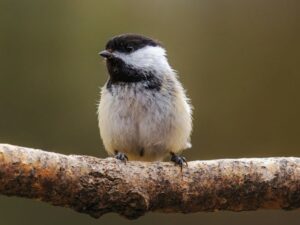
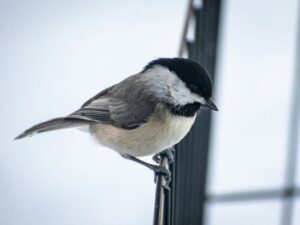
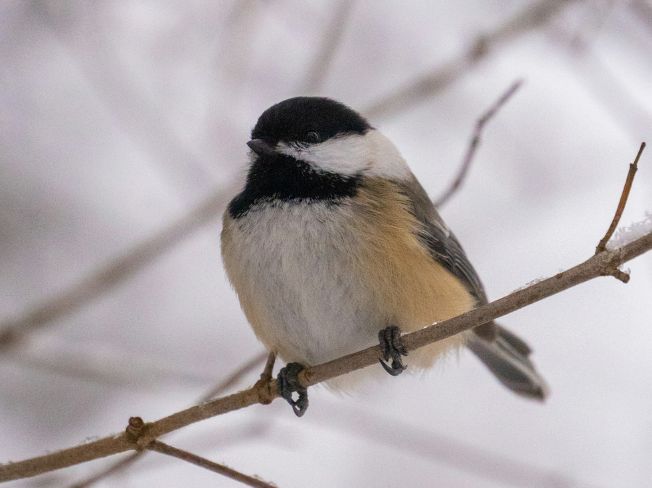
I stood there for a minute, watching my little feeder hanging off the edge of the porch. A black-capped chickadee zipped in, grabbed a seed, and shot back to the pine tree at the corner of the yard. A dark-eyed junco hopped around on the shoveled part of the patio, flicking snow aside with its feet like it had all day to look for breakfast. You could hear the faint hum of the wind coming off the lake, pushing just enough to make me pull my jacket a little tighter.
As I turned to go back inside, my foot caught just a little on the step down from the threshold to the patio. Not a big stumble, but enough to remind me I’m 68, not 28. My knees complain more these days, and I don’t lift my feet as high as I used to. It made me think about my elderly neighbors up the street—folks who love birds but don’t move quite as easily anymore.
I found myself wondering, “If it’s a bit tricky for me, how are they supposed to keep a feeder going without worrying about steps and slippery spots?” That’s when I started thinking more seriously about a very simple idea: making a seed station right on the patio, with barely any steps to deal with, so older folks can still enjoy the birds without feeling like they’re taking a risk every time they fill a feeder.
What I Tried First and Why It Didn’t Quite Work
When I first got into backyard birds after retiring, I did what a lot of people do. I stuck a tall pole out in the middle of the yard, hung a feeder from it, and figured I was all set. It looked pretty good at first, standing there in the snow like some kind of little flagpole for chickadees.
But a few problems popped up:
-
I had to go down the back steps, walk across the yard, and step through uneven snow.
-
On icy days, that short walk felt like crossing a minefield.
-
If I forgot my cane or didn’t have good boots on, I’d feel a little shaky out there.
One afternoon, after a light freezing drizzle, I went out to refill the feeder. The air smelled wet and metallic, the way it does before a real cold snap. My foot slid just a bit as I stepped off the patio onto the yard, and my heart jumped in my chest. I didn’t fall, but I felt that jolt of “boy, that could’ve been bad.”
I remember standing there thinking, “You know, Jeremy, you’re not as steady as you used to be. Maybe it’s time to bring the birds a little closer instead of marching yourself out there like you still work construction.”
That evening, after the sun dipped below the houses and the sky turned that dark steel color we get in December, I sat at the kitchen table with a pencil and some scrap paper. I started sketching a very simple layout: feeders and seed storage within just a step or two of the back door, so I wouldn’t have to wrestle with slippery yard snow every time I wanted to help the birds out.
Figuring Out What Older Bodies Actually Need
Before I changed anything, I thought about what my body actually complains about these days. I guess that’s one nice thing about getting older—you know your own limits pretty well.
For me, and for a lot of older neighbors I’ve talked with, a few things stand out:
-
Steps are tricky.
Even one or two can be a problem if they’re high, uneven, or icy. -
Lifting big bags is no fun.
Carrying a 40-pound bag of seed up and down steps is a good way to end up at the doctor. -
Bending and twisting are harder.
Stooping to pick up a spilled bag or reaching up too high to hang a feeder can throw your back out for a week. -
Balance isn’t what it used to be.
Standing on one foot to knock snow off a feeder is not a bright idea, though I’ve done it.
So I started to imagine a bird-feeding corner that doesn’t ask much from our joints:
-
Very low step or no step at all.
-
Everything within arm’s reach.
-
Seed containers that aren’t heavy.
-
A good, sturdy place to rest a hand or lean for balance.
As I thought about it more, I realized this wasn’t just about me. I have a neighbor, Mrs. Hansen, who uses a walker and loves to sit by her sliding door watching the snow and the birds. She told me once, “I’d keep a feeder if I didn’t have to wrestle with those darn steps.” That stuck with me.
Building a Gentler Seed Corner on the Patio
So, one day when the weather eased up a bit—cold, but not brutal, and the sky a lighter gray—I bundled up, grabbed my shovel and a push broom, and started working on the back patio.
Step 1: Making the Path Kind to Old Knees
First off, I cleared the patio so it was flat and dry:
-
Shoveled off the thick snow.
-
Spread a little sand where ice tended to form.
-
Knocked down the small “lip” of packed snow at the door threshold.
I tried to make it so I only needed to take one small step down from the house onto the patio, and then I’d be on a stable surface. I also added a second handrail along the side of the steps. Having something to grab on both sides makes a huge difference on a windy day when the air coming off Lake Superior is trying to push you sideways.
Step 2: Bringing the Feeder Closer
Next, I moved my main feeders in closer, so I didn’t have to leave the patio:
-
I put a short, sturdy pole right at the edge of the concrete.
-
I chose a pole that’s just high enough to keep the seed out of easy squirrel reach, but low enough that I can fill it without stretching.
-
I made sure I could reach it with one hand on the rail if I needed to steady myself.
The birds didn’t mind the change. Chickadees and nuthatches found it pretty fast. They’re used to working around houses and patios in winter up here. Cardinals and juncos took a few days to get comfortable, but they came around too.
Step 3: Setting Up Easy Seed Storage
Then, I set up a little “seed station” right on the patio:
-
A small, weatherproof storage box with a lid that opens easily.
-
Inside, a few smaller containers of seed instead of one big, heavy bag.
-
A simple scoop with a handle that fits my hand well.
Instead of wrestling one big bag every time, I just refill the small containers once in a while—usually when my son stops by or on a day when the snow is packed and the footing is good. For day-to-day filling, I just open the box, scoop out what I need, and take two or three careful steps to the feeder.
Small Adjustments That Made a Big Difference
It doesn’t sound like much when I list it out like that. A scooped path, a short pole, a storage box. But for an older body in a northern Minnesota winter, those little changes add up.
Here’s what I noticed:
-
Less dread about icy mornings
Before, I’d look out at the yard and think, “Maybe I’ll wait to fill that tomorrow.” Now, even on a cold morning, I know it’s just a short, safe trip onto the patio. That makes it easier to keep up with things. -
More time watching, less time worrying
I spend more time sitting with my coffee, watching chickadees and downy woodpeckers at the feeder, and less time thinking about how I’m going to get out there without slipping. -
Better mood on short winter days
December days here are short—sunrise around 7:40 in the morning and dark again before 4:30 in the afternoon, give or take.
Having that easy little ritual of stepping out, topping off the feeder, and saying hello to the birds helps keep the days from blending into each other. -
Less strain on my back and shoulders
Not lifting heavy bags, not reaching too high, and not bending too far means I’m not nursing sore muscles for the next two days.
I guess the biggest surprise was how much a small, well-thought-out corner of the patio could change the feel of winter. The birds come anyway. I just made it easier for me to keep showing up.
A Short Checklist for a Senior-Friendly Patio Seed Spot
If you’re thinking about doing something similar for yourself or an older neighbor, here’s a simple checklist that helped me:
Safety First
-
Is there only one small step (or none at all) between the house and the feeding area?
-
Is there a handrail or something sturdy to hold onto?
-
Is the patio surface even and not too slick?
-
Do you have sand or ice melt handy for bad days?
Easy Reach
-
Can you reach the feeder without stretching or standing on your toes?
-
Can you fill it with one hand steadying yourself on a rail or wall if needed?
-
Are the seed containers light enough to carry without straining?
Simple Setup
-
One or two feeders are enough—no need for a whole “bird hotel.”
-
Choose feeder styles that are easy to open and clean, not full of tiny clips.
-
Keep a small scoop in the storage box so you’re not pouring from big bags.
None of this has to be fancy. To be honest with you, most of what I used came from regular hardware stores around here and a few odds and ends I already had in the garage.
Sharing the Setup With an Elderly Neighbor
After I got my own little patio station working the way I liked, I ended up helping my neighbor, Mrs. Hansen, with something similar. She lives a few houses down on a quiet residential street, with a small concrete patio right outside her sliding glass door and a row of spruce and pine trees along the back.
She uses a walker, and those two steps down into the yard might as well be a mountain in winter. The first time I visited her after setting up my own station, she said, “I miss feeding the birds. I used to have a pole out there, but I’m not taking this thing down those steps,” and she tapped the walker.
So we looked at her patio:
-
Flat concrete, just one low threshold from the living room.
-
A decent overhead roof, so not too much snow piles up.
-
A clear view of the trees where the birds already hang out.
It was basically begging to become a small bird corner.
We picked out:
-
A short hook that could clamp onto the patio railing.
-
A medium-sized feeder that she could fill while standing right in the doorway if she wanted.
-
A plastic storage tub for seed that slid under a little side table.
Now, she can stand in the doorway, hold the frame with one hand, and reach out just a little to top off the feeder. On days when it’s not too icy, her daughter or I help clear a tiny area where the walker can roll safely onto the patio.
The birds found it quickly—chickadees, nuthatches, and the occasional cardinal that really stands out against the snow. She tells me she sits in her chair, watching them bounce around while the gray December light filters through the trees. “Makes the days feel a little less long,” she says. I know exactly what she means.
Why This Little Station Matters More to Me Now
At this age, I’m not chasing big projects anymore. I’ve worked plenty of long hours in my life. These days, I wake up to darker mornings in winter, listen to the wind coming off Lake Superior, and I’m grateful for small routines—brewing coffee, stepping out on the patio for a few minutes, hearing the soft chatter of birds in the pine branches.
Designing that low-step seed corner on my patio might not sound like much, but it fits this season of my life. It respects the fact that my knees are creaky, my balance isn’t perfect, and my energy comes in smaller packets than it used to. It also respects the winter itself—short days, long stretches of cold, and quiet streets under snow.
When I see the birds dropping in on a cold morning—a chickadee puffed up against the temperature, a junco scratching in the snow, a woodpecker tapping away at the suet—I feel like I’m still part of things. Not rushing around, not doing anything spectacular. Just quietly keeping a corner of the world welcoming for these little visitors.
If you’re an older neighbor yourself, or you have grandparents who used to love birds but backed away because of steps, ice, and heavy seed bags, I’d say this: you don’t have to give it up. Bring the feeders closer. Lower them a little. Make the path shorter, the steps smaller, and the containers lighter. Turn a tiny spot on the patio into a friendly little station.
You might find, like I did, that just a few careful changes can turn a risky chore into a pretty nice daily ritual—one that fits sore knees, slower mornings, and the quiet comfort of watching birds move through the winter light in a small backyard here in Duluth.