A quiet Duluth morning in the living room
Most winter mornings here in Duluth, I start the day in the same spot: the end of our old couch by the living room window. From that corner, I can see most of our small backyard, the bird feeders, and the tops of the pine trees behind the fence.
On a mid-December morning, the light comes slow. The sun doesn’t hurry up here this time of year. The sky starts out kind of pale gray, almost like someone smudged a pencil over the whole thing, and then a faint pink shows up over the rooftops. If the wind is coming off Lake Superior, you can actually hear it in the way it slides past the houses and rattles the eaves a little bit.
That particular morning, the furnace had just kicked off, so the house was quiet. I was holding my first mug of coffee, warming my fingers on it, when a small burst of red caught my eye near the feeder. It was a male cardinal, bright as a Christmas ornament, sitting in a bare lilac bush not ten feet from the window.
A minute later my granddaughter came padding in, still in her pajamas, hair sticking up every which way. She climbed up on the couch next to me, tucked her toes under my leg, and said, “Grandpa, look at that red one!”
We sat there with our heads close together, breathing on the glass a little, watching that bird hop from the branch to the feeder. Out in the yard, everything was white and brown and gray. That red cut right through it. At that age, I might’ve called it “kind of magical,” though I probably wouldn’t have admitted it.
These days, with my knees complaining and my back not what it used to be, a lot of my bird watching happens right from that living room window. And to be honest with you, that’s not too bad at all.
How I started paying attention to color in the gray months
When I was younger, winter was mostly something to get through. Shovel the driveway, scrape the windshield, drive carefully on those quiet residential streets, repeat. I noticed the cold, sure, and the snow, and the wind off the lake that stings your face, but I never really thought much about color this time of year.
Retirement slowed me down. Not in some grand, philosophical way—just in the everyday sense. I don’t rush out the door to work anymore. I don’t have to beat the clock. The mornings stretch a little, especially when the days are short.
One day a few years back, I realized most of the bright colors I was seeing in winter were out by the feeders. Little bits of red, blue, yellow, and whatever you’d call the rosy shading on some of the finches.
I started noticing patterns:
-
The cardinal showing up right before sunset, glowing against the snow.
-
The blue jays dropping in like rowdy cousins, flashing blue and white as they argued over the peanuts.
-
A goldfinch or two, duller in winter but still a soft yellow if the light hits them right.
-
Once in a while, a purple finch or redpoll with that pinkish-red wash across the head and chest, like they’d dipped in berry juice.
I guess I had always thought of winter birds as kind of drab, but once I really started paying attention from that window, I realized there’s more color out there than you’d think. You just have to look a little longer.
What I did to turn our window into a “grandparent bird seat”
When our grandkids started visiting more often, I wanted to make it easier for them to see the birds without having to bundle up every time. Truth is, that helped me too. Pulling on boots and zipping coats gets old when you have to do it several times a day.
So I started asking myself, “If I’m going to watch birds mostly from this couch, what needs to change out there?”
Moving the feeders closer
My first mistake was distance. I had hung my main feeder way out by the back fence years ago, thinking birds wanted lots of space from the house. That’s what I’d heard somewhere. From the living room, they looked like tiny dots, and I couldn’t make out much detail even with light binoculars.
One fall, before the snow came, I moved a couple of feeders much closer:
-
I hung a tube feeder with sunflower seeds on a shepherd’s hook just beyond the edge of the patio, about 12–15 feet from the window.
-
I added a small tray feeder under it to catch spilled seeds and give ground-feeding birds like juncos somewhere to poke around.
-
I hung a suet cage on the side of a small pine close to the house, where woodpeckers could get at it easily.
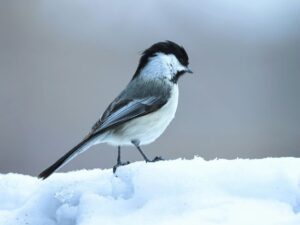
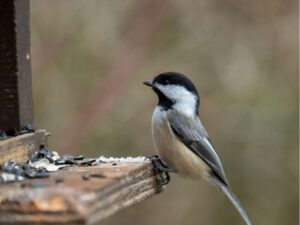
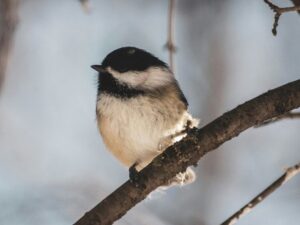
At first I worried the birds might be spooked by the house being so close. Turns out, as long as we moved slowly and didn’t bang on the glass, they adapted just fine. Within a week or two, the chickadees and nuthatches were zipping in and out like they’d always been there.
From our couch, the difference was huge. Suddenly I could see eye rings, little color patches on the wings, the way a bird’s chest puffed up against the cold. My grandkids could point and say, “That one!” instead of just squinting at little shapes far away.
Choosing the right seed for “colorful winter company”
Another change I made was with the food. I’d always bought whatever mixed seed was on sale, thinking it was good enough. I learned by watching which birds showed up—and which ones didn’t—that some seed brings in more interesting colors than others.
These days, for winter color, I keep it simple:
-
Black oil sunflower seed in the main feeder. Cardinals, finches, chickadees, and nuthatches all go for it.
-
Suet cakes with a little peanut mixed in for the downy and hairy woodpeckers, and sometimes a nuthatch.
-
Peanuts in the shell or in a small peanut feeder when I feel like spoiling the blue jays.
Once I started offering those regularly, I noticed more of the brighter birds sticking around instead of just passing through. It kind of turned the backyard into a small winter meeting spot for them.
The living room “bird show” with the grandkids
Some of my favorite winter memories in recent years have been pretty simple scenes: me on one end of the couch, my wife in her chair, and a grandkid or two pressed up against the window, leaving little foggy patches on the glass.
There was one afternoon during a cold snap when the wind chill was down in the “don’t be out here unless you have to” range. The sky had cleared after a light snowfall, and the sun was bouncing off every surface. The snow in the yard looked almost blue in the shadows.
We had our oldest granddaughter over, and I’d promised her we’d go to one of the nearby parks to look for animal tracks. Once I stepped out to warm up the car, the cold hit my lungs in that sharp way it does here, and I thought, “This might be a little much today.” My knees were already aching from shoveling the day before.
So I made a different offer:
“How about we do ‘indoor bird watching’ instead? We’ll count how many different colorful birds we can see from the window.”
She thought that sounded fun, so we set up a couple of pillows and got comfortable.
In less than an hour, we had:
-
A small group of blue jays taking turns grabbing peanuts, flying off, and coming back.
-
A couple of goldfinches, not bright yellow like summer, but softly tinted, especially when they turned just right in the light.
-
A downy woodpecker tapping away at the suet, black and white with that little red spot on the back of the head.
We used a notepad to keep track, drawing simple little marks and using our own names for the birds when she couldn’t remember the real ones—“the red one,” “the loud blue ones,” “the polka-dot woodpecker.”
For a grandparent, that’s about as good as it gets: staying warm, keeping the joints happy, and still sharing something alive and bright with a grandchild. We didn’t go far, but it felt like we’d gone on a small winter adventure together.
Little lessons I’ve learned about window bird watching
I wouldn’t call them rules exactly, but after a few winters of doing this, I’ve picked up some simple things that make it easier for older folks to enjoy birds from indoors.
A few practical tips from my living room
-
Clean the glass once in a while. Sounds obvious, but you don’t notice how much dust and handprints build up until you really try to see details. A quick wipe makes a bigger difference than you’d think.
-
Keep a light pair of binoculars handy. I leave mine on the side table by the couch. I don’t use them all the time, but when something interesting shows up, it’s nice to get a closer look without having to get up and go searching.
-
Think about background. Dark backgrounds, like pine trees or shaded fences, help the bright birds stand out. Moving one feeder in front of our pine made cardinals and blue jays pop against the needles, especially on snowy days.
-
Make refilling easy. The older I get, the more I appreciate short walks and light containers. I use smaller scoops now, even if it means a couple extra trips. Less strain on the back.
A simple checklist for grandparents
If I had to boil it down into something you could jot on a sticky note, I’d say:
-
Bring the feeders closer to the house so you can see color and detail.
-
Use seed and suet that attract cardinals, finches, and woodpeckers.
-
Set up comfortable seats facing the window where you actually like to sit.
-
Keep the path to the feeders safe with salt or sand if you need to step out.
-
Make it a shared ritual when the grandkids visit—count birds, give them silly nicknames, talk about what you see.
Nothing fancy there. Just small adjustments that make this stage of life a little richer without asking too much of your body.
One small change that made the colors really pop
There’s one little change I made that surprised me with how much it improved things: I added a simple branch as a “waiting perch” near the feeder.
I had trimmed a low limb off one of our pines out back. Instead of tossing it, I stuck it upright in the snow near the feeder and secured it so it wouldn’t tip. All I wanted was a place for birds to land before hopping onto the feeder.
Well, that did two pretty nice things:
-
The birds started using the branch as a pre-feeder perch, which meant they sat still a little longer where we could see them clearly.
-
When a cardinal or blue jay settled on that bare branch with the snow behind it, the color really stood out. It turned into a little natural picture frame.
From the living room, that made for some beautiful moments. I remember one late afternoon when the sky had gone soft pink and blue, and a male cardinal parked himself on that branch for a good minute or two. He puffed up against the cold, turning into this bright red ball with a crest, like he was posing just for us.
I might not admit it to the guys at the hardware store, but that sight put a lump in my throat for a second. There’s just something about those bright winter visitors, standing out in all that cold and quiet.
Why these winter birds mean more to me now
At 68, winters feel different than they did when I was young. The snow is heavier than I remember, or maybe I’m just not as strong as I used to be. The driveway feels longer. The nights get to me a little more.
But there’s also more room now—to notice things, to sit still, to appreciate a flash of color on a gray day. I guess I’ve traded some energy for a little more attention.
Living here in Duluth, with the long cold seasons and that big lake just down the hill, you learn to find small anchors that carry you through. For me, watching bright winter birds from our living room window has become one of those anchors. It connects the quiet inside of our house to the lively outside world, even when I’m not up for bundling everyone to go to the park.
When the grandkids are over, and we’re all lined up along the window—me with my coffee, them with their hot chocolate—you can feel time slow down. The house is warm, the glass is cold to the touch, and outside, a cardinal, a blue jay, or a rosy little finch drops in like it’s paying a visit just to us.
If you’re a grandparent up here in Minnesota, or anywhere winter likes to settle in for a long stay, I’d say this: you don’t have to go far to find something beautiful. Put a feeder or two where you can see them from your favorite chair. Offer some simple seed and suet. Give it a little time.
Sooner or later, you’ll look up from your book or your coffee and see a splash of red, or blue, or soft yellow moving against the snow. And in that moment, with the furnace humming, the world quiet, and a grandchild maybe leaning into your side, you’ll feel that calm, steady kind of happiness that comes from knowing you’re right where you’re supposed to be—you, your home in Duluth, and the winter birds keeping you company just outside the living room window.