A Morning Here in Duluth That Got Me Thinking About This
Just the other morning, I stepped out onto my porch before breakfast, wanting to take in a bit of the winter quiet. We’ve had that steady kind of cold here in Duluth lately — not dramatic, just the sort that settles into your coat and reminds you where you live. Lake Superior was sending a low rumble through the neighborhood, and the pine trees in my small backyard looked like they’d been brushed with powdered sugar overnight.
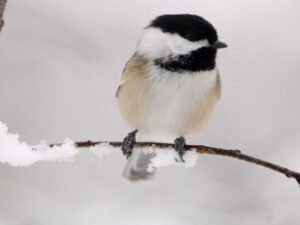
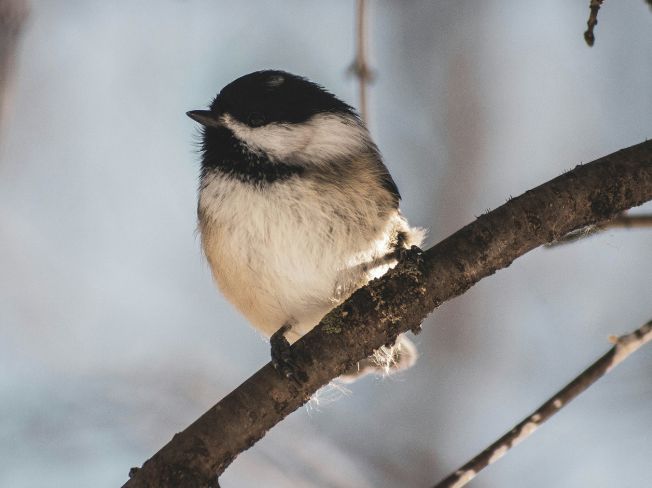
A couple of chickadees were bouncing around the branches, and I reached for my binoculars out of habit. When I slipped the strap around my neck, I felt that familiar tug — just a little bit, but enough to make me think twice. At 68, I don’t crane my neck like I used to, and even a pair of average binoculars can make things feel heavy after a few minutes.
That made me realize how much I’ve changed my routine over the years. These days, I’m always watching for gear that’s easy on the body. I guess I’ve learned the hard way that comfort matters. Folks my age know what I mean — your neck gets stiff, your shoulders complain, and suddenly the hobby you love starts feeling like a chore.
So lately I’ve been paying closer attention to binoculars that feel lighter and kinder on the neck, especially the ones made with softer straps that don’t dig in. It took some tinkering and a few mistakes, but I’ve settled into a pretty good setup that lets me enjoy the birds without feeling sore later.
What I Tried First and How It Turned Out
When I first got serious about birdwatching — or as serious as a laid-back guy like me can get — I bought a pair of binoculars that looked just fine in the store. Strong magnification, sturdy build, and honestly, I thought the heaviness meant quality.
Well, the first time I took them out along the trails near Hartley Park, I realized my mistake. After ten minutes, my neck felt like I’d been hauling lumber. The strap was thin and rough, and the whole thing bounced against my chest every time I took a step.
Back then, I figured the problem was just me getting older. Maybe I wasn’t supposed to carry binoculars around anymore. But later that winter, on a chilly morning when the sun came up slow and hazy, I borrowed a friend’s lighter pair. He’d switched to binoculars made for easier handling — softer strap, lighter body — because his shoulders were bothering him.
The difference was night and day. The lighter pair felt almost effortless. Even with a scarf around my neck, the strap didn’t pinch or dig in. I could raise them up gently, watch the nuthatches hop down the trunk of the big pine, and let my arms rest again without feeling strained. That one morning pretty much changed how I thought about binoculars.
Little Lessons I Picked Up Along the Way
I didn’t learn everything all at once. A lot of it came from small discoveries — things I stumbled into while trying different setups. I guess that’s how it goes when you get older. You take your time, make slow adjustments, and figure out what works for your body now, not the one you had twenty years ago.
Things That Helped Me Choose More Comfortable Binoculars
-
Weight matters more than I realized.
Even a few ounces make a big difference on an older neck. I tested one pair that felt great in my hands but a little too heavy once hanging around my neck for a while. -
A good strap is half the battle.
I didn’t know how much a strap could matter. A wider, softer strap spreads out the weight instead of cutting into your skin. Some are padded, which feels nice on cold mornings. -
Neck shape changes with age.
Sounds silly, but true. The more rounded straps fit comfortably, especially over my winter jacket when the collar sits high. -
Adjustable length keeps things steady.
If the binoculars sit too low, they swing and tug. Too high, and you hunch your shoulders. Finding the right spot made everything easier. -
Grip and handling matter.
If the binoculars are easy to hold, you don’t keep them hanging around your neck as long. I used to force myself to use bulkier ones. Now I go for easy handling.
These little things added up. Bit by bit, I figured out what my neck could tolerate.
How I Made This Work for My Own Backyard
Once I realized comfort mattered more than magnification or fancy features, I started trying different combinations. I’d take a pair out on my porch before sunrise, when the sky gets that pale blue glow we see here in late winter. I’d listen to the wind sweeping down from the lake and wait for the first birds to call. That’s when I’d really notice if something felt too heavy.
One quiet morning, I stood there watching a downy woodpecker inch its way up the maple tree by the fence. I was testing a lighter pair of binoculars I’d picked up on sale. They weren’t top-of-the-line, but they felt good in my hands. The strap was soft and sat nicely across my shoulders, almost like wearing a comfortable scarf.
I must’ve stood there ten minutes longer than usual, just watching that woodpecker tap along the bark. When I put the binoculars down, I realized my neck wasn’t aching. Not even a little. I guess that kind of simple success feels bigger at my age. It meant I could stay outside longer, enjoying the morning without worrying about soreness afterward.
A Small Adjustment That Made a Big Difference
One thing that surprised me was how much the strap placement changed everything. For years, I wore binoculars the same way — strap straight down, weight pulling on the back of my neck.
A younger neighbor showed me a trick: widen the strap over the collarbone so the weight spreads out instead of hanging on one point. I felt a little silly learning something so basic from someone thirty years younger, but to be honest with you, it helped quite a bit.
Now when I walk through Lester Park or even just sit out back, the binoculars rest naturally, without that tug that used to bother me. Makes birdwatching feel comfortable again — almost effortless.
What Older Folks Might Want to Look For
I’ve talked with other seniors around here — folks from church, neighbors, a couple people I run into near the lake trails — and we all seem to agree that good binoculars don’t need to be complicated. They just need to be gentle on the body.
Here are a few things worth keeping in mind:
-
Go lighter than you think. Your neck will thank you later.
-
Pick a strap that feels soft right away. If it scratches your neck in the store, it won’t feel better outside.
-
See how the binoculars sit when you move. If they swing too much, adjust the length.
-
Try them with your jacket. Winter gear changes the way things fit.
-
Choose something easy to grip. Less strain on your hands means less strain everywhere else.
Nothing fancy — just simple considerations that make a big difference for us older folks.
Why This Matters More to Me Now at My Age
When I was younger, I could carry just about anything on my shoulders without thinking about it. Tools, camera bags, even a heavier pair of binoculars — none of it mattered. These days, though, I’m more careful. My pace has slowed, and I pay attention to the little aches and twinges that show up if I’m not mindful.
Birdwatching brings me a kind of peace I didn’t always know I needed. I step out onto the porch, feel the cold air hit my face, and listen for that first bright call of a chickadee. I don’t want soreness to pull me out of that moment. Comfort keeps the hobby enjoyable. It keeps me outside, moving gently, taking in the small beauties of the day.
A Quiet Reflection to End On
Living in Duluth, with Lake Superior humming in the distance and the pine trees swaying through long winters, I’ve learned to appreciate anything that helps me linger a little longer with the birds. A comfortable pair of light binoculars may seem like a small thing, but it lets me step outside each morning without worrying about what my neck will feel like later.
If you’re getting older and wondering how to keep enjoying this hobby without strain, I’d say try something gentle — something that feels good the moment you put it on. You don’t need to lift heavy gear to feel connected to the world outside your window. Sometimes, the easiest tools are the ones that keep you curious, steady, and willing to step out into the cold just to see who’s visiting the yard.
Pretty nice way to start the day, if you ask me.