This morning in Duluth I opened the back door just a crack to see what kind of day we were dealing with. That’s how I do it in December. You don’t swing the door wide like it’s July, because winter will remind you who’s in charge.
The air had that dry, sharp cold, and there was a light wind coming off Lake Superior that made the porch feel colder than it looked. The sky was still kind of dim, even though it was already morning. This time of year the sun takes its time, and you learn to appreciate whatever light you get.
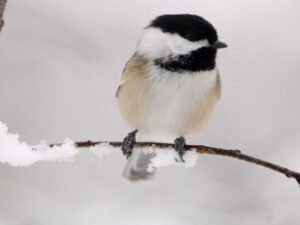
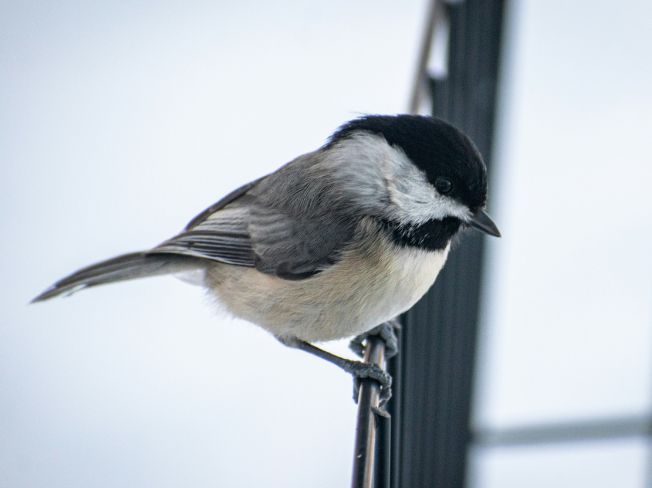
I stepped out anyway, just for a short break, because I’d been watching the feeder from the kitchen window and I saw a couple chickadees bouncing in and out like little wind-up toys. I wanted a closer look, but I also knew my knees weren’t interested in any long standing around.
That’s when I noticed something I didn’t used to pay attention to: if the chair out on the porch isn’t the right kind of chair, I don’t stay out there. I head right back in. And I miss the good moments.
So I started thinking more carefully about what makes a folding chair actually comfortable for an older body—especially for knees that complain when you stand too long or try to get up from something too low.
A Morning Here in Duluth That Got Me Thinking About This
Winter up here has a certain stillness. The neighborhood streets get quieter after a snowfall. The pine trees look heavier. Everything feels muffled, like the snow absorbs the sound. Some mornings there’s a little fog, and the whole block looks soft around the edges. Other mornings it’s bright and crisp, and the cold feels like it’s sparkling.
I like sitting outside in short stretches, even in winter. Not for an hour or anything. Just enough to hear the birds and feel the air. A downy woodpecker tapping on suet, a nuthatch scooting down the trunk headfirst, that little squeaky “dee-dee-dee” from the chickadees—those sounds make the day feel alive.
But I’m 68 now. My pace has slowed down, and my knees don’t love long standing. If I’m going to take outdoor breaks through a Duluth winter, the chair matters more than it used to. And it’s not about luxury. It’s about practicality. A chair can be the difference between a “pretty nice” ten-minute break and a stiff, grumpy two-minute one.
What I Tried First and How It Turned Out
I’ll be honest with you—I bought the wrong kind of chair first.
Years back I grabbed one of those low folding camp chairs, the kind folks bring to kids’ games. It looked comfortable enough in the store. Soft fabric, cup holder, folds up small. I figured I’d keep it on the porch and use it whenever I wanted to watch birds.
The first time I sat in it, it felt okay for about thirty seconds. Then my knees started talking to me. The seat was low, and my legs were bent too tight. Getting up was the worst part. I had to rock forward like I was trying to launch a boat. I stood up and felt that little knee sting that says, “Don’t do that again.”
I still used it for a while because I’m stubborn in that quiet Midwestern way. I kept thinking I’d get used to it. I didn’t. What happened instead was simple: I stopped sitting outside as much.
That chair didn’t fit my life anymore.
And it’s funny—when you’re younger, you barely notice things like seat height. When you’re older, you notice everything. The angle of your hips, the way your knees feel when you stand, how your hands grip the armrests. All of it matters.
The Change I Made That Actually Helped
One afternoon after lunch, I decided I was done wrestling with that low chair. I brought it into the garage and started looking for something that would make outdoor breaks easier on my knees. I wasn’t trying to turn it into a big shopping mission. I just wanted a folding chair that felt gentle and supportive.
I ended up trying a few different styles—borrowing one from a neighbor for a quick sit, testing another one at a store, paying attention to the “get up” moment as much as the “sit down” moment.
And here’s what I learned: for aging knees, the best chair isn’t always the one that feels cushiest at first. It’s the one that supports you when you stand back up.
What improved right away
Once I switched to a chair with a slightly higher seat and a real backrest that didn’t sag, I stayed outside longer without thinking about my knees every second. I watched the feeder with less fidgeting. I felt calmer.
That surprised me a little bit. I expected it to be “just a chair.” But it changed how I used the porch. I took more small breaks. I noticed more birds. I didn’t rush.
What didn’t work like I expected
I tried a chair that was high enough, but the fabric was tight and stiff in the cold. In winter, some materials feel like a frozen tarp. It held me up fine, but it wasn’t cozy. I didn’t look forward to sitting in it.
So I started paying attention not just to height, but to softness that still holds its shape—something supportive, not saggy.
Little Lessons I Picked Up Along the Way
A folding chair sounds like a small decision, but it’s one of those small decisions that affects your day. If you’re choosing one for porch breaks, backyard birdwatching, or even a short sit at a neighborhood park, here are the things I’d tell another older friend.
A good chair for older knees usually has these traits
-
A seat that isn’t too low
Low seats make your knees work harder. A slightly higher seat means less strain when you stand. -
A backrest that feels supportive
Not a floppy sling that dumps you backward. You want something that holds you upright without effort. -
Some softness without sinking
Soft is nice. Sinking is not. If the chair “hammocks” too much, it can be tough on hips and knees getting up. -
Arm support you can actually use
Armrests aren’t just comfort. They help you stand up smoothly. Even modest armrests can make a big difference. -
A steady, confident feel on the ground
In winter, porches can get a little slick. You don’t want a chair that wobbles or slides.
A quick “try it at home” test I do now
When I test a folding chair, I don’t just sit once and say, “Feels good.” I do a little routine:
-
Sit down slowly and see if my knees feel crowded.
-
Lean back and check if the backrest supports me.
-
Put my feet flat and stand up without rocking.
-
Repeat once more, because the second time tells the truth.
If I have to rock forward or push off weirdly, I know it’s not the one.
How I Made This Work for My Own Porch and Backyard
My porch in winter is a practical space. I’m not decorating it for a magazine. I’m setting it up so I can step outside, take a breath, and watch birds without paying for it later.
So I keep my chair in a sheltered spot, close to the door. I also keep a small cushion nearby—nothing fancy, just something to take the edge off the cold seat on really chilly mornings. Cold can make your joints feel stiffer, and I don’t need extra stiffness if I can avoid it.
I also learned to think about where the chair faces. If I’m going to sit, I want a clear view of the feeder and a little bit of the yard. I don’t want to twist my body to see. Twisting is one of those sneaky things that feels fine in the moment and then shows up as soreness later.
My simple porch setup looks like this
-
Chair placed so I can see the feeder and the tree line
-
Small cushion or folded blanket for warmth
-
A thermos mug so I’m not rushing back in
-
A clear path from the door so I’m not stepping over snow piles
And that’s it. The goal is “easy.” If it’s easy, I use it. If it’s complicated, I don’t.
A Few Chair Features That Matter More in a Duluth Winter
Winter adds a couple extra wrinkles to the chair question, especially near the lake where wind and moisture like to show up uninvited.
Fabric that behaves in cold weather
Some chair fabrics get stiff when it’s cold, and some stay flexible. If a chair feels like it’s turning into a board in winter, you’ll avoid it. A slightly softer material—still supportive—makes outdoor breaks feel inviting instead of punishing.
Feet that don’t slip around
Porch boards can get slick. Packed snow can get polished. Even a tiny bit of ice can make things slide. I like a chair that has feet that grip reasonably well, or at least doesn’t feel like it wants to scoot.
Weight you can carry without grumbling
A sturdy chair can be heavier. That’s fine, but you don’t want something that feels like hauling a sack of concrete. If I can move it with one hand and not strain, I’m more likely to put it where I want it.
Folding mechanism that doesn’t pinch or fight you
This is a big one for older hands. If the chair folds like a puzzle and bites your fingers, you’ll dread it. A smooth fold matters. Simple matters.
Birdwatching Breaks and Why the Chair Changes the Whole Experience
Here’s the thing I didn’t expect: the right chair made me more patient.
When I’m comfortable, I sit quietly. When I sit quietly, birds act natural. They hop in like they’re not being watched. Chickadees come closer. Nuthatches do their funny little upside-down routines. A woodpecker settles in and works the suet without rushing.
When I’m uncomfortable, I shift around. I stand up too soon. I go back inside. And I miss those small moments that make winter feel less long.
A chair is a simple tool, but it supports a whole routine. It helps you take breaks outside even when your knees aren’t perfect and your energy is a little limited. It helps you build a habit of noticing.
And I guess that’s what I’m after these days. Not big adventures. Just steady, quiet noticing.
Why This Matters More to Me Now at My Age
When I was younger, I didn’t plan my comfort. I just went out and did whatever needed doing. If something hurt, I ignored it. If I was tired, I pushed through. That was the mindset.
Now I’m older, and I’ve learned that pushing through isn’t always brave. Sometimes it’s just unnecessary.
I like my outdoor breaks. I like stepping onto the porch, hearing the wind in the pine trees, seeing the soft winter light on the snow. I like the way the neighborhood quiets down when the day gets cold. I like the little signs of life—the birds, the tracks, the movement.
A good chair makes those moments accessible. It turns “maybe I’ll go out” into “sure, I can do ten minutes.” It takes pressure off the knees and lets the mind settle.
A Quiet Closing Thought From a Winter Porch in Duluth
Later in the day, when the light fades early like it does in December, I’ll often take one more short sit outside. The air will be colder then. The wind might be sharper. Sometimes you can hear Lake Superior in the distance in a way you don’t in summer—like the whole landscape is quieter, so the lake gets a little louder.
I’ll sit in that chair, back supported, knees not cramped, feet planted steady. I’ll watch the feeder for a few minutes and catch those small winter regulars doing their rounds. Then I’ll head back in, warm up, and feel glad I didn’t make it harder than it needed to be.
If you’re older and your knees are aging right along with you, I’d encourage you to pay attention to the chair you’re using. It’s not a silly detail. It’s one of those practical choices that lets you enjoy the outdoors in a gentle way—without turning a peaceful break into a struggle.
And on a cold Duluth winter day, with the sun taking its time and the birds still showing up anyway, a comfortable seat can make those quiet moments feel a little more yours.