
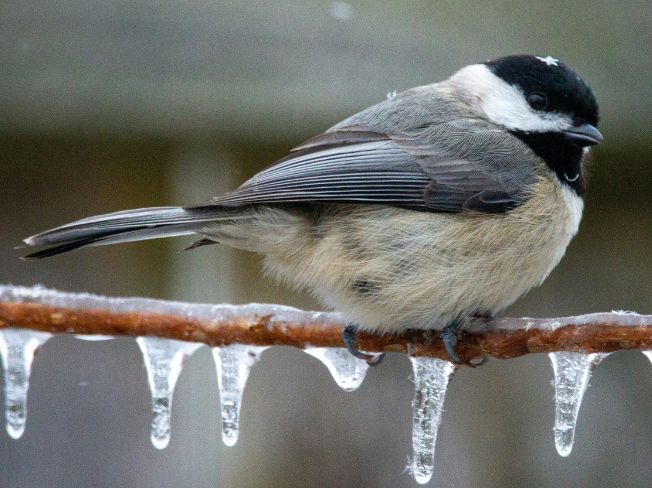
Folks ask me how to keep feeding the birds when the knees start arguing back. If you’re aiming for easy refills with less bending, you’re in good company—because the older I get, the more I care about anything that saves my back and my patience. A suet feeder sounds like a small thing, but it can be the difference between “I’ll do that later” and actually keeping the routine going.
Here’s what I’ve learned from trying a few styles in a regular Midwestern backyard setup—hung from a fence hook near a window, close enough to enjoy the show without turning it into a project. Suet is one of the simplest ways to bring in reliable visitors like woodpeckers and nuthatches, especially when the seed feeder gets ignored. The trick is choosing a feeder that doesn’t make you crouch, wrestle latches, or drop greasy blocks onto your shoes.
Start with the “less bending” checklist
If your goal is easy refills with less bending, you’re not really shopping for “the best feeder.” You’re shopping for the easiest habit. Here’s the short checklist I wish I’d followed sooner:
-
Refill height: Hang it where your hands naturally land—around chest level for most folks, roughly 48–60 inches off the ground.
-
One-handed access: Look for a door or lid you can open with one hand while the other holds the suet.
-
Big, simple latch: Avoid tiny hooks that demand fingertip strength. If your grip gets tired, you’ll resent it fast.
-
Stable hanging: A feeder that spins wildly makes you chase it around like you’re playing keep-away.
-
Easy to clean: If it looks like a pain to scrub, it’ll stay dirty longer than it should.
Comfort beats fancy every time. If it’s easy, you’ll refill it. If it’s fussy, it becomes yard clutter.
The main feeder styles, compared for easy refills
You’ll see a handful of common designs at hardware stores, farm-and-home places, and online. Here’s how they shake out when the goal is less bending and fewer headaches.
1) Classic wire cage (single block)
-
Pros: Cheap, common, lightweight, easy for clingers (woodpeckers, chickadees).
-
Cons: Some have fiddly latches; can swing around; suet can crumble out if the cage is loose.
-
Best for: Simple setups and folks who don’t mind a little movement.
2) Hinged “clamshell” cage with side latch
-
Pros: Often opens like a book; refill can be quick if the latch is big.
-
Cons: If the hinge gets bent, it never closes right again.
-
Best for: Easy refills when built sturdy.
3) Tail-prop feeder (designed for woodpeckers)
-
Pros: Woodpeckers brace their tail; very stable; great viewing.
-
Cons: Some models require threading a pin or bending a clip—annoying with stiff fingers.
-
Best for: Folks who mainly want downy and hairy woodpeckers, plus red-bellied woodpeckers.
4) Suet log (drilled holes in a wooden cylinder)
-
Pros: Stays tidy; doesn’t drip as much; looks nice.
-
Cons: Refilling can be messy unless you use a caulk-gun-style suet paste tube; cleaning holes takes effort.
-
Best for: People who like a cleaner look and don’t mind occasional maintenance.
5) Upside-down suet feeder (to discourage starlings)
-
Pros: Helpful if European starlings bully everything; clingers can still feed.
-
Cons: Slightly harder to load; some birds take time to learn it.
-
Best for: Starling-heavy yards.
If I had to pick purely for easy refills with less bending, I’d start with a sturdy hinged cage or a tail-prop—as long as the latch is simple and doesn’t require finger gymnastics.
My wrong try and what it taught me
I once bought a “clever” feeder with a tiny spring latch and a decorative roof. It looked like something you’d see in a catalog. In real life, it demanded two hands, a twist, and the patience of a safecracker. With my knees being what they are, I’d set it too low at first—then I’d crouch, fight the latch, and finally stand up with that little knee-stab reminder that I’m not 40 anymore.
What it taught me was simple: the latch matters more than the look. If opening it feels like a puzzle, you will put off refilling it. A feeder should feel like a light switch—no thinking.
A quick routine that makes refills painless
This is the routine I recommend if you want it to stay easy. No heroics, no mess, no bending.
-
Hang it at a comfortable height
Pick a hook on a fence post, shepherd’s hook, or a bracket near a window. Aim for chest level. You want to stand straight, not squat. -
Use a small tray or bucket for the suet
Carry the new block out in a little plastic container. That way if it crumbles, you’re not scraping greasy bits off the driveway. -
Open, load, close—then a quick tug
Open the door, slide the block in, close it, and give it a gentle tug to confirm it’s latched. A raccoon will test it later, so you might as well test it now. -
Wipe your hands right away
Keep a rag in the garage or by the back door. Suet on doorknobs is a fast way to annoy yourself. -
Check once midweek
You don’t need to hover. Just a quick look every few days from the window tells you if it’s gone or if it’s getting ignored.
One habit that helps a lot: keep spare suet blocks where you can reach them without bending—waist-high shelf, not the bottom of a cabinet.
Pitfalls that make a “simple” feeder frustrating
Even a good feeder can turn into a nuisance if a few details are off.
-
Too low = more bending: It’s tempting to hang it low “for the birds.” The birds don’t care. Your knees do.
-
Too close to a jump-off point: If it’s right next to a thick fence rail or a low branch, squirrels treat it like a snack bar.
-
Weak latch: Raccoons are basically little locksmiths with thumbs. If your latch is flimsy, they’ll win.
-
Hot placement: Suet can soften and leak if it bakes in direct sun. A bit of shade helps keep it neat.
-
Buying the cheapest refill every time: Some bargain blocks crumble like dry cornbread. A slightly better one stays put longer.
The good news is you can fix most of these without buying a whole new setup.
Troubleshooting: 5 common problems and easy fixes
Here are the issues I see most often—and the practical fixes that don’t require a ladder or a weekend project.
1) The feeder swings too much
-
Fix: Add a short bungee or a second attachment point so it can’t spin wildly. Or switch to a tail-prop style that stays steady.
2) Birds ignore the suet
-
Fix: Try moving it 6–10 feet to a quieter spot near cover, like a shrub line, but still visible from your window. Also, give it time—sometimes it takes a week for chickadees and nuthatches to “discover” it.
3) Squirrels raid it daily
-
Fix: Put it farther from launch points and consider a simple squirrel baffle on the pole. If you can’t win, choose a hotter “no-melt” style suet cake that’s harder for them to tear apart.
4) Starlings take over
-
Fix: Use an upside-down design or a feeder with a cage that limits access. Woodpeckers and nuthatches can cling in ways starlings struggle with.
5) Raccoons open the latch at night
-
Fix: Bring it in overnight for a week or two to break the habit, or add a simple carabiner clip to the latch. It’s a small step that saves you from waking up to an empty cage.
Real backyards have real critters. If squirrels and raccoons show up, it’s not a failure—it’s just the neighborhood.
Comfort upgrades that feel like cheating
If you’re dealing with tired legs or a cranky back, small upgrades can make the whole thing feel effortless.
-
A hook you can reach without stretching: A sturdy bracket on a fence post is easier than a tall shepherd’s hook.
-
Magnetic or oversized latch add-ons: Some folks attach a bigger pull tab (even a short loop of cord) so they don’t have to pinch small metal parts.
-
A dedicated refill kit: A small bin with suet, a rag, and a pair of thin work gloves. You grab one thing and you’re done.
-
A second feeder: Two smaller feeders can be easier than constantly refilling one that empties fast.
I’ll admit it: I changed my mind and moved the hook twice before it felt right.
If grip strength is part of the equation, prioritize feeders with a latch you can operate using the side of your thumb instead of fingertip pinching.
Money and time trade-offs: what’s worth paying for
You don’t have to spend much, but spending a little in the right place can buy you a smoother routine.
-
Basic wire cage: Usually $6–$15. Works fine if the latch is decent.
-
Sturdier hinged cage or tail-prop: Often $15–$30. Worth it if you refill often and want less fiddling.
-
Specialty designs (starling-resistant, decorative, heavy-duty): $25–$45. Helpful for specific problems, not necessary for everyone.
Where I’d spend the money: a solid latch and sturdy hinge. Where I wouldn’t: fancy roofs, cute paint, extra gimmicks. Birds care about calories and safety, not décor.
Why suet works so well for common backyard birds
Suet is high-energy food. That’s why it pulls in birds that sometimes ignore seed—especially the clingers and the insect eaters.
You’ll often see:
-
Downy woodpecker and hairy woodpecker (similar look, different size)
-
Red-bellied woodpecker
-
White-breasted nuthatch (the one that scoots headfirst down the trunk)
-
Black-capped chickadee
-
Tufted titmouse
-
Carolina wren (bold little voice for a small bird)
A simple feeder gives them a dependable stop. When you place it at an easy height near where you can watch—through a kitchen window, near a deck rail, or along a fence line—it becomes a low-effort daily pleasure. And if you keep it secure, you’re not feeding half the mammal population along with the birds.
Ending: keep it simple, keep it kind to your body
If you’re choosing a feeder with easy refills and less bending in mind, you’re making a smart decision—because the best backyard setup is the one you’ll actually use. Start with a straightforward design, hang it at a height that lets you stand tall, and set yourself up so refills take one minute, not ten.
You don’t need the perfect product. You need a setup that respects your knees and your hands. Once you get that part right, the birds do the rest: they show up, they bring motion to the yard, they turn an ordinary day into something a little more interesting. If you run into squirrels, starlings, or the occasional raccoon, treat it like part of the story, not a reason to quit.
Make the next refill easy. Then make the one after that even easier. That’s how a simple feeder turns into a steady, satisfying routine.