A Winter Evening on the Patio Here in Duluth
The other evening I did something I probably should have known better than to do, but I did it anyway. I hauled my old patio chair out from under the little overhang by the back door and set it where I could see the feeders and the tops of the pine trees. It was late afternoon in December, which up here is pretty much the same as evening. The light was already draining out of the sky, and the air had that sharp bite we get in Duluth when the cold settles in for the long haul.
Lake Superior was just a darker band off in the distance, hidden behind the houses, but I could feel the kind of cold that comes from that direction. It has its own personality, you know what I mean. Even on a quiet day, the air feels just a little more serious when it’s rolling in from the lake.
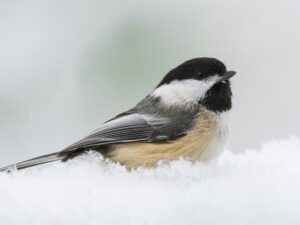
I had my mug of hot tea, my hat on, and my regular winter coat zipped up. I figured, “I’ll just sit for ten minutes and watch the chickadees make their last runs to the feeder before the dark.” The snow in my small backyard had that soft blue tint, and the pine branches were holding little caps of powder. A downy woodpecker was working the suet like it was punching a time clock. A couple of juncos hopped under the feeder, doing their little sweep-the-floor routine in the snow.
For a few minutes, it felt pretty nice. The sky over the neighborhood park a block away went from pale gray to a faint purple, and the first streetlights clicked on along the quiet residential streets. The birds started to settle down, but every so often, one last chickadee would dart in and grab a seed before disappearing into the evergreens.
Then I felt it—the chill creeping in around my shoulders and upper back. My legs were fine, my hands were okay wrapped around the mug, but my shoulders started to feel like someone had opened a small window back there. The coat itself was warm enough if I was moving, but sitting still on an open patio chair at dusk, not so much. I told myself I’d stay out “just a little bit longer,” the way we all do, and of course, I stayed until my teeth were almost chattering.
As I went back inside, I thought, “There’s got to be a better way to do this. I don’t need more bulky gear, I just need something light over my shoulders so I can enjoy the birds without shivering half to death.”
That was the start of my little mission: finding a simple shoulder wrap that works for older folks like me who want to sit outside and watch birds when the day is fading and the temperature drops.
What I Tried First and How It Turned Out
Like most people my age, I didn’t run out to buy anything right away. I went shopping in my own house first.
The first thing I tried was an old fleece blanket from the living room. I dragged it out to the patio, sat down in my chair, and wrapped it around myself like a cocoon. It worked, sort of. My shoulders were warm, but the blanket kept slipping down. Every time I lifted my binoculars, or even just reached for my tea, the whole thing shifted. I’d tug it back up, it would bunch around my waist, and I ended up more annoyed than comfortable.
Next, I tried layering up with a heavier coat. I put on my regular jacket and then added a bulky parka over it, thinking more must be better. That was a mistake. Sitting in that open chair with all that weight on my shoulders made me feel like a turtle stuck in its shell. I couldn’t move my arms easily, and the extra bulk around my neck and chest made it awkward to lift the binoculars. I started sweating a little under all that, but my upper back still cooled off once I’d been sitting for a while.
One evening, I threw on a thick sweatshirt under my coat instead. That helped a bit, but the problem was still the same: once the sun dipped and the light out over the neighborhood got soft and dim, the air temperature dropped just enough that my shoulders started complaining first.
That’s when it kind of clicked for me. I didn’t need more “everywhere” warmth. My legs, hands, and chest were fine. I needed something that focused on that upper back and shoulder area, that spot that gets you when you’re sitting still watching the last chickadees of the day.
So I dug around in my closet and found an old light wool shawl that had belonged to my late wife. It wasn’t big enough to use as a full blanket, but as I held it up, I thought, “You know, this might be just right over the shoulders.”
I took it outside that next dusk, laid it over the back of the patio chair, sat down, and then just pulled it around my upper body like a cape. I left my regular winter coat on, zipped up, and let the shawl rest on top of it, mainly across my shoulders and upper arms.
The difference was surprising:
-
My shoulders stayed warm instead of slowly freezing.
-
I could move my arms freely, lift my binoculars, reach for my mug.
-
The fabric was light enough that I didn’t feel weighed down.
For the first time in a while, I sat out there for a good twenty minutes at dusk without doing that little shoulder hunch we older folks do when the cold sneaks in.
Little Lessons I’ve Learned About Staying Warm at Dusk
After a few weeks of using that shawl and trying a couple of other wraps, I started to notice what really matters when you’re choosing something light for your shoulders. These aren’t expert rules or anything, just the kind of things you figure out slowly when you’re 68 and trying to enjoy the birds without paying for it later.
Where the Chill Really Hits
When you’re sitting in an open patio chair in a Minnesota winter, the cold doesn’t always hit where you expect. For me, it tends to start:
-
Across the tops of my shoulders
-
On the back of my neck, where the scarf and coat don’t always meet
My legs are okay as long as I’ve got decent pants on and maybe some long underwear. My hands do pretty well with light gloves or just a hot mug. But once that cold air settles around my shoulders, it feels like it slowly leaks inward and makes everything stiff.
A light shoulder covering turns out to be perfect for that kind of chill. You’re not trying to dress for a snowstorm hike. You’re dressing for sitting still with a bit of wind sneaking around the edges.
What Makes a Wrap Work for Older Birdwatchers
From my little experiments, here’s what I’ve found actually helps:
-
Lightweight fabric: Something like soft wool, fleece, or a thick knit that’s warm without feeling heavy. If it drags your shoulders down, you’re not going to enjoy it.
-
Good shoulder coverage: Wide enough to cover from upper arm to upper arm, not just a narrow scarf. You want that whole top area wrapped.
-
Easy on, easy off: At this age, I don’t want to wrestle with straps or buttons. Something you just drape over and adjust with your hands is ideal.
-
Not too slippery: If it slides off every time you move, you’ll spend the whole evening fussing with it instead of watching birds.
I also realized it doesn’t hurt if the wrap looks decent. I’m not out there for a fashion show, but there’s something nice about a piece of clothing that feels like it belongs in your life, not like some medical contraption.
A Simple Shoulder Wrap Routine That Works for Me
These days, when I plan to sit out on the patio toward dusk, I have a little routine I go through. It’s not complicated, but it keeps me from cutting things short just because I’m cold.
First, I check the sky. In December, the sun sinks early, and the light goes from gray to purple surprisingly fast. On clear evenings, you get that bit of pink over the rooftops and the pine tops. If it’s windy from the direction of the lake, I can feel it on my face right away when I step out. If the air is still, I know I can probably stay out longer.
Then I get myself ready:
-
Base layers: Regular clothes plus a warm sweater.
-
Outer layer: My normal winter coat, zipped up but not overly tight.
-
Neck: A soft scarf, loosely wrapped so I can still move my head and look up at the trees.
-
Hands: Light gloves or fingerless mitts if I’m going to be fiddling with binoculars.
-
Wrap: The light shawl or shoulder wrap goes on last, draped over everything.
I usually fold the wrap in half the long way, set it on the back of the patio chair, then sit down and pull it around my shoulders. That way I’m not trying to fix it while I’m still standing on the cold concrete.
Once I’m settled, I take a minute to notice a few things:
-
The sound of any traffic from the nearby streets fading as folks settle in for the night.
-
The wind in the pine branches at the back of my yard.
-
The last calls of chickadees and nuthatches as they wrap up their day.
It doesn’t take long before the birds do their usual evening routine. They move a little less, eat a bit more quickly, then vanish into the trees and shrubs. Sometimes I catch a cardinal slipping into a darker corner of the yard, that last flash of red before it disappears. Other times it’s just the juncos and sparrows doing their final hops.
What I notice now is that with that light wrap, I’m paying attention to the birds instead of my shoulders. I’m not sitting there thinking, “Boy, I’m starting to freeze; I should go in.” I’m thinking, “All right, one more minute, let’s see if that woodpecker shows up again.”
It’s a small change, but it makes the whole experience feel calmer and more comfortable.
A Few Simple Tips for Choosing a Wrap
If you’re a grandparent, or just an older person who likes to sit outside and watch the birds from a chair, you might find some of this helpful. Here are a few things I’d suggest, based on my own trial and error.
What to Look For
-
Not too heavy: You want warmth without weight. Something that feels like an extra sweater, not a blanket you’d put on a bed.
-
Soft on the skin: Rough fabric on your neck or shoulders gets old fast. Even over a coat, you can feel it.
-
Easy to wash: Between wind, bird seed dust, and the occasional tea spill, it’s going to get dirty. Make sure you can toss it in the wash without worry.
-
Generous width: Enough to cover both shoulders with a bit hanging down in front and back. Too small, and it’ll just bunch up.
What to Avoid
-
Tiny shawls or skinny scarves: They leave gaps where the cold sneaks in.
-
Very slippery materials: They slide off your coat every time you shift in the chair.
-
Complicated buttons or clasps: They’re a hassle with cold fingers, especially at dusk.
A Little “Dusk Sitting” Checklist
When I’m getting ready for a short birdwatching session on the patio in winter, this is basically my checklist:
-
Safe, sturdy patio chair (nothing wobbly on ice).
-
Hat, scarf, and light gloves.
-
Normal winter coat.
-
Light shoulder wrap ready on the back of the chair.
-
Binoculars, if I’m in the mood.
Nothing on that list is fancy, but together they make the difference between a five-minute shiver and a comfortable half hour.
Why These Small Comforts Matter More Now at My Age
At 68, I don’t need grand adventures to feel like I’ve had a good day. A quiet half hour on the patio at dusk, watching birds make their last visits to the feeder and listening to the wind move through the trees, is more than enough.
Winters in Duluth are long. The daylight is short. Some afternoons feel like evening by three or four o’clock, and it can be easy to just stay inside and watch television until bedtime. I’ve done that too, believe me. But every time I nudge myself to step out on the porch or sit in that patio chair for a little while, I feel better afterward. More grounded, I guess you’d say.
Having a simple, light wrap for my shoulders might not seem like much. It’s just one more piece of fabric in a house full of sweaters and blankets. But what it really gives me is time—comfortable time. It buys me those extra few minutes outside, just as the sky over the neighborhood fades and the last birds settle in. It keeps my body from complaining so loudly that I miss the quiet show happening in my own small backyard.
If you’re older, or you’ve got parents or grandparents who like to sit outside and watch the birds, it might be worth helping them find a piece like this. Something light, easy, and warm around the shoulders can turn a chilly, rushed sit into a calm little ritual at the end of the day.
These days, when I wrap that shawl around myself and settle into the patio chair, I can feel my body relax instead of brace for the cold. I listen for the soft tap of a woodpecker, the thin call of a chickadee, and the distant hum of the city as it quiets down for the night. The sky over Duluth slips into that deep evening blue, and I’m warm enough to stay a bit longer, just being one more old guy enjoying the small comfort of birds and a good wrap on a winter dusk, you know what I mean.