A Quiet Duluth Morning Looking Out the Window
The other morning here in Duluth, I woke up before the sun, which isn’t hard to do this time of year. In December the daylight takes its sweet time getting started, and the house feels dim and quiet for a good while.
I shuffled into the living room, wrapped in my old flannel robe, and sank into my usual spot on the sofa by the big front window. The furnace had just kicked on with that soft humming sound, and I could see a little fog on the glass where the warmer air inside met the cold from outside.
Out in the yard, everything was covered in that steady winter snowpack we get up here—nothing dramatic, just a well-worn white blanket on the lawn, the birdbath, and along the fence. I could tell the wind was coming off Lake Superior again because the snow on the driveway had been pushed into little ridges overnight and the pine branches at the back of the yard were swaying just a bit.
I took my first sip of coffee and thought, “I’m not going anywhere for a while.” At 68, I move a little slower anyway, and on a cold Duluth morning like that, I’m perfectly happy to sit on the sofa and let the world come to me.
Then a flash of red cut across all that white. A male cardinal landed in the lilac bush just outside the window, bright as a Christmas ornament. A few seconds later, a blue jay hopped down to the tray feeder, that strong blue and white standing out against the snow. A couple of chickadees were already zipping back and forth from the feeder to the nearby spruce, like they’d been up for hours.
Sitting there on the couch, coffee in hand, I realized how many colorful winter birds you can see without even putting on your boots. For folks our age—grandparents who’d rather stay warm and steady on our feet—that’s a pretty nice way to enjoy the season, you know what I mean.
What I Wanted to See from the Sofa
When I first retired, I kept thinking I needed to go somewhere to see birds. Drive to a park, walk a trail, get down near the lake. And those things are still nice when the sidewalks aren’t pure ice and my knees are behaving.
But the truth is, as the winters have piled up, I’ve started looking for easier ways to enjoy the same simple pleasures. There are days when my back is stiff, or the front steps look a little too slick, or the wind is so sharp that my eyes water just opening the door. On those mornings, the idea of staying inside and watching birds from the living room feels pretty smart.
The problem was, at first I couldn’t see much. The feeders were too far away, the window was smudged, and my old eyes weren’t quite up to the job. I’d sit there and say,
“I think that’s a finch,”
and my wife would lean over and answer,
“Could be. Could be a leaf too.”
So I started asking myself some simple questions:
-
Which birds stay around Duluth all winter and actually bring some color to the snow?
-
How close do the feeders need to be so someone our age can see them clearly from the sofa?
-
Is there a way to set everything up so even when the grandkids are visiting, they can spot the birds too, without crowding out onto an icy deck?
I didn’t figure it out overnight. But piece by piece, I made little changes that turned our living room into a comfortable winter “bird-watching lodge,” without ever leaving the house.
The Colorful Regulars Outside My Window
Once I got things set up better (I’ll talk about that in a minute), I realized we’re pretty lucky up here when it comes to bright winter birds.
I’m no scientist, so I won’t give you a long list. But there are a handful of familiar faces that really light up the yard, even when the sky is gray and the snowbanks are high.
Northern Cardinals – The Red That Never Gets Old
That male cardinal is the one that always makes me catch my breath a little. The red looks almost unreal against fresh snow, especially when the light is just coming up and the world is still that soft blue-gray.
From the sofa, I can see:
-
His bright crest, sticking up like he’s always curious.
-
The black mask around his face.
The females are quieter in color—more tan with warm touches of red—but once you know what to look for, they’re easy to recognize too. When a pair shows up together, it feels like a little winter couple out for breakfast.
Blue Jays – Loud, Flashy, and Fun
To be honest with you, I have mixed feelings about blue jays. They’re beautiful—the kind of blue you don’t see much in winter—and they’re smart. But they can be a bit pushy at the feeder.
Still, from the living room, I enjoy watching them:
-
That strong blue and white pattern.
-
The way they announce themselves with a loud call, as if they’re saying, “I’m here now, everyone make room.”
-
Their habit of grabbing a peanut or sunflower seed and flying off to a nearby tree to work on it.
When the grandkids visit, the jays are often the birds they notice first. “Papa, look at that big blue one!” they say, pressing their noses to the glass.
Chickadees and Nuthatches – Small but Full of Life
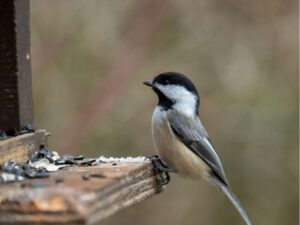
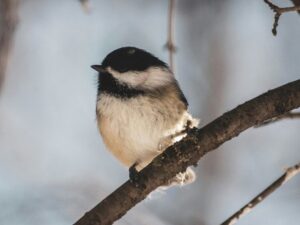
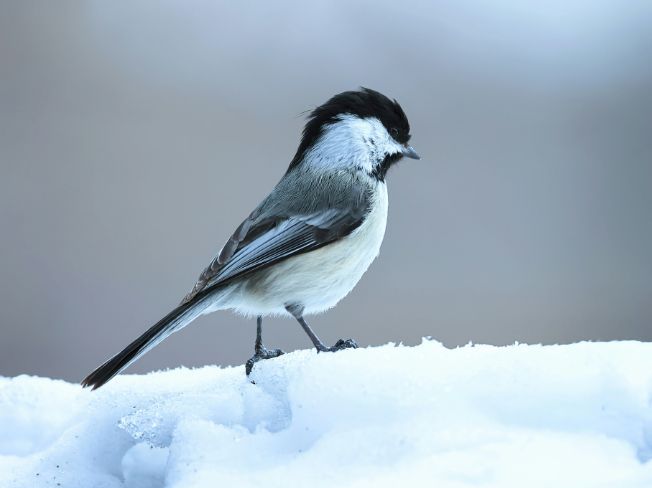
The little black-capped chickadees feel like the heartbeat of a Minnesota winter. Even when the temperature drops and the wind is rough, they keep going, bouncing from feeder to branch and back again.
From the sofa, I watch them:
-
Darting in, grabbing one seed, and zipping away.
-
Calling softly to each other, that familiar “chick-a-dee-dee-dee.”
The nuthatches are fun too, especially the white-breasted ones. They often climb down the tree trunks headfirst, which always makes the kids laugh. Seeing that kind of movement, even in mid-December, reminds me that the world hasn’t gone completely asleep under the snow.
Winter Finches and Goldfinches – Not as Bright, But Still Cheerful
In the colder months, our goldfinches lose that bright yellow they have in summer. They turn more of a soft brown, but you still notice them when they gather on the feeder. Sometimes we get house finches with red on their heads and chests, and that adds another splash of color.
They’re not as dramatic as the cardinals or jays, but when the sky is low and the wind is sighing through the pine trees at the back of the yard, any bit of warm color feels welcome.
How I Set Things Up So I Could Stay on the Sofa
Seeing these birds clearly from the living room took a little tinkering. At my age, I don’t mind admitting I like things that are easy on the knees and simple to keep up.
Moving the Feeder Closer
My first mistake was keeping the main feeder too far out in the yard. It looked nice from the porch, but from the sofa it was mostly a blur.
One chilly afternoon, when the daylight was starting to fade before dinner, I pulled on my boots and carefully walked out. The air felt sharp in my nose, and I could hear the faint rumble of the lake in the distance. I moved the feeder pole several feet closer to the house, near a shrub that offers some cover for the birds.
Here’s what changed:
-
I could finally see the birds’ colors clearly without squinting.
-
The birds still had a nearby place to land (that shrub), so they felt safe.
-
I didn’t have to use binoculars every time I wanted to tell what I was looking at.
I guess I had been trying to “respect their space,” but I’d overdone it. Once I brought things closer, they adjusted just fine.
Cleaning Up the Glass and the Background
The next thing I did was almost embarrassingly simple: I cleaned the inside and outside of the big window. Years of handprints, dog nose smudges, and just everyday dust do add up.
After a good cleaning, the difference was huge. The birds looked crisper, and the colors popped more against the snow.
I also paid attention to what was behind the feeder. When the feeder sat in front of a busy background—cars on the street, or the neighbor’s garage—it was harder to see details. Moving it so that the backdrop was mostly snow and evergreen branches made the bright birds stand out more.
Keeping Tools Handy
To make the whole thing work without a lot of strain, I put together a simple little setup:
-
A small, light pair of binoculars on the side table next to the sofa.
-
A notepad and pen for jotting down what I see, or little notes for the grandkids.
-
The birdseed bucket stored near the back door, so refilling doesn’t take more than a short walk.
None of this is high-tech. It’s just setting things up so I don’t have to go hunting through closets every time a bird shows up.
A Small Change, a Big Difference
One winter, I noticed we were getting mostly sparrows and a few chickadees, but not many of the brighter birds. The cardinals especially seemed to be only occasional visitors, and I wondered if it was just a bad year.
Then I took a closer look at the seed I’d been buying. It was one of those big bargain bags with a lot of filler—things the birds didn’t really care for. There was a lot of it scattered on the ground under the feeder, and the squirrels were having the time of their lives.
So I decided to test something.
Trying Different Food
I switched to:
-
Straight black oil sunflower seeds as the main food.
-
A separate small feeder with safflower and sunflower mix.
-
A tray with a few unsalted peanuts for the jays on the really cold mornings.
Within a week or two, I started noticing changes from my spot on the sofa:
-
Cardinals came more regularly, both male and female.
-
Blue jays showed up almost every morning, grabbed a peanut, and flew off.
-
Chickadees and nuthatches seemed busier at the feeder, not just picking through and tossing things aside.
What surprised me most was how this small change in seed made my mornings feel different too. Instead of glancing out and seeing a lot of empty perches, I’d look up from the newspaper and catch that flash of red or blue more often.
It lifted my mood in a quiet way. I wasn’t doing anything heroic—just sitting, sipping coffee, watching life go on outside while I stayed warm inside. But it gave me something to look forward to each day in the middle of a long Minnesota winter.
Sharing the View with the Grandkids
One of my favorite parts of this living room setup shows up when the grandkids visit. In winter, we don’t always want them out on icy sidewalks or climbing snowbanks that have frozen solid. But we can still share a bit of nature with them from the safety of the sofa.
Sometimes we’ll make hot chocolate, tuck a blanket over their legs, and sit them right at the window. I point out the birds as they come in:
-
“See that bright red one? That’s the dad cardinal.”
-
“The little one with the black cap that keeps coming back—that’s a chickadee.”
-
“Hear that loud call? That’s the blue jay, he likes to let everyone know he’s here.”
They press their fingers on the glass and whisper, like the birds can hear them. It turns a gray afternoon into something special. If they spot a new bird, we write it down in the little notebook I keep next to the couch.
I think for grandparents, this kind of simple setup is a gift. You don’t need to haul kids around in the car, you don’t need to hike through a park in deep snow. You just sit together in a warm room, watching bright little lives flit through a white world.
A Few Simple Tips for Winter Bird-Watching from the Sofa
If you’re thinking of setting up something similar in your own home, here’s a little checklist based on what’s worked for me:
-
Move at least one feeder closer to a big window where you already like to sit.
-
Use bird food that attracts colorful winter species, especially sunflower seeds.
-
Keep the window glass clean so you get the sharpest view you can.
-
Make sure there’s nearby cover—a shrub, a pine tree, or even a small bush—so the birds feel safe.
-
Have a light pair of binoculars handy, but don’t feel like you have to use them all the time.
-
Give it time. Sometimes it takes a week or two for the birds to get used to any changes.
Nothing here requires perfect health or a young body. It’s about letting nature meet you where you are.
Why These Winter Birds Matter to Me Now
At this point in my life, I don’t chase big adventures the way I used to. My knees complain on icy days, and I’m careful on the front steps. But I still want some color and life in my days, especially when the sun doesn’t hang around very long and the wind off Lake Superior has a way of making the world feel a little tough.
These bright winter birds—the reds and blues and warm browns against the snow—bring that color right to my window. From this old sofa, in a house on a quiet Duluth street, I can watch the chickadees stay busy, the cardinals keep their little court in the shrubs, and the jays barrel through like they own the place.
It reminds me that even in the coldest months, there’s still a lot going on out there. Life hasn’t stopped; it’s just wearing a winter coat.
If you’re a grandparent, or just someone whose body doesn’t feel like fighting icy sidewalks anymore, I’d say give this kind of setup a try. Make yourself a warm spot by a window, bring the feeder in close, and let the colorful winter visitors show up on their own schedule.
Some mornings, as I sit here with my coffee and watch a cardinal glow against the snowbank, I think, “You know, this is a pretty good way to spend these years.” Not too busy, not too lonely—just me, the house, the snow, and a few bright birds doing their best to get through winter right along with me.