A Slow Morning at the Kitchen Window in Duluth
Most mornings these days start the same way for me. I shuffle into the kitchen, fill the coffee maker, and stand for a minute by the window that looks out over my small backyard. It’s not much of a yard—just a patch of grass, an old pine in the corner, a maple closer to the house, and a weathered fence along the alley—but it’s mine, and I’ve grown pretty fond of it.
On this particular morning I remember, the sky was that soft gray we get a lot around here before the sun really makes up its mind. You could tell it was cold just by the color of the light. The air had that heavy feel that usually means Lake Superior is wrapped in fog, even though I can’t see the lake from my house. I’ve lived in Duluth long enough to recognize that “lake mood,” you know what I mean.
I leaned on the counter, waiting for the coffee to finish, and watched the feeder I keep just a few feet from the window. It’s nothing fancy, just a simple hopper feeder hanging from a metal hook. The glass on the window had a little bit of condensation at the bottom, and there was frost feathering out along the edges. I could see my own reflection faintly, an old guy in flannel, with hair going all sorts of directions, staring back at me.
Then the chickadees showed up.
One, two, then three of them, bouncing in from the pine tree like they were on springs. They landed on the feeder, took one seed at a time, and then zipped off again. They’ve got such quick little movements it almost looks like the world is in slow motion and they’re the only ones going regular speed.
I caught myself smiling at them. That happens a lot now.
The thing is, I wasn’t outside. I wasn’t bundled up on the porch or standing in the snow. I was barefoot on the kitchen floor, waiting on coffee, just a few steps from my table. No binoculars. No camera. Just the window and a handful of regular visitors who show up most days.
There was a time when I thought “real” birdwatching meant walking the neighborhood parks, standing quietly under tall pines, or hiking a bit along the trails above the lake. I still enjoy that when my legs and back are up for it. But these days, to be honest with you, my body doesn’t always want to spend a lot of time outside in the cold or balancing on uneven ground.
So I’ve grown pretty attached to this idea: there are plenty of birds you can enjoy right from your window, without any special equipment, if you set things up in a friendly way for both you and them.
That’s what I want to talk about here—not some fancy birding guide, just the story of one older guy in Duluth and the birds he watches from his kitchen window, day after day.
Letting the Birds Come to Me Instead of Chasing Them
When I first retired, I had this picture in my head of myself turning into some kind of outdoorsman again. Long walks by the lake, hours at the park, maybe even learning all the bird calls by heart. That sounded pretty nice in theory.
Then reality stepped in.
My knees started complaining on those longer walks. Standing too long under the trees made my back tighten up. Some days the wind off Lake Superior cut right through my coat, and I just didn’t feel like being out there any longer than I had to.
One damp fall afternoon, I remember standing in a neighborhood park not too far from my place. The pine trees were whispering in the wind, and a few last leaves were blowing down the path. I could hear birds up in the branches, but my neck hurt from craning, and my legs felt heavy. On the slow walk home along the quiet residential streets, I found myself thinking, “You know, there has to be an easier way to do this.”
That’s when the idea really settled in: instead of going to the birds all the time, I could make it easier for them to come to me.
I already had one feeder out in the yard, but it was set up more for looks than anything else, sort of stuck in the middle of the grass where it seemed “right.” From the kitchen window, I could see it, but not very well. The birds were tiny shapes out there, and on darker days, I’d find myself squinting and giving up.
One day I thought, “Why not move the show closer to the best seats in the house?”
So that’s what I did. I shifted the feeders closer to the window, cleared a spot on the counter where I could lean comfortably, and started paying attention to which birds I could clearly see without any binoculars or fancy gear.
I learned two things pretty quick:
-
A lot of birds are bigger and brighter than I used to notice.
-
My enjoyment went way up when I didn’t have to strain to see them.
At this stage of life, anything that lets me relax and still feel connected to the world outside feels like a win.
The “Regulars” I Can See Clearly from My Window
Different folks will get different visitors depending on where they live, but here in Duluth, there are a handful of birds that show up so often I almost feel like I should be paying them rent. You don’t need sharp eyes or special equipment to enjoy them. You just need to bring things close enough and sit still long enough.
I’ll tell you about a few of my regulars, the way I’ve come to recognize them from just a few feet away.
The Cheerful Little Chickadees
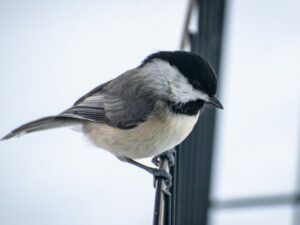
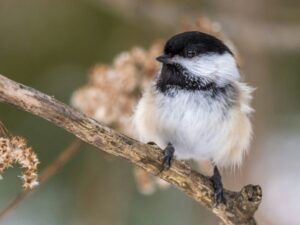
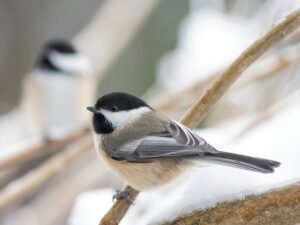
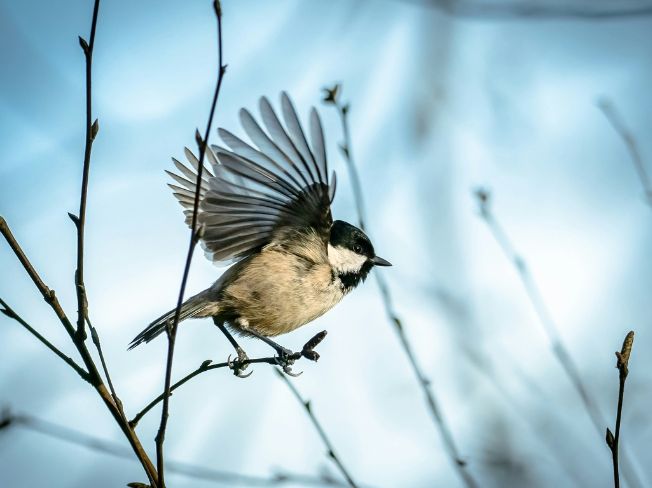
If I had to pick one bird that feels like a good friend now, it’d be the black-capped chickadee.
They’re small, sure, but when they’re close to the window, they’re easy to recognize:
-
Little round bodies that look like they’re wearing a tiny black cap and a black bib.
-
Soft gray wings and back.
-
Light underside that sometimes looks almost white, depending on the light.
They move fast—hopping, darting, grabbing one seed and heading right back to the pine tree, sometimes before I’ve even had time to sip my coffee. Their calls sound like someone whistling “chick-a-dee-dee-dee” or a clear, whistled “fee-bee.”
I guess what I like about them is how brave and busy they seem. They don’t mind getting close to the house at all. Sometimes I’ll be standing by the window and one will land on the feeder just a couple of feet away, tilting its head like it’s checking me out. You don’t need any extra gear to enjoy that little moment. Just your eyes and a bit of patience.
The Upside-Down Nuthatches
Another bird that makes me smile is the white-breasted nuthatch. They act like they’ve got their own rules about gravity.
When they show up, I see:
-
A bird with a bluish-gray back and white underside.
-
A bold black line on the head.
-
A habit of creeping along the trunk of the tree and even hanging upside down on the feeder.
They like to grab a seed and then hammer it a bit against the wood to crack it open. From my window, it almost looks like they’re knocking on the tree’s door.
These birds stand out because of how they move. They’re not bouncing like chickadees so much as crawling and clinging at odd angles. That makes them pretty easy to spot and recognize, even for older eyes.
The Flashy Blue Jays
Now, the blue jays are a whole different story. They’re bigger, louder, and not exactly shy.
When a jay lands on the feeder outside my window, there’s no mistaking it:
-
Bright blue back and wings with black and white patterns.
-
A kind of crest on top of the head that can stick up.
-
Strong, bold movements, like they own the place.
Sometimes they scare off the smaller birds for a bit, which I used to feel bad about. These days I just figure everyone’s got to eat, and the little ones usually come back once the jay has had its fill.
From inside the house, a blue jay feels almost like a surprise guest stopping by the fence. You see that flash of blue, and it brightens up even the grayest winter morning a little bit.
The Steady Woodpeckers
I get a couple types of woodpeckers that come by regularly. I won’t get into all the technical names, but the ones I see most often are the smaller ones with black-and-white patterns and a little bit of red on the head.
What stands out from the window is:
-
They cling to the suet feeder, kind of leaning back on their tails.
-
They use their tails almost like a third leg.
-
They tap and hammer at the suet with a rhythm that feels steady and sure.
There’s something comforting about that sound, even if it’s faint through the glass. It reminds me that the world outside my window has its own routines.
The Bright Cardinals and Goldfinches
On certain days, if I’m lucky, I’ll get what I think of as “bonus color.”
-
A male cardinal, bright red all over with a darker face, shows up like a little ember against the snow.
-
In warmer months, goldfinches in their bright yellow summer feathers hop around the feeder like little suns with wings.
Those are the ones you really don’t need any gear for. They’re bold and colorful enough that even without your glasses on, you can tell something special is happening out there.
When one of those shows up, I usually call out, “Hey, look at that,” to nobody in particular. Just an old habit from when the house was fuller, I guess.
A Small Change That Made Window Watching Much Easier
For a long time, I thought the reason I had trouble seeing birds clearly from inside was just my age. My eyes aren’t what they used to be, and that’s true enough. But it turned out there was another problem I hadn’t really noticed.
The glass was dirty.
It was one of those spring days where the snow was mostly gone, but the air was still chilly enough that you could see your breath a little if you stepped out onto the porch. I was at the sink, looking out the window, and I realized the view was sort of dull. Not just the normal “late winter” dull, but actually kind of cloudy.
I took a closer look and saw the glass had a little film on it—some smudges, the leftovers of the furnace running all winter, that sort of thing. Outside, there were old raindrop marks and a bit of dust, too.
I thought, “Maybe this is part of why things look so faint out there.”
So that afternoon, when the wind calmed down, I grabbed a soft cloth, some cleaner, and did something I probably should have done a while earlier: I gave that window a proper cleaning, inside and out. I moved slow, one step at a time, being careful on the porch, leaning on the railing when I needed to, just taking it easy.
When I stepped back to look through again, the difference surprised me. It was like someone turned the picture from “low definition” to “high definition,” if that makes sense. The tree bark looked sharper. The feeder looked brighter. A sparrow hopped up on the edge, and I noticed the pattern on its wings more clearly than I had in a while.
It wasn’t a miracle cure, of course. My eyes are still my eyes. But that one simple action—cleaning the glass properly—made the whole experience easier on them.
It also did something for my mood. I felt more engaged with what I was seeing, more able to notice the details. That made the time I spend at the window feel richer, somehow. Not bad for ten or fifteen minutes of slow, careful cleaning.
Little Ways I’ve Made the Window a “Birdwatching Corner”
Over time, I’ve turned that part of my kitchen into what I’d call a “birdwatching corner.” Nothing dramatic, just a few small changes that make it easier and more enjoyable to stand or sit there for a while.
Here’s what has helped me, in case you’d like to do something similar.
A Comfortable Spot for Me
I realized pretty quickly that if I wanted to spend time at the window, my body needed to be comfortable.
-
I put a sturdy chair near the window, one with arms so I can push up easily.
-
On days when I know I’ll be there longer, I put a small cushion on the seat and a folded towel behind my lower back.
-
I cleared enough space so I don’t feel like I’m squeezed between the table and the counter.
Sometimes I sit, sometimes I stand and lean lightly on the counter. I don’t force myself into any particular posture. I just let my body tell me what feels right that day.
Making It Easy for the Birds
I also adjusted things outside to make the birds more visible without making them nervous.
-
I moved the main feeder so it’s directly in front of the window, a safe distance from the glass but close enough that I can see details.
-
I set up a simple tray feeder lower down, in case ground-feeding birds want to stop by.
-
I kept the pine and the shrubs nearby, so the birds still feel like they have cover and a place to land.
I think of it like setting a small table for guests. I can’t control who shows up, but I can make the place welcoming.
Reducing Glare and Distractions
There were a few times when I’d be looking out and see more of my own kitchen reflected in the glass than the yard outside. It made the birds harder to see, especially on sunny days.
A couple small adjustments helped:
-
I keep the light over the sink a little dimmer when I’m watching, so my reflection isn’t as strong.
-
I sometimes stand a little off to the side instead of straight on, which cuts down on glare.
-
I try not to put bright objects right in front of the window that would grab my eye instead of the birds.
These are tiny things, but they cut down on eye strain and help me stay focused on what’s happening just beyond the glass.
Simple Tips for Enjoying Birds Without Extra Gear
I’m no expert, just a fellow who has spent a lot of mornings looking out the same window, learning what works and what doesn’t. If someone my age came over for coffee and said, “I’d like to enjoy birds from inside, but I don’t have binoculars or anything,” here’s the kind of practical advice I’d share.
1. Bring the Action Closer
You don’t have to fill your yard with equipment. Just think about distance.
-
Hang a feeder within ten to fifteen feet of the window, if you can.
-
Put it where you have a clear line of sight from your favorite chair.
-
Make sure there’s a tree or shrub nearby for the birds to land in.
The closer the feeder is (within reason), the easier it is to see markings and behavior without squinting.
2. Choose Birds That Are Easy to Recognize
Some species just lend themselves better to simple, window-based watching:
-
Chickadees, with their black caps and busy movements.
-
Blue jays, with their bold blue and strong presence.
-
Woodpeckers, with their steady clinging and tapping.
-
Cardinals and goldfinches, with their bright, easy-to-spot colors.
-
Robins hopping around the lawn when the ground isn’t frozen.
If you focus on these “regular characters,” you don’t have to memorize a whole field guide. You can just enjoy getting to know a few familiar faces.
3. Use Simple Seed Choices
You don’t need a complex mix.
From my own trial and error, I’ve found:
-
Black oil sunflower seeds bring in a lot of different kinds of birds.
-
A basic mixed seed will attract sparrows and other common visitors.
-
A suet block, especially in winter, is great for woodpeckers and nuthatches.
I tried all sorts of fancy blends for a while, then circled back to the basics. The birds didn’t seem to mind.
4. Keep the Routine Gentle
For older bodies like ours, the “how” matters as much as the “what.”
A few things that help me:
-
I refill feeders when I have the energy, not when I’m already worn out.
-
I use small containers to carry seed, so nothing gets too heavy.
-
I treat the whole process as a slow, steady ritual instead of a chore to rush through.
There’s no prize for fastest refill. Taking it easy is just fine.
How the Seasons Change the View from the Window
Living up here in northern Minnesota, the view out that window is never quite the same from month to month. Sometimes I think I enjoy watching the changes almost as much as the birds themselves.
Winter: Quiet Snow and Tough Little Birds
In winter, the yard gets simple. Snow flattens everything out, and most of the color drains away. The sky can be pale blue one day, steel gray the next. The cold wind off Lake Superior finds its way between the houses and makes the branches of the pine shiver.
From inside, though, with my hands wrapped around a warm mug, it feels like I’m watching a little winter play. Chickadees puff themselves up to stay warm. Woodpeckers cling to the suet, working at it patiently. Sometimes a jay blasts in, startling everyone before they settle down again.
The contrast between the white snow and the dark birds makes them easier to see, which my older eyes appreciate.
Spring: Slow Thaw and First Song
Spring comes late here most years. The snow melts, then we get a little more, then it melts again. The ground turns muddy. The air still feels pretty cold in the mornings, but there’s a different tone to it, a kind of softness.
That’s when I start hearing more song from the yard. Robins show up on the grass, tugging at worms. The light shifts, and I find myself standing at the window a little longer each morning, waiting to see who’s returned.
I’m not rushing out there like I might have when I was younger. I just let the view come to me.
Summer: Bright Mornings and Busy Feeders
Summer mornings can be beautiful here—bright, clear skies, air that’s cool but not biting yet. On those days, the yard sometimes feels like a small airport, with birds flying in and out from every direction.
The leaves on the trees make a green backdrop that sets off the colors on the birds. Goldfinches are especially striking then, like little bits of sunshine flitting around.
Sometimes I do sit out on the porch on those nice days, but plenty of times I’m perfectly content to sit inside at the table, window open a crack to let in the sounds, watching the same show from a comfortable chair.
Fall: Quieting Down and Getting Ready
In fall, the mornings get chillier again. The light gets lower, softer. Leaves change color, blow across the yard, and pile up against the fence.
There’s a sense of winding down, but also of preparation. Some birds move on, some stay. I don’t always know who’s who, and that’s okay. I just watch the coming and going, feeling the rhythm of the year.
It all happens right there outside my window, with me on the inside, moving slower but still part of it.
Why This Kind of Birdwatching Matters to Me Now
When I think about why I’ve grown so fond of watching birds from my window, instead of feeling bad that I’m not out hiking and driving all over the place, I keep coming back to a few simple things.
At sixty-eight, my energy comes in smaller batches. My knees and back have their own opinions. Some days I’m up for a longer walk through one of the neighborhood parks with tall pines and quiet paths. Other days, the best I can manage is puttering around the house and spending some time by the window.
But that window time doesn’t feel like “second best” anymore.
It feels:
-
Gentle on my body.
-
Calming for my mind.
-
Connected to the wider world without requiring me to go very far.
I’ve learned that I don’t need to own a lot of equipment or identify every single species to get a lot of comfort from this. I just need a clean window, a feeder not too far away, a decent chair, and the willingness to sit quietly for a bit.
On some mornings, when the street out front is still mostly silent and the wind is sliding down from the hills toward the lake, I stand there with my coffee and I feel like I’ve slipped into the slow current of the day in a pretty natural way. The birds are doing what they’ve always done. I’m just noticing it more.
It reminds me that life still has small surprises to offer—a new bird I haven’t noticed before, a familiar chickadee with a slightly different pattern, the way a jay’s blue feathers catch the light on a sunny day. Those things don’t require youth or strength or a long drive. They just require me to show up at the window and pay attention.
A Quiet Word to Anyone Thinking “Maybe I Could Do That Too”
If you’re around my age—or older—and you find yourself drawn to the idea of watching birds but not so thrilled about walking far or buying a bunch of gear, I’d say this:
You don’t have to make it complicated.
You can:
-
Pick one good window with a decent view.
-
Put a feeder within easy sight.
-
Choose a simple seed that brings in a few common species.
-
Make yourself a comfortable spot to sit or stand nearby.
-
Let the birds teach you what they want to do.
In time, you’ll start recognizing a few regulars. The busy chickadees. The bold blue jays. The steady woodpeckers. Maybe a bright cardinal on a snowy morning if you’re lucky. All of that is possible without stepping off your porch or picking up a single piece of extra equipment.
Here in my little house in Duluth, not too far from Lake Superior, with its long winters and short summers, that window has become one of my favorite places. It’s where I remember that, even as life slows down and my body sets new limits, there are still small, bright things happening just outside the glass.
If you decide to give it a try in your own way—a feeder near a window, a few quiet minutes with your coffee—don’t worry about doing it “right.” Just let yourself enjoy the company of whatever birds decide to stop by. That’s more than enough, you know what I mean.