A winter morning that eased us into this habit
Most mornings this time of year up here in Duluth start the same way for me. I pad into the kitchen in my slippers, put the coffee on, and glance out the little window over the sink. The sky sits in that in-between stage, not quite dark, not quite light, with a soft gray hanging over the neighborhood.
On the days when the wind comes off Lake Superior, you can almost see it in the way the snow drifts move, like somebody ran a hand across the top of a white tablecloth. The cold has a certain bite to it, not mean exactly, just steady and serious, the way folks around here tend to be.
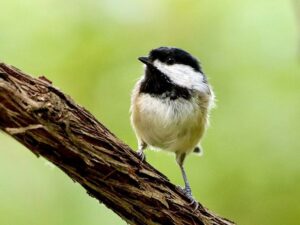
One morning not long ago, after breakfast, I was rinsing our plates when I noticed a black-capped chickadee clinging to the feeder hook. The feeder itself was almost buried in snow, just the top and the perch sticking out. That tiny bird kept hopping back and forth, grabbing a seed, darting to the pine, then back again.
My wife came up beside me with her mug and said, “They’re busy for such a cold morning.”
I watched that little bird for a while and thought, you know, this might be about the right speed for us now. We used to rush off after breakfast, heading to work or tackling a big list of things to do. These days, our bodies don’t move quite as fast, and I don’t think either of us has any real desire to race the clock anymore. Sitting together, looking out at the snow and the birds, felt pretty nice.
I guess that’s how our slow, after-breakfast bird routine really started. Not with some grand plan, but with a couple of older people standing at the window, realizing that what they needed wasn’t more activity — just a gentler way to enjoy the morning.
How we went from “big plans” to small, steady mornings
When I first retired, I had big ideas about birdwatching. I thought I was going to be out in the parks every day, hiking along trails, spotting rare species, maybe keeping a notebook like the serious birders do.
I bought a heavier pair of binoculars, the kind that look impressive hanging around your neck. I picked up a guidebook and tried to memorize names. I even pictured myself standing near the shore, bracing against the wind off Lake Superior, watching ducks and gulls through the cold.
Well, it didn’t quite go that way.
I started running into some pretty simple problems:
-
My knees don’t love long walks on icy paths.
-
Holding heavy binoculars up to my eyes for more than a few minutes makes my shoulders and neck stiff.
-
On the really cold days, my fingers stop cooperating and the whole thing just feels like I’m fighting the weather, not enjoying it.
There were a couple of mornings when I drove out to a small park near the lake, got out of the car, stood there shivering in the wind, and thought, “You know, this isn’t fun right now.” The birds were there somewhere, I’m sure, but I couldn’t relax enough to care.
One day I came home from one of those little misadventures, cheeks red from the cold, hands sore, feeling kind of defeated. My wife had stayed in, and when I walked into the kitchen she said, “You could’ve seen plenty of birds right from here.”
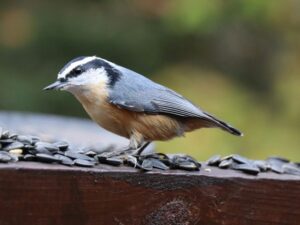
We both looked out the window, and right on cue, a nuthatch scooted headfirst down the pine tree in our backyard. We laughed. It was a small moment, but that’s when it clicked: maybe the best routine for this stage of life doesn’t involve driving anywhere at all.
A slow rhythm, right after breakfast, in a place where we can sit down, stay warm, and still feel connected to the outside — that started to sound a lot more our speed.
Our gentle after-breakfast routine, step by step
These days, most winter mornings for us follow a simple pattern. It’s nothing fancy, but it suits a couple of older folks who want to enjoy birds without pushing our bodies too hard.
1. A calm breakfast, no rushing
We keep breakfast pretty simple: toast or oatmeal, sometimes eggs, coffee for me, tea for her. The sun comes up late this time of year in Duluth, so by the time we’re eating, the light is just starting to brighten.
We sit at the table near the window that looks out over our small backyard. The snow covers just about everything — the patio chairs, the little path, the base of the fence. Sometimes you can see tiny tracks where a squirrel or rabbit passed through earlier.
While we eat, we don’t try to “watch birds” in any serious way. We just notice what shows up. A chickadee hopping in, a downy woodpecker checking the suet, a crow flying overhead, its call echoing down the quiet street. It feels like easing into the day instead of jumping into it.
2. A quick inside check on the feeders
Before we head out to the porch, I always take a minute inside to look at the feeders and see what’s going on.
I learned a few things through trial and error:
-
Feeder placement: I moved the main seed feeder closer to the pine tree, so the birds have a quick escape route if they get spooked. That change brought in more chickadees and nuthatches.
-
Seed type: We now use mostly black oil sunflower seeds in winter. It took me a while to figure out that the mixed seed was attracting a lot of squirrels but not as many of the birds we wanted to see.
-
Suet position: The suet cage ended up on the shadier side of the yard so it doesn’t melt on warmer days, and woodpeckers seem to like the sheltered spot.
Those little adjustments made a big difference. Instead of staring at empty feeders, we see regular visitors throughout the morning.
3. Layering up just enough
We don’t suit up like we’re going on an expedition. We’re only stepping onto the covered porch or just outside the door. But in this part of Minnesota, you still respect the cold.
My usual setup:
-
Warm socks and slippers or easy slip-on boots
-
Light fingerless gloves so I can still handle binoculars and a mug
My wife likes to wrap a blanket around her legs once we’re settled. That little touch makes staying out an extra ten or fifteen minutes much easier.
4. Settling into “our spots”
On the porch we have two sturdy chairs with cushions that have seen better days but still do the job. We angled them so we can both see the feeders and the pine tree without twisting our backs too much.
I used to stand near the railing, thinking I’d get a better angle. After a few mornings of that, my back started complaining, so I gave in and made the sitting arrangement the main event. Now I keep my light binoculars on a small side table, within easy reach.
Once we sit down, we don’t treat it like a big activity. We just talk quietly, sip our warm drinks, and keep half an eye on the feeders. It’s kind of a shared pause in the day.
A little experiment that made things better
One winter, I noticed that most of the action was happening before we actually got out to the porch. By the time we finished breakfast and layered up, the big rush around the feeders had slowed down.
I decided to try something: moving our breakfast fifteen minutes earlier and topping off the feeders before we sat down to eat.
So one evening, I filled the feeders before dark. The next morning, I went out just after waking up and knocked the snow off, making sure everything was clear. Then we had breakfast a bit earlier than usual.
The difference surprised me.
When we moved to the porch right after we ate, the birds were already lined up like they’d been waiting for us:
-
Chickadees darting in and out, barely pausing.
-
A pair of downy woodpeckers taking turns on the suet.
-
A junco or two hopping in the snow under the feeder, picking up dropped seeds.
Instead of catching the tail end of the morning flurry, we were right there in the middle of it.
That small shift — just adjusting our timing — made the whole routine feel more alive. It gave us something to look forward to: a predictable little show most mornings, without making us drive anywhere or stand around in the cold for too long.
To be honest with you, it helped my mood too. On winter days when the sun barely shows and the streets feel half-asleep, having that small burst of life in the backyard makes the day feel less empty.
Simple tips for older couples who want to go slow
I’m no expert, just a retired guy with a small backyard. But if another couple around our age asked how to set up a relaxed morning bird habit, here’s what I might tell them.
Keep everything close and easy
-
Short distance: Try to keep your viewing spot just a few steps from the back door. Slippery decks and long walks on ice are not our friends anymore.
-
Comfortable seating: A solid chair with a cushion beats standing every time. Your back and knees will thank you.
-
Light binoculars: If you use binoculars, pick a lighter pair. Heavy ones feel impressive but end up staying on the shelf.
Let the birds come to you
-
One or two feeders is enough. You don’t need a whole forest of equipment. A simple seed feeder and a suet cage can bring in plenty of visitors.
-
Think about cover. Birds feel safer when there’s a tree or shrub nearby. Our pine tree acts like a waiting room for them.
-
Be patient with activity. Some mornings are busy, some are quiet. That’s part of the charm.
Make it a shared habit, not a chore
-
Talk while you watch. Half the fun for us is commenting on the birds like they’re neighbors dropping by.
-
Take turns spotting. My eyesight isn’t what it used to be, so sometimes my wife catches things I miss and vice versa.
-
Keep expectations low. This is about enjoying time together, not checking birds off a list.
What this slow routine means to me at 68
As I get older, I notice I’m less interested in big achievements and more interested in how the day feels. The long winters here in Duluth can get to you if you let them. The snow piles up, the streets quiet down, the sky hangs low for weeks at a time.
Having this gentle morning rhythm — breakfast, a short step out to the porch, watching chickadees bounce around the feeder — gives shape to my days. It’s not loud or exciting. It’s just steady. In a world that feels pretty fast and noisy in so many ways, that steadiness means a lot.
I like sitting there with my wife, our mugs cooling in our hands, breathing in that crisp air just for a little while. I like hearing the tiny wingbeats, the soft tapping of a woodpecker on the suet, the distant hum of a car on a quiet residential street. Some mornings, if the wind shifts, we catch a feeling of the lake, even if we can’t see it — a cold, clean scent that reminds me where we live and how long I’ve been here.
At this age, I don’t need grand adventures to feel alive. I just need a small routine that fits my body and lets my mind settle down. Watching birds after breakfast, right here at home, does that for me.
If you’re around my age, maybe living with a partner who also moves a little slower these days, you might find something similar. You don’t have to hike into the woods or buy fancy gear. You can just clear a path to your porch, set up a comfortable chair, hang a feeder or two, and see who shows up.
It’s a modest kind of happiness, but it runs deep. Two old folks, a quiet backyard, a winter sky, and a few small birds trying to get through another cold day — all of us sharing the same morning, each in our own way. You know what I mean.