A Morning Here in Duluth That Got Me Thinking About This
This time of year in Duluth, the morning shows up kind of quietly. The sky starts out that pale, washed-out gray, and the snow in the yard looks blue until the sun finally gets some confidence. When the wind rolls in off Lake Superior, it has a way of making even a short trip outside feel like a whole production.
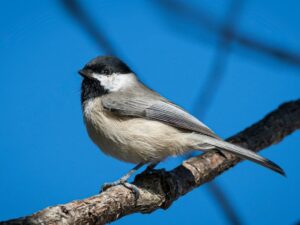
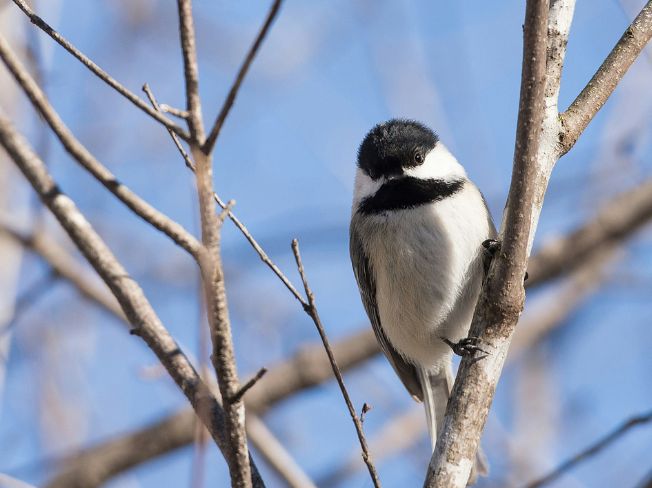
A few mornings back, I stood at my kitchen window with a mug of coffee warming my hands, watching my feeder swing a little bit in the breeze. It had snow crusted on the top, and I could tell the seed inside had taken on that damp look—like it wasn’t ruined, but it wasn’t fresh either. I saw a chickadee land, peck once, then hop away like it had changed its mind. A nuthatch came next, did that quick little head-bob they do, then took off.
I remember thinking, “Well, that’s on me.”
I’m 68, and I don’t move around like I did ten or fifteen years ago. My balance is fine most days, but ice has a way of making a fool out of anyone, and I’m not interested in proving I’m tougher than a Minnesota sidewalk in December. So I started paying more attention to the small stuff I can do safely—small steps that keep the feeder clean enough, the seed fresh enough, and the birds comfortable enough to keep coming by.
That’s what this is about. Not a big project. Just a steady little winter habit that helps the small backyard birds stick around, without making your own day harder than it needs to be.
What I Tried First and How It Turned Out
When I first started feeding birds in winter, I honestly thought you just fill the feeder and let nature take it from there. That worked fine in summer and early fall. In winter, it’s different.
Snow blows sideways. Seed gets damp. Meltwater sneaks into cracks you didn’t know the feeder had. Then the temperature drops again, and everything turns into a little frozen brick. The birds still show up, but sometimes they don’t stay long, and it took me a while to realize why.
My first mistake was ignoring the feeder for too long because it was cold outside. I’d look out the window, see the feeder hanging there, and tell myself, “It’s fine.” Then I’d wonder why the traffic slowed down.
My second mistake was trying to “fix it” like I was 40. I went out on a slick morning to knock off some ice, rushed the whole thing, and nearly slipped by the back steps. Nothing dramatic happened, but it scared me enough to change my approach.
So I started doing this instead:
-
I keep the refresh simple.
-
I do it on safer days or safer times of day.
-
I set things up so I don’t have to bend much, reach too far, or climb anything.
Once I began treating feeder upkeep like a short, gentle routine instead of a chore, the birds came back with more consistency. And I’ll tell you something else: my mornings felt better too. It’s pretty nice to look out and see those quick little movements on the snow when the world feels so still.
The Little Routine I Follow When Winter Gets Serious
I’m not big on strict schedules, but in winter I do like having a predictable pattern. It keeps me from putting things off until they’re a mess.
Most weeks, I do a quick refresh two or three times, and a slightly deeper clean about once a week—more often if we get wet snow or a warm spell that turns everything slushy.
My “quick refresh” that takes about ten minutes
-
Pick a safe moment
I don’t do this when it’s glare-ice outside, or when the wind is whipping hard. I wait for midday light when the steps are easier to see, or a calmer morning when the snow isn’t blowing into my face. You know what I mean—those rare winter moments that feel “not too bad.” -
Bring just what you need
I take a small bucket of seed, a rag I don’t care about, and a little stiff brush. Sometimes I bring a butter knife for scraping ice off metal parts. Nothing fancy. -
Empty the old seed first
If the seed looks damp, clumpy, or smells off in any way, I don’t mix it with new. I dump it. It feels wasteful, I guess, but birds don’t benefit from soggy seed, and neither does your feeder. -
Knock off snow and ice
I brush off the roof, clear the perches, and make sure the openings aren’t blocked. If it’s a tube feeder, I check each port. If it’s a suet cage, I make sure it opens and closes without fighting me. -
Wipe the spots birds touch
I give the perches and edges a quick wipe. That’s it. Just a quick clean where their little feet and beaks spend time. -
Refill only what will get eaten
In winter, I fill less and top off more often. That helps keep the seed fresher and reduces freezing clumps.
That quick routine alone made the biggest difference for me. Chickadees and nuthatches started staying longer again. The feeder stopped looking like a frozen ornament. It started functioning like a feeder.
The “weekly clean” that keeps things from getting gross
About once a week, I do a deeper clean. I don’t treat it like a big cleaning day. I treat it like a small habit.
-
I bring the feeder inside to the mudroom or kitchen sink.
-
I rinse it with warm water.
-
I use a little dish soap and a brush for the corners.
-
I rinse well and let it dry fully before refilling.
If it’s really cold and the feeder won’t dry quickly, I rotate in a spare feeder for a day. Having a backup sounds like extra, but it’s actually easier. It keeps you from rushing and hanging a wet feeder back outside.
What I Feed in Winter and Why I Keep It Simple
Winter birds around here are loyal, but they’re also practical. They want food that’s easy to grab and worth the effort.
In my yard, the regulars tend to be chickadees, nuthatches, downy woodpeckers, and blue jays. Some winters I get finches passing through. Every now and then a cardinal shows up, and that red on snow never gets old.
I keep the menu pretty basic:
A small “winter menu” that works in my yard
-
Sunflower chips
They’re easy for small birds to handle, and there’s less mess than whole sunflower seeds. -
A simple seed mix without a lot of filler
If a mix has too much stuff birds ignore, it just sits and gets damp. -
Suet
Especially helpful for woodpeckers when it’s bitter cold. I hang it near a tree trunk or sturdy branch so birds can dart to cover quickly.
One thing I learned the hard way: winter isn’t the time to get experimental with complicated feed. Keep it familiar. Keep it reliable. That way, when the weather is rough, your feeder stays a sure bet.
How I Made This Safer and Easier on My Body
This part matters. The birds are a joy, but they’re not worth a fall.
I’ve adjusted my setup over the years so I can maintain it without doing anything risky. I’m not climbing ladders. I’m not stretching over ice. I’m not balancing on a porch step with one hand on a feeder hook. Those days are behind me, and I’m fine with that.
Here’s what helped:
A few setup choices that saved my knees and shoulders
-
I hang feeders where I can reach them from flat ground
If a feeder is only accessible from a step or uneven spot, I move it. I’d rather have it a little less “perfect” for birds than dangerous for me. -
I keep the hook height modest
High feeders look nice, but they’re harder to service. I hang mine at a height where I can work comfortably without lifting my arms over my head. -
I use a small tray or mat underneath
It catches fallen seed and reduces the icy mess right under the feeder. Less slippery buildup helps both me and the birds. -
I refresh in daylight
Winter mornings are dark longer, and early evening comes fast. I avoid working outside when the light is low, because that’s when you miss the slick spots.
A short do-and-don’t list I wish I’d followed sooner
-
Do wear boots with decent traction, even for a “quick minute.”
-
Do take your time and bring the feeder to you if possible.
-
Don’t climb, reach, or stretch to “just get it done.”
-
Don’t chip ice aggressively if it makes parts snap or crack.
-
Don’t hang a wet feeder back outside in deep cold.
That last one surprised me. A wet feeder can freeze into a problem almost immediately. Dry matters more in winter than I used to think.
One Change I Made That Brought the Birds Back Fast
Last winter we had a stretch where the snow got wet, then the temperature dropped hard. My tube feeder turned into a slow-moving headache. The ports kept icing up. I’d clear them, and the next day they’d be stuck again.
So I changed two things:
-
I moved the tube feeder closer to the house, but not right against the wall—just enough that it was slightly more sheltered from wind.
-
I added a small hopper-style feeder with a roof that sheds snow better.
The result was noticeable within a couple of days. Chickadees returned in that quick, busy way they have. The nuthatches started showing up more reliably, and I even got a downy woodpecker visiting the suet again like it had never left.
What surprised me was how much that small improvement changed my mood. Winter can feel long here. The days are short, and the sky can stay the same color for hours. When the feeder is active, the yard feels alive. It gives the morning a bit of motion and purpose, even if all I’m doing is sitting with coffee and watching.
A Small Checklist I Use When the Weather Swings
Duluth winter isn’t always steady. You can get a cold, clear stretch, then a foggy day, then a warmer afternoon that melts the edges of everything. Those swings are when feeders get funky.
So when the weather changes, I do a quick check from the window first:
My “look-out-the-window” check
-
Is the feeder roof holding snow like a hat?
-
Do the perches look iced over?
-
Are birds landing and leaving right away?
-
Is there a wet clump visible inside the feeder?
-
Is the area under the feeder slick?
If I spot two or more of those, I plan a quick refresh when the conditions are safest.
I like that approach because it keeps things gentle. I’m not reacting in a panic. I’m just noticing and responding.
Why This Matters More to Me Now at 68
I used to treat winter like something to conquer. Now I treat it more like something to live alongside.
My pace is slower. My body has opinions. I don’t bounce back from a hard slip the way I once did. But I still want those small daily joys, and birdwatching gives me that in a way that feels steady and honest.
Keeping the feeder fresh in winter isn’t about being perfect. It’s about being consistent. It’s about offering the birds something reliable when everything else out there is harsh and frozen.
And I’ll admit, it helps me too. It gives my morning a calm starting point. I sit by the window, watch the pine branches move in the wind, see little tracks in the snow, and wait for those quick wingbeats to show up again.
A Quiet Closing Thought from My Backyard
Some afternoons the sun hits the snow just right, and the whole yard brightens up like it’s been polished. Other days it stays gray, and the cold feels like it’s settled in for a while. Either way, the birds keep moving through their day—fast, focused, and tough in their own small way.
I’m just an older guy in Duluth, sitting warm inside, trying to make winter a little more welcoming for the small birds that stick around. If you’re in your later years too, or you’re just not as steady on your feet as you used to be, I’ll say this: keep it simple, keep it safe, and do a little upkeep before it turns into a big problem.
A clean, fresh feeder and a careful, unhurried routine can bring a lot of life right up to your window. On a long Minnesota winter morning, that’s more comfort than people might expect.