A Morning Here in Duluth That Got Me Thinking About This
A couple days ago we had one of those Duluth snowfalls that doesn’t really “storm.” It just drifts down, quiet and steady, like the sky is shaking out a pillow. The street out front looked softer, the pine branches had a light dusting, and the whole neighborhood felt hushed. I stood by the window with my coffee, watching the feeder swing a little bit in the breeze.
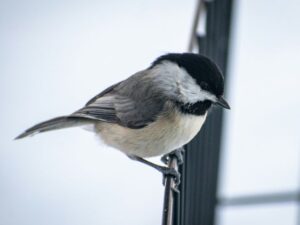
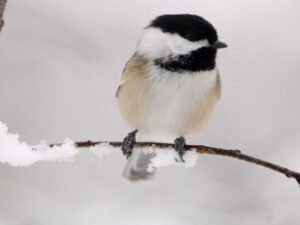
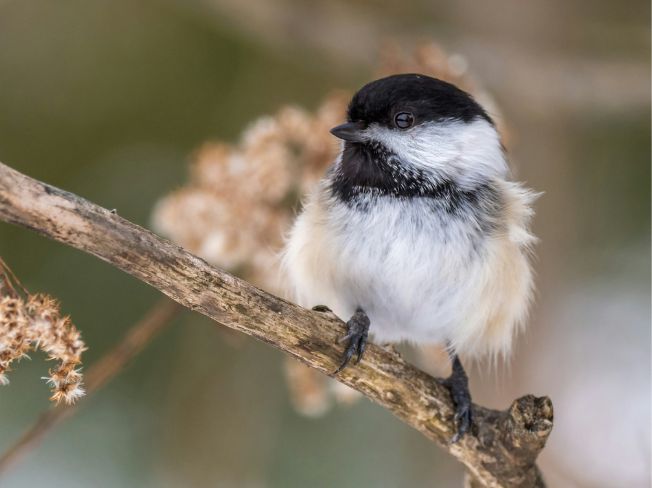
I saw a chickadee pop in, grab a sunflower chip, and bounce to the closest branch like it had someplace important to be. Then a nuthatch came along and did that upside-down walk on the trunk—still makes me smile. With the snow coming down gently, their colors looked sharper against the white. It was pretty nice, to be honest with you.
I decided I’d step out onto the porch for a minute. Not a long time—just long enough to breathe in that cold air and listen. You can hear Lake Superior in the distance on certain mornings, not exactly a sound you point to, more like a presence. The wind off the lake carries a chill that finds the gaps in your coat. It woke me right up.
I brought my little field guide along because I’d been second-guessing myself on a couple birds lately. That’s one of those “getting older” things for me—my eyes aren’t as sharp, and my memory plays tricks sometimes. I’ll think, “That’s a downy,” then I’ll wonder, “Or was it a hairy?” You know what I mean.
Anyway, I got out there, opened the guide, and my hands started doing that thing they do now and then—just a little tremble, nothing dramatic, but enough that the pages flutter and the pictures blur if I’m trying to compare details. The cold doesn’t help. My fingers stiffen, and I grip too hard, then the book slips anyway.
Standing there on my porch with snow drifting down, I thought: there has to be an easier way to hold the guide steady without freezing my hands or fighting bulky mittens. I’m 68. I’m not trying to prove anything to winter. I just want to enjoy the birds and keep it comfortable.
That’s what led me to a small change that made a bigger difference than I expected.
What I Tried First and How It Turned Out
Like a lot of folks around here, I started with whatever gloves I already owned. Big insulated winter gloves. Warm, sure. But they’re clumsy. I’d pinch the corner of a page and miss it, then bend the page, then finally flip two pages at once. It felt like trying to read a newspaper with oven mitts on.
So then I tried going barehanded for “just a minute.” That lasted about thirty seconds. Cold air in December doesn’t mess around in Duluth. My fingers went numb quick, and the guide might as well have been a block of ice. I’d end up tucking my hands in my coat pockets, which doesn’t exactly help you look up birds.
My third attempt was a thin pair of knit gloves. Better for turning pages, but not great for grip. The guide would slide, and when my hands started to shake a little, the book would wobble like it was balanced on a ball.
That’s when I realized I didn’t only need warmth. I needed a softer grip and a steadier hold—something that let me feel the page and still keep my hands from stiffening up.
I ended up trying a pair of fingerless gloves—soft, snug, warm across the palm, open at the fingertips. I didn’t expect much. I kind of figured they’d be too cold for a Minnesota winter. But I wasn’t planning to stay outside long. I was thinking “porch time,” not “ice fishing.”
And wouldn’t you know it, that small change got me closer to what I wanted.
Little Lessons I Picked Up About Steady Hands in the Cold
I’m not a doctor, and I’m not here to diagnose anybody. I just know what happens with my own hands in winter. Cold makes me tense. Tense makes the tremble more noticeable. Then I grip harder, and that makes the shaking worse. It’s a funny cycle.
When I started paying attention, I noticed a few things that helped right away:
-
Warm palms matter more than warm fingertips for short porch sessions.
If my palms stay warm, my hands relax. If my hands relax, everything steadies a little bit. -
A gentle, grippy surface beats a hard squeeze.
A glove that helps the book “stick” to your palm means you don’t have to clamp down. -
Support beats strength.
I used to think I just needed stronger hands. Now I think I need better support—resting elbows, using my lap, leaning on the porch rail, that kind of thing.
That’s why fingerless gloves made sense for my situation. They let me keep contact with the guide pages while taking the edge off the cold and giving me a softer hold.
The Kind of Fingerless Gloves That Actually Helped Me
Not all fingerless gloves feel the same. I tried one pair that was scratchy and loose, and I hated them. They rode up, the seams rubbed, and I found myself thinking about the gloves instead of the birds.
The pair I ended up liking had a few qualities that mattered more than brand names or anything like that.
What I look for now
-
Soft fabric that doesn’t itch
If it feels rough, I won’t wear it. Simple as that. In winter, comfort decides whether you keep a habit. -
A snug fit through the palm
Loose gloves slide around, and that defeats the whole purpose. I want the glove to move with my hand, not against it. -
A little grip on the palm
Some gloves have a slightly tacky texture or small rubber dots. That can help keep the guide from slipping when your hands aren’t perfectly steady. -
A cuff that covers the wrist
In Duluth wind, your wrists get cold fast. A longer cuff keeps warmth in, and it makes the whole glove feel more “winter-ready.” -
Open fingertips that still leave you enough finger to turn pages
If the finger openings are too long, you lose that fine control. If they’re too short, your fingertips get too cold. I like a middle ground.
I also learned I don’t need these gloves for long outdoor stretches. For longer walks—like a loop through a neighborhood park—I still prefer warmer gloves. But for porch birdwatching, quick feeder checks, or even reading the guide by the car before going back inside, fingerless gloves have earned their place.
How I Made This Work for My Own Backyard
I’ve got a small backyard, not some big wooded property. A couple pine trees, a few bare-limbed shrubs in winter, and a feeder or two where I can see them from the window. I like keeping things simple.
Here’s the routine I’ve settled into on a typical winter morning when I want to use a field guide without turning it into a whole project.
My “porch check” routine
-
I bring the guide and a pencil, not a whole stack of gear.
Just the basics. The less I carry, the steadier I feel. -
I put the fingerless gloves on indoors first.
That way my hands are already warm when I step out. If I put gloves on outside, my fingers are already stiff. -
I rest the guide on something solid.
Sometimes it’s the porch rail. Sometimes it’s a small table. Sometimes it’s just my lap if I’m sitting. The goal is to stop holding the full weight of the book in midair. -
I compare one detail at a time.
I don’t try to “study.” I look at one thing: the bill shape, the head marking, the way the bird moved. Then I look down at the picture. Back and forth. Slow. -
I keep the whole porch visit short.
Five minutes is plenty when it’s cold. If I need longer, I go back inside and keep watching from the window.
That last part is important for me. At my age, the best routines are the ones you’ll actually repeat. Short and pleasant beats long and miserable.
One Small Change I Tried That Made a Big Difference
Here’s the part that surprised me.
The gloves helped, yes. But the biggest improvement came when I stopped trying to hold the guide out in front of me like I was presenting it to someone.
I started sitting.
It sounds almost too simple, but that shift changed everything. I set a chair near the inside door so I could step out, sit down right away, and rest my elbows on my thighs while I held the guide. With my elbows supported, my hands steadied more. The gloves kept my palms warm. The pages turned easier. I wasn’t fighting the wind as much because I wasn’t standing tall like a sail.
The first time I tried it, snow was falling lightly and the yard was quiet except for the occasional wingbeat. A chickadee came in and out. A downy woodpecker showed up at the suet. I sat there, warm enough, calm enough, and I actually enjoyed flipping through the guide instead of wrestling with it.
What improved:
-
My grip felt more relaxed.
-
The shaking in my hands wasn’t “gone,” but it was less of a problem.
-
I stayed focused on the birds instead of getting frustrated.
What didn’t work as well:
-
If the wind picked up, the pages still wanted to flip. That’s just winter.
I started using a simple bookmark or even a folded paper tucked in the page to keep my place.
That little porch chair might sound like nothing, but it changed my mood. It turned “trying to identify a bird” into a calm part of my morning.
A Few Do’s and Don’ts for Using a Field Guide in Winter
I’m not trying to tell anyone how to live, but if you’re older and your hands aren’t as steady as they used to be, these might save you some aggravation.
Do
-
Do keep your sessions short when it’s cold.
Short visits keep hands from stiffening up and keep the whole habit pleasant. -
Do use support—your lap, a rail, a small table.
Support makes a bigger difference than grip strength. -
Do pick a guide you can actually hold.
Some guides are big and heavy. If it’s too much, consider keeping a smaller one handy for quick checks. -
Do bring the guide inside and follow up from the window.
You can do your “homework” indoors while the birds keep visiting outside.
Don’t
-
Don’t squeeze harder when your hands shake.
I’ve done it. It usually makes things worse. -
Don’t stand out on icy steps just to get a better look.
The bird isn’t worth a fall. The bird will be back. -
Don’t let one frustrating morning ruin the whole idea.
Winter is long here. Give yourself grace and try again on a calmer day.
Why This Matters More to Me Now at My Age
When I was younger, I liked complicated solutions. New gear. Bigger plans. Longer walks in rough weather.
Now, I’m more interested in gentle solutions that let me keep enjoying what I love without paying for it later in sore joints or a strained back. Birdwatching has become a quiet anchor for me in winter—especially here in Duluth, where the daylight is short and the cold can wear on you if you let it.
Those small birds that stick around—the chickadees, the nuthatches, the woodpeckers—feel like steady company. Watching them from the porch or the window is a simple pleasure, and I like keeping my routines simple too.
Fingerless gloves, for me, aren’t about fashion. They’re about comfort and control. They help me stay relaxed enough to enjoy the moment, and that matters.
A Quiet Closing Thought from My Window
Some mornings the snow falls so lightly it hardly seems real. The yard turns soft and white, the pine branches hold little caps of snow, and the world feels calm for a while. On mornings like that, I’m grateful for small comforts—warm coffee, a good chair, a field guide I can actually handle, and gloves that keep my hands comfortable without taking away my ability to turn a page.
If your hands shake a little these days, you’re not alone. Plenty of us deal with that, especially in the cold. My encouragement is simple: make it easier on yourself. Sit down. Use support. Keep your palms warm. Take your time.
You can still enjoy birds in winter in Duluth—or anywhere with long cold seasons—without pushing your body too hard. Sometimes the gentlest adjustments are the ones that let you keep doing what you love for a long time.