A Morning Here in Duluth That Got Me Thinking About This
A winter morning in Duluth has its own kind of quiet. The house is warm, the furnace hums steady, and the light outside comes on slow—more gray-blue than gold at first. If the wind’s coming off Lake Superior, you can feel it even through the window, like the whole world outside has a sharper edge.
The other morning I padded into the living room in my thick socks and sat down in my favorite chair by the front window. I hadn’t even made coffee yet. I just pulled the curtain back a few inches and watched the yard for a minute.
There was fresh snow on the lawn and a little ridge of plow snow along the street. The pine branches in my neighbor’s yard were dusted white, and everything looked kind of softened—like the whole neighborhood had been wrapped in cotton.
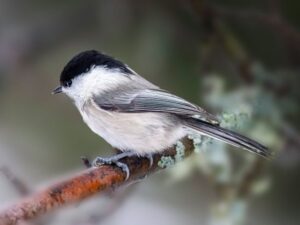
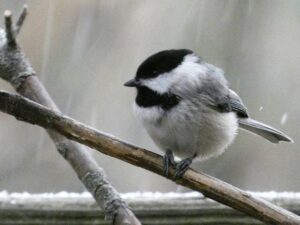
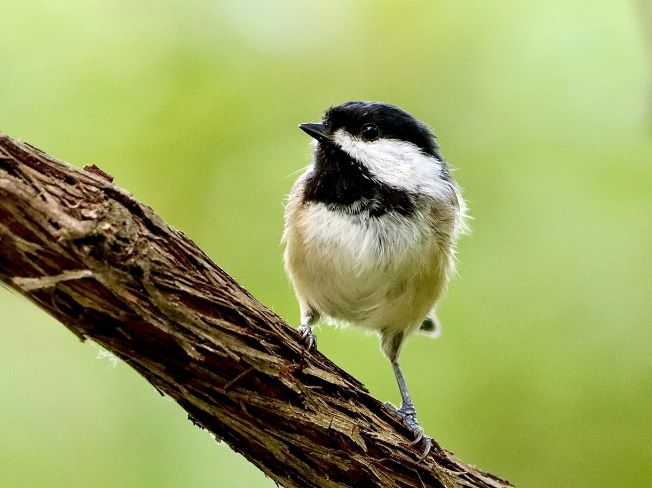
Then I saw movement at the feeder. A black-capped chickadee, quick as a thought, zipped in, grabbed a seed, and hopped back to a branch. Another one followed right behind it. After that, a nuthatch showed up—those little characters that scoot down a tree trunk like they forgot gravity is supposed to work a certain way.
I’m 68 now. I still like being outdoors, but I don’t need to prove anything to winter anymore. Ice on the steps can turn a simple morning into a sore knee for a week. So I’ve settled into something that fits me better: watching birds from a warm indoor seat, right by the window, taking it slow.
If you’re older—or just not feeling steady on your feet in the cold—I guess you know what I mean. You still want those small joys, you just want them without the risk and the fuss.
What I Tried First and How It Turned Out
When I first started, I made it harder than it needed to be. That’s the honest truth.
I hung my feeder too far out because I thought birds needed “space.” From my chair, the birds looked like tiny dots with wings. I’d squint, lean forward, stand up, sit down again. Half the time I wasn’t sure if I was looking at a chickadee or just a leaf stuck to the suet cage.
Then I tried using an old pair of binoculars I had tucked away in a closet. They were good binoculars—years back, I used them on fishing trips—but they were heavy. Holding them up while sitting in a chair made my arms tired fast. Plus, I couldn’t keep them steady. The image bounced around like I was watching birds from a canoe.
So I did what most folks do when something isn’t working: I adjusted a few things, one at a time, and paid attention to what actually changed.
One mild day—mild for Duluth, meaning it was still cold but not biting—I went outside and moved the feeder closer to the window. Not right up against the glass, but close enough that I could see feather patterns without straining. I’d say about 10 to 12 feet away. I also shifted it a little to the left so it lined up with my sitting angle.
That one change made a bigger difference than I expected. Suddenly I wasn’t working so hard just to see what was going on. And when you’re not working so hard, you notice more. You hear more. You relax into it.
That’s when it started to feel like something I could do every day, not just when the weather was perfect.
Little Lessons I Picked Up Along the Way
Here are a few things I learned through simple trial and error. Nothing fancy. Just what worked for me in a small Duluth yard with long winters and a whole lot of early darkness.
My small “set up” that keeps it comfortable
-
Pick one dependable window
I chose the window with the clearest view of the feeder and the least glare in the morning. If the sun hits the glass at the wrong angle, you’ll be looking at your own reflection more than the birds. -
Sit down first—don’t hover
I used to stand at the window like a kid waiting for the bus. My back didn’t love that. Now I sit right away, get comfortable, and let the yard settle in front of me. -
Keep a warm drink within reach
Coffee is my usual. Some mornings it’s tea. Holding a warm mug makes the whole thing feel gentle and unhurried. -
Use a pillow or rolled blanket for support
My lower back isn’t what it used to be. A little support helps me stay seated longer without getting fidgety. -
A simple notepad helps more than you’d think
I jot down what I see—just quick notes like “two chickadees, one downy woodpecker, blue jay at 8:10.” It’s not homework. It’s just a way to notice patterns.
A few feeder habits that helped in winter
-
Don’t overfill everything at once
In cold weather, extra seed can get wet, then freeze, then go bad. I keep it modest and refill more often. -
Offer one “high value” food
In winter, suet is a big one. Woodpeckers love it, and chickadees will sneak in too. Sunflower chips are another favorite around here. -
Keep the feeder visible from your seat
This sounds obvious, but it matters. If you can’t see it clearly from where your body is comfortable, you’ll quit using your nice setup.
The One Change That Made My Mornings Better
There was a week last winter when things felt a little flat. Not bad, just… quiet. Winter can do that. Days are short, and sometimes the sky stays the same color all day long.
I realized I hadn’t been seeing many birds at the feeder. A few, sure. But not the lively little traffic I usually got.
So I did two things:
-
I moved the suet feeder to hang near a tree trunk instead of out on an open hook.
-
I added a simple tray feeder below the hanging feeder to catch fallen seed.
The result surprised me.
Within a couple days, I started getting more visitors—especially woodpeckers. A downy woodpecker showed up first, then later a hairier-looking one that I’m pretty sure was a hairy woodpecker. Chickadees came in more often too, probably because they felt safer darting between the feeder and the nearby branches. Even a blue jay started dropping by, loud as always, like it owned the place.
What changed for me wasn’t just the number of birds. It was my mood.
When the feeder is active, the yard doesn’t feel empty. The morning doesn’t feel like it’s just me and the weather. It feels like life is moving out there, even when it’s 15 degrees and the snowbanks are piled high.
I guess that’s part of why I keep doing it. It gives the day a soft start.
A Gentle Step-by-Step Morning Routine That’s Easy on the Body
I’m not a strict routine person. Never have been. But I do have a loose sequence that helps, especially in winter when I’m tempted to stay in bed an extra hour.
Here’s how most mornings go for me:
-
I check the light before anything else
I look at the sky color and how bright the snow is. If it’s dim and cloudy, I know the birds might be quieter at first. If it’s crisp and clear, they’re usually busy earlier. -
I do a small stretch in the living room
Just shoulders, neck, and calves. Nothing heroic. It keeps me from stiffening up while I sit. -
I make my coffee and bring it to the window chair
That’s my signal to slow down. -
I sit and watch for five minutes without “trying”
This was a big change for me. I used to force it—scan, search, lean, squint. Now I let the birds come to me. Usually they do. -
If I want a closer look, I use something light
Some mornings I just use my regular glasses and move nothing. Other mornings I’ll use a small, lightweight pair of binoculars for a minute or two—no long holding, no strain. -
I write one sentence in my notepad
Even if it’s just “quiet morning, one chickadee.” It helps me feel like I was present for it.
That’s it. Nothing complicated. The point is to make the morning feel kind, not demanding.
What Birds I Usually See Around Here This Time of Year
Winter in northern Minnesota doesn’t bring a ton of variety every single day, but it brings steady companions. And to be honest with you, I like that. Familiar faces are comforting.
From my window, on a typical winter week, I’ll often see:
-
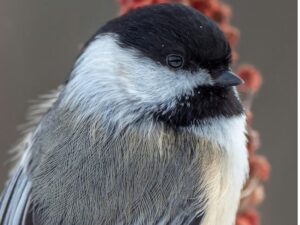
Black-capped chickadees — bold little things, always moving
-
Nuthatches — quick, curious, and a little comical on the tree trunks
-
Downy woodpeckers — regular visitors once suet is out
-
Blue jays — noisy, confident, and surprisingly smart
-
Cardinals — not every day in my yard, but they do show up, and that red on white snow is something else
-
Finches — some winters more than others, depending on what’s going on out in the bigger woods
And then there are those special mornings. The ones where you see something you didn’t expect—maybe a flock moving through, or a bird you haven’t noticed before. Those mornings still give me that little spark of curiosity, the same way they did when I was younger.
Why This Matters More to Me Now at My Age
I don’t need my mornings to be productive in the way they used to be. I spent decades rushing—work, errands, obligations, the whole deal. Retirement has its own challenges, sure, but it also gives you a chance to notice the small stuff.
Watching birds from a warm window seat is small stuff. It’s not a grand adventure. But it’s steady. It’s safe. It meets me where I am.
Some days my knees feel stiff. Some days my hands don’t want to grip much. Some days the wind off Lake Superior makes even the idea of going outside feel like too much. On those days, I can still have a real morning. I can still feel connected to the season instead of hiding from it.
And there’s something else, too. When you sit quietly and watch birds, you’re reminded that life keeps moving. Winter doesn’t stop it. Snow doesn’t stop it. Even the darker mornings don’t stop it.
That’s a good reminder at 68.
A Quiet Closing Thought from My Window
By the time my coffee is half gone, the yard usually looks a little brighter. Sometimes the sun finally breaks through and turns the snow into a clean, bright sheet of light. Other mornings the clouds stick around, and everything stays soft and gray. Either way, the birds do what they do—come in, take what they need, move on.
I sit there in my warm house in Duluth, watching my little backyard like it’s a small theater. No tickets. No noise. Just a handful of wingbeats and the gentle rhythm of a winter morning.
If you’re older and wondering how to enjoy birdwatching without bundling up and braving icy steps, I’ll tell you what I’ve learned: make it comfortable, make it simple, and let the morning come to you. A cozy chair by the window can be more than enough.
Some days, that’s the kind of peace a person really needs.