A Winter Morning by the Kitchen Window Here in Duluth
The other morning I was standing by my kitchen window here in Duluth, hands wrapped around a mug of coffee, just watching the sky slowly lighten. This time of year the sun takes its time getting up, kind of like the rest of us older folks. It was that soft gray-blue you see on winter mornings near Lake Superior, with a little pink along the edge of the clouds if you squint.
Snow covered most of my small backyard, except for the little patch I keep shoveled under the window feeder. The air looked cold even from inside. You can’t hear the wind as much through the glass, but I could see the tops of the pine trees at the back of the yard swaying just a bit, so I knew the lake breeze was doing its thing.
Then the show started.
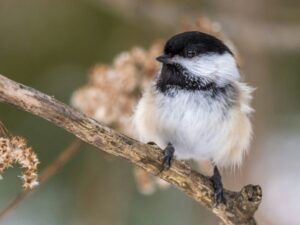
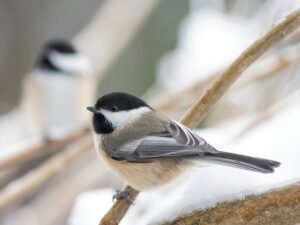
First, a black-capped chickadee bounced in, light as a leaf, grabbed a seed, and darted back to the pine. A second later, a small group of finches dropped onto the feeder tray—some dull gold, some streaky brown and red, not as bright as in summer, but still bringing a little color into a pretty quiet December morning. They were close enough that I didn’t really need binoculars, and that’s saying something at my age.
Standing there, I caught myself thinking, “You know, this is just about perfect for older couples—no steps, no slipping on the ice, just sitting together by the window watching these little birds do their thing.”
I’ve spent a lot of time over the last few years figuring out how to bring finches and chickadees right up to the glass so folks my age can enjoy them without having to march out across the snow. It took some mistakes and a bit of trial and error, but it’s been worth it.
How I First Tried to Bring the Birds Closer
When I first retired, I thought bird watching meant walking through the neighborhood parks with binoculars. Don’t get me wrong, that’s still nice on a mild day. But in December up here, when the cold wind comes straight off Lake Superior and the sidewalks are slick, you start thinking more about staying upright than spotting birds.
So I tried to bring the birds into view from inside the house. My first attempt was pretty clumsy:
-
I hung a regular feeder on a tall pole out in the yard.
-
I figured, “Well, I can just use binoculars from the window.”
-
I didn’t think about how the angle of the window, the glare, or the distance would affect what I could actually see.
What happened was:
-
The birds came, but they were small specks from the kitchen.
-
The glare off the snow and glass made things hard to see unless I stood just right.
-
My wife and I found ourselves leaning forward and squinting, which isn’t exactly relaxing.
One cloudy afternoon, I was standing there, chin almost on the windowsill, trying to make out whether that was a goldfinch or just a sparrow, and my wife said, “You know, Jeremy, if we’re going to watch birds, I’d rather not get a stiff neck doing it.”
She had a point.
That’s when I started thinking about feeders that could sit a little closer to the glass, so we could see the birds clearly without contorting ourselves like we were doing some kind of senior yoga routine.
The First Window Feeder and What Surprised Me
Eventually, I picked up a simple little feeder that sticks to the outside of the window with suction cups. Nothing fancy. I put some finch mix in there—lots of small seeds—and waited.
I’ll be honest, I wasn’t sure the birds would trust something that close to the house. In my head, I thought, “No way they’re going to sit right there a few inches from my face.” But I gave it time.
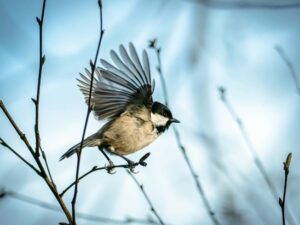
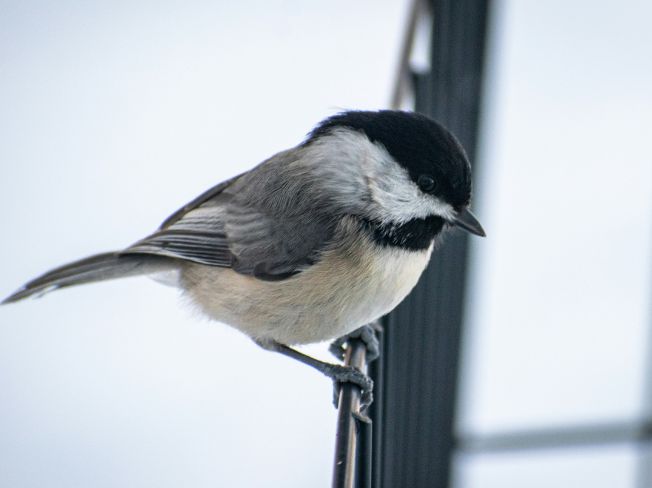
At first, only the chickadees tried it. They’re braver than they look. They would zip in, grab a seed, give a little “chick-a-dee-dee” like they were complaining about something, and zip back to the pine tree. I watched them from just a couple feet away, seeing their tiny black caps and white cheeks in more detail than ever before. It felt almost like having a small visitor at the window.
Then, after a few days, the finches started to come. In winter they’re not as bright yellow as in the summer months, but they still bring a nice splash of color against the snow. You get these soft golds and rusty reds sitting right there outside the glass, turning the head just a little, chipping softly at each other like a bunch of old friends arguing over who gets the good seat.
What surprised me most was how comfortable they seemed with us sitting so close inside. As long as we moved slowly and didn’t slap the window, they went about their business. My wife could sit at the table with her tea, and I could stand by the sink, and we both had a front-row seat.
That little change—just adding a feeder right on the window—turned gray mornings into something we actually looked forward to.
Little Lessons I Picked Up Along the Way
I didn’t get everything right the first time. There were a few things I had to figure out along the way to keep those finches and chickadees coming back and to keep it comfortable for us older folks watching from inside.
Choosing the Right Window
At first, I stuck the feeder on any window that looked convenient. That didn’t work so well. Eventually I learned a few things:
-
East-facing windows are pretty nice in winter.
You get the soft morning light, not the harsh afternoon glare bouncing off snow. -
Avoid super busy spots.
If the window is right where you’re constantly opening and closing the door, the birds spook more easily. -
Think about your favorite chairs.
I ended up putting our main window feeder where my wife and I naturally sit in the morning, so we don’t have to move furniture every time we want to watch.
Keeping It Friendly for Our Joints
Our bodies aren’t as forgiving as they used to be, so I tried to keep things easy:
-
I made sure the window I used is one we can open and reach safely from inside if we need to adjust the feeder.
-
I keep the seed in a light container on the counter nearby, so I’m not lugging heavy bags across the room.
-
I use a small plastic cup to pour seed into the feeder, which keeps spills and bending to a minimum.
The goal is simple: we want to enjoy the birds, not end up icing our backs afterward.
What Finches and Chickadees Seem to Like
I’m no scientist, but after enough mornings staring out the window, you start noticing patterns. Certain little tweaks made the feeder more attractive to the birds we enjoy the most.
A Simple Seed Mix That Works
Here’s what seems to draw in the little colorful birds without too much fuss:
-
For finches
-
A good finch mix with tiny seeds.
-
Thistle (nyjer) seed in a separate tube feeder if you’ve got room near the window.
-
They like to cling and pick slowly, so a feeder with small ports works well.
-
-
For chickadees
-
Black oil sunflower seeds are their favorite in my yard.
-
They don’t mind picking out the bigger seeds from a mixed tray.
-
They grab one seed and fly off, so you see constant coming and going.
-
When I made sure the window area had both smaller seeds and some sunflower, both groups showed up more often. In winter, when food is harder to find under all that snow, they appreciate the buffet.
Keeping the Window Safe for Birds
One thing I worried about was birds flying into the glass. Up here, when the sky is bright and the snow reflects light, the window can look like open space to them. A couple small things helped:
-
I stuck a few faint decals on the outside of the window, just enough to break up the reflection.
-
I kept the feeder close enough that the birds aren’t flying at high speed when they come in.
Since I did that, I haven’t had any hard collisions, and that gives me peace of mind.
A Small Change That Made Watching Easier on Older Eyes
As I got further into this, I realized my eyes aren’t quite as sharp as they were when I was chasing kids around the yard. My wife’s the same way. We can still see fine, but small details at a distance are harder.
One day, after squinting through smudged glass, I finally said, “You know what, we ought to make it easier on ourselves.” So I did two simple things:
-
Cleaned the window properly.
I went outside on a milder afternoon—still chilly, but not bitter—and wiped the outside of the glass where the feeder sits. Then I cleaned the inside too. It sounds obvious, but you’d be amazed how much clearer the birds look after that. -
Tested light binoculars from our chairs.
I have a small pair of binoculars that aren’t heavy. I sat in my usual chair and tried them out just to see if they made much difference. Turned out, I could see the streaks on the finches’ feathers and the tiny black bib on the chickadees much more easily. Because the birds are already close, I don’t have to strain at all.
That little bit of effort made the view feel almost like watching a nature show, except the screen is my own window.
Simple Tips for Older Couples Who Want a Window Show
If you and your partner are thinking about doing something similar, here are a few simple things that might help. Nothing fancy, just what’s worked here in my small Duluth backyard.
Picking a Good Spot
-
Choose a window near your favorite seats—kitchen table, recliners, or the couch.
-
Make sure there’s no big drop outside the window where you’d have to lean dangerously to reach.
-
If you can, pick a side of the house that doesn’t get blasted by the strongest wind off the lake.
Making the Routine Easy
-
Keep seed in small containers inside, not huge heavy bags.
-
Use a cup or small scoop instead of pouring straight from the bag.
-
Refill the feeder at the same time each day, maybe with your morning coffee or afternoon tea. It becomes a nice shared ritual.
Keeping It Comfortable
-
Don’t feel like you have to memorize every bird name.
You can say “that little yellow one” or “the black and white one” and enjoy them just the same. -
Try to limit how long you stand at the window.
Pull up a chair or lean against the counter so your back doesn’t get tired. -
On very cold days when the glass fogs up, keep a soft cloth nearby to wipe a little viewing patch.
This doesn’t have to be a project. It’s more like creating a small, cozy theater where the show is right outside the glass.
A Quiet Evening Moment That Stuck With Me
One late afternoon not long ago, the sky was turning that deep blue that comes before dark, and the street out front was quiet. Snowbanks along the sidewalks had that grayish crust on top where the plows had gone by earlier. You could feel the temperature dropping, even from inside.
My wife and I were sitting at the kitchen table finishing supper. The lights inside were low, so there wasn’t much glare on the window. A small group of finches was still visiting the feeder, picking at the last of the seed. A chickadee squeezed in between them, grabbed a big sunflower seed, and hopped to the side, almost like it knew how to cut in line politely.
We didn’t say much. We just sat there, watching these tiny birds work their way through their own routines as the day faded. After a while, my wife said, “You know, this is my favorite part of winter now.”
I knew exactly what she meant. In a season that can feel long up here—short days, early snow, cold wind off the lake—having that little patch of color and movement right at the window makes the days softer. It doesn’t fix everything in life, but it sure brightens the edges.
Why These Little Birds Matter More to Me Now
At 68, my life moves slower than it used to. I don’t rush out the door in the dark to get to work. My knees complain about shoveling, and my back lets me know if I push too hard. A lot of my world these days is my small backyard, the porch, the kitchen window, and the occasional slow walk through a neighborhood park lined with pine trees.
That might sound small to some folks, but to me it feels just about right. I guess you learn to live more inside the moments you have, instead of always chasing the next big thing.
Watching finches and chickadees right up close—seeing their colors, their quick movements, the way they argue quietly over a seed—gives my days a gentle rhythm. For older couples, it’s something you can share without needing a lot of energy or perfect health. You just sit side by side, maybe with a warm drink in hand, and let the birds come to you.
If you’re thinking about trying this, I’d say start simple: pick a good window, hang a small feeder, put out some seeds those little birds like, and see who shows up. You don’t have to know all their names. You don’t have to keep a notebook or join a club unless you want to. Just let them be what they are—a bit of color and life at your window, especially on cold Duluth days when the streets are quiet and the lake wind is doing its best to rattle the eaves.
It’s a pretty nice way to spend this stage of life, if you ask me.