A Morning Here in Duluth That Got Me Thinking About This
The other day, I was sitting in my living room with a blanket over my legs, waiting for the house to warm up a bit before I made breakfast. We’ve been getting those typical Duluth winter mornings — cold air drifting down from the hill, snowflakes blowing sideways once in a while, and that steady gray sky you kind of settle into whether you want to or not. Lake Superior has been loud lately, rumbling underneath the wind, almost like it’s clearing its throat.
As I sat there, coffee cooling on the end table, I heard a familiar sound through the window. A chickadee calling out — that bright “chick-a-dee-dee-dee” cutting right through the quiet of the house. It made me smile. It’s funny how, even in winter, the birds reach us when our joints are stiff and we’d rather stay warm indoors.
That morning, I got to thinking about how comforting it is that some of the birds around here are easy to recognize without even getting up. At my age, I appreciate that more than ever. I can’t always rush outside or grab binoculars in time, but the sounds still come to me wherever I’m sitting. Pretty nice, you know?
It reminded me how many older folks I know — neighbors, folks from the grocery store, even my old bowling buddy — say they love birds too but can’t always spot them the way they used to. Hearing them from inside feels like a small gift. And there are quite a few songbirds in Duluth winters that make themselves known without you having to strain or step out into the snow.
What I Noticed First and How It Turned Out
Back when I first moved to this house, I didn’t pay much attention to bird sounds. I figured you had to be outside to really notice anything. But after a couple winters of stubborn cold and my knees putting up a fuss every time I got up too fast, I realized the birds were still there in their own way.
One day, I heard a long whistle from the spruce tree beside the garage. I thought it was some kind of alarm, like a neighbor’s device chirping or something. Turned out it was a cardinal. I didn’t even know they stuck around in northern winters, but there he was — a bright red flash against the snow — and that clean, clear whistle matched exactly what I’d heard from my recliner earlier in the morning.
Little discoveries like that kept happening. A nuthatch’s nasal yank-yank call echoing from the pine, or the chickadees acting like little winter cheerleaders even on the coldest days. I guess I was surprised by how recognizable they became when I listened regularly. Once you hear something enough, it sort of settles into your memory.
Now I pay attention the moment a sound cuts through the quiet. Makes the winter days feel less long.
Songbirds I Can Identify Just by Sound from Inside the House
Some birds stick around through winter, and others show up more once spring starts creeping in. But a handful of them have voices that carry right through the windows — even closed ones — and you don’t need perfect hearing or fancy equipment to notice them.
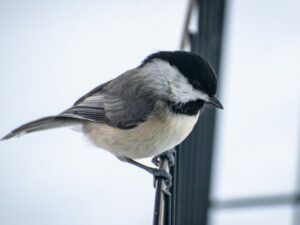
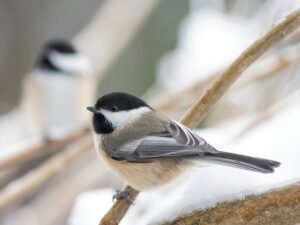
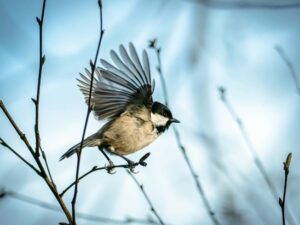
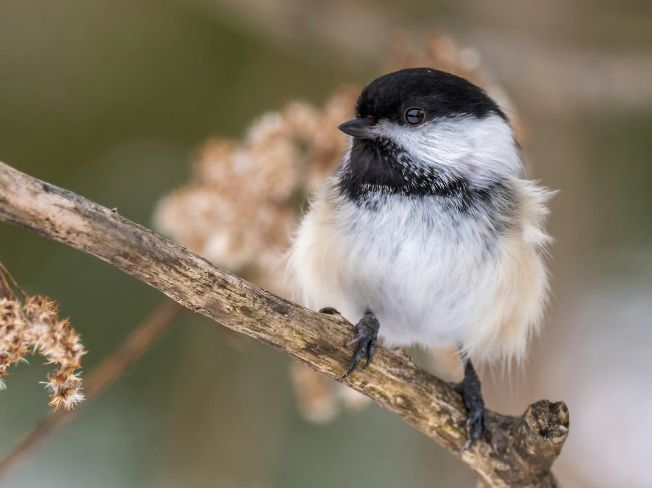
The Chickadee
This little guy has to be one of the easiest birds to recognize in Duluth. Their call is bright and friendly. Sometimes it’s that typical “chick-a-dee-dee,” and other times it turns into a slow, whistled “fee-bee.” I used to think those were two different birds until I saw one making both sounds.
They’re small, but they’ve got a big personality. Even on a gloomy day, they sound cheerful. Their voices carry surprisingly well through the house, especially when they sit on the branches near the porch.
The Cardinal
A male cardinal’s whistle cuts right through almost anything — snowstorms, vacuum cleaners, you name it. It’s a clean, sharp “cheer-cheer-cheer” or sometimes a long sliding whistle. I first recognized it from my recliner long before I ever spotted one in the yard.
It’s a strong sound, almost like it’s meant for folks like me who move slower and don’t catch everything visually.
The White-Breasted Nuthatch
These little upside-down climbers have a funny sound — a kind of nasal yank-yank. I didn’t appreciate it much at first. Thought maybe it was a distant car alarm. But once I matched the call to the bird, it became easy to pick out.
They’re active in winter, hopping along trunks and branches in a way that feels almost playful.
The Blue Jay
Blue jays are not shy. Their calls are bold and loud — a sharp jay-jay or sometimes something that sounds like a squeaky gate. They don’t visit as quietly as chickadees, that’s for sure.
I can usually hear them even when I’m in the kitchen with the water running.
The House Finch
These finches show up more once the weather warms a little, but even now, if the day isn’t too cold, I hear their long, bubbly song. It sounds like someone playing a tiny, cheerful flute. They tend to sit on the upper branches where the sound can carry across the yard.
Little Lessons I Picked Up Along the Way
You don’t need much to enjoy birdsong from inside. A warm seat, a cup of something you enjoy, and a bit of patience goes a long way. But I’ve learned a few small tricks that make it easier for someone my age.
A Few Gentle Tips That Help Me Catch More Sounds
Crack the window a little on calm mornings.
Not wide — just enough to let sound in without losing all the heat. Calm days carry sound well, especially when the snow is fresh and the air still.Keep one feeder close to the house.
Doesn’t have to be right up against the window, but close enough that birds perch on nearby branches. Their calls stand out when they’re comfortable near your home.Turn off background noise for a minute.
I used to keep the TV on as background company, but even muting it for a bit helps bird calls pop out.Learn one bird at a time.
I made the mistake of trying to memorize every call. My brain doesn’t work that fast anymore. Listening for one bird — maybe the chickadee — made everything easier.Notice the time of day.
Birds have their own routines. Mornings tend to be pretty lively, especially once the sun hits the treetops.
These aren’t complicated steps. They just make the birds a little easier to hear, especially when your body feels more comfortable indoors than out.
How I Adjusted My Setup and What Happened
Last winter, I moved one of my feeders closer to the big living-room window. Not too close — just enough that the birds started favoring the branches on that side of the yard. I thought it might make a small difference.
Well, it made a big one.
Within a few days, I was hearing chickadees more often, sometimes even a nuthatch calling out before sunrise. I didn’t expect the sound to carry so clearly, but maybe the angle of the house helps. Or maybe the cold air sharpens everything a bit. Either way, it made mornings feel a little more lively.
It also lifted my mood. Some winter days feel long, especially after the holiday lights come down and the streets get quieter. Hearing a bright little call from the yard reminds me that life keeps going out there, no matter what’s happening with my joints or my energy.
A Few Bird Calls Older Ears Tend to Pick Up Easily
Not everyone hears the same frequencies as they get older — I sure don’t — but some bird voices stay familiar even as hearing shifts.
Cardinal whistles: clear, strong, and steady
Blue jay calls: loud and unmistakable
Chickadee calls: bright and friendly, easy to recognize
Nuthatch calls: nasal and repetitive
Finch songs: bubbly and musical
These birds don’t hide their voices. They’re like neighbors who always greet you even when you’re half-awake.
Why This Matters More to Me Now at My Age
When I was younger, I didn’t think much about the difference between seeing and hearing birds. I’d be outside more, moving around faster, catching glimpses of wings and colors. These days, my pace is slower. Some mornings I sit longer before I get up. Some days the cold keeps me inside entirely.
But the birds still come to me. Their voices reach right into the house, through the double-pane windows, across the living room where the heat registers click on and off. I guess that feels comforting — like the world hasn’t forgotten me even if I’m not out there walking the trail behind the neighborhood park as often.
There’s a gentleness in recognizing a bird by sound alone. It makes you feel connected without needing to rush or strain.
A Quiet Reflection to End On
Winter in Duluth can feel heavy sometimes — long nights, early sunsets, and that steady cold that settles in your bones a little more each year. But hearing the familiar voices of birds from the warmth of my living room reminds me that there’s still color and life in the world, even on the grayest days.
If you’re someone who can’t always step outside or lift binoculars like you used to, I’d say let the birds come to you. Their songs carry farther than you think, and once you start recognizing them, your mornings feel a little lighter.
Even at 68, I still find myself smiling when a chickadee calls out or a cardinal whistles from the maple tree. It’s a small reminder that nature doesn’t ask much of us — just that we listen when we can.