A Chilly Morning Here in Duluth That Got Me Thinking About This
One October morning here in Duluth, I stepped out onto the little back porch with my first cup of coffee. The air had that sharp edge it gets when the first snow isn’t too far off. You can feel the cold coming in off Lake Superior, even if you can’t quite see the water from my place. The sky was that pale gray that makes the pine trees in the neighborhood look darker and taller somehow.
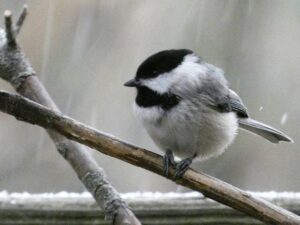
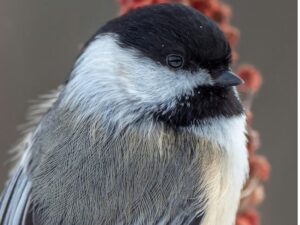
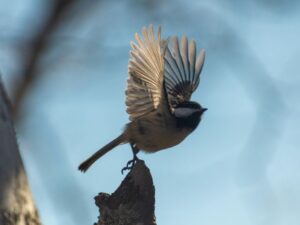
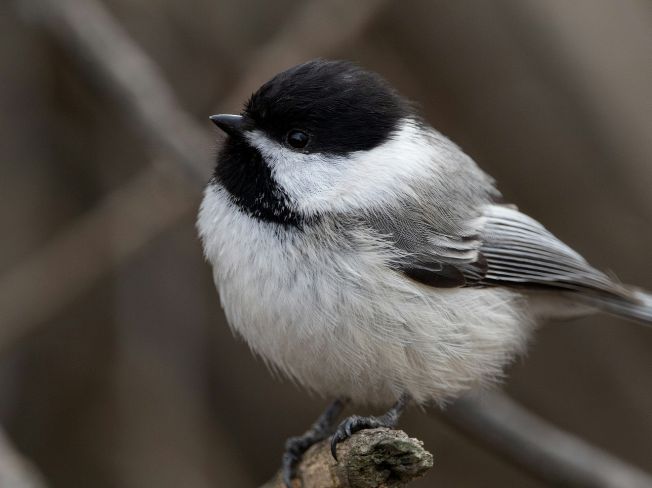
I was standing there, holding onto the railing a little more than I used to, just waking up slowly, when a black-capped chickadee zipped in and landed on my feeder. Just one little bird on a quiet, cold morning. But that tiny bird seemed plenty busy, hopping around, grabbing one seed, then another, flicking the shells down onto the deck.
I remember thinking, “Well, you don’t seem to mind the cold.” I, on the other hand, could already feel my knees complaining and my hands getting stiff. I can’t walk as far as I used to, and standing for long stretches isn’t exactly my favorite thing anymore. The idea of hiking through the woods with a camera and a big pair of binoculars sounds nice in theory, but in real life, my legs and back vote no.
So I figured, if I’m going to keep enjoying birds, I need to make it work from my own backyard, and I need to make it gentle. Slow. Something my body can handle on a regular day, not just the rare “good” day. That little chickadee, busy on the feeder while I leaned on the porch rail, kind of pushed me in that direction.
What I Tried First and How It Turned Out
At the start, I made a few choices that sounded smart in my head and turned out to be, well, not so great.
For one thing, I bought a pair of binoculars that looked impressive online. They were powerful and, as I found out, heavy. I remember the first time I tried them. I went out behind the house, near the old maple tree, and lifted them to my eyes. After about two minutes, my shoulders were burning and my neck felt tight. I set them down on the patio table and just watched with my own eyes.
Another time, I hung a feeder way out in the yard on a tall shepherd’s hook. I thought, “Closer to the trees, more natural, the birds will love that.” The birds did like it, but I couldn’t see much from my living room chair or my favorite spot on the porch. I’d find myself shuffling out there, squinting, trying to make out whether that was a goldfinch or just another sparrow. With my balance not being what it used to be, all that extra walking back and forth wasn’t the best plan.
I also tried mixing all sorts of fancy seeds because I read about them. Let’s just say the birds were picky. Some of the seed sat in the feeder for too long, got clumpy, and I ended up throwing it out. That kind of thing bugs me. I was overcomplicating something that really didn’t need to be complicated.
Those early attempts taught me a simple lesson: if a setup makes me tired, sore, or frustrated, I won’t stick with it. I needed a routine that fit where I’m actually at in life now, not where I was 20 or 30 years ago.
Keeping Things Easy on the Body
These days, I think of my birdwatching as part of my daily rhythm, not some big event. The key for me has been arranging things so my body doesn’t have to work too hard. I move slower. I rest more. I sit down whenever I can.
The first change I made was bringing the action closer. I moved my main feeder in so it hangs just off the porch, only about ten or twelve feet from where I usually sit. That way, I can see chickadees, nuthatches, and sparrows clearly with my regular glasses, and if I feel like using binoculars, I don’t have to hold them up very long.
I also picked one sturdy chair with good armrests and parked it where I get a clear view. It’s nothing fancy, just a solid outdoor chair that doesn’t wobble. I added a small side table next to it so I can set down my coffee, my lighter binoculars, and maybe a little notebook. That way I’m not juggling things in my hands, which is when I tend to drop them.
A Simple Setup That Works for Me
If someone asked me how to keep backyard birdwatching gentle when your body’s not what it used to be, I’d probably suggest something like this:
Pick one main spot to sit. A porch chair, a recliner near a window, or even a comfortable kitchen chair by the sliding door.
Keep feeders within easy view. Around 10–15 feet away is pretty nice. Close enough to see, not so close that every movement scares the birds.
Use one or two feeders, not a whole collection. I use a basic tube feeder and, in winter, a suet cage for the woodpeckers. That’s enough to keep me interested.
Choose a light pair of binoculars, if you use them at all. Mine are small and not too powerful, but they’re easy on my hands and neck.
Make paths safe. If you do walk out to the feeder, keep the path clear of ice, snow chunks, or loose hoses. Around here, a patch of ice can sneak up on you.
For folks with limited mobility, watching from inside works just fine. I sometimes sit in my living room on the colder days, wrapped in a blanket, and watch through the big window that faces the backyard. The birds don’t know the difference, and my knees appreciate it.
Little Lessons I Picked Up Along the Way
After a while, I noticed certain patterns that made my days easier and, honestly, more enjoyable.
One thing I learned is that birds like routine almost as much as I do. When I keep the feeders filled on a regular schedule, the birds show up more reliably. My own body likes routine too. If I try to do a bunch of bending and lifting on a day when my joints are stiff, I pay for it later.
So I started spreading things out. Instead of fussing with feeders every day, I usually pick two days a week to refill and tidy things up. I take my time, lean on the porch railing when I need to, and stop to catch my breath now and then.
A Few Gentle “Do’s” That Help Me
Do work with the weather, not against it. On those bitterly cold mornings when the wind off Lake Superior cuts right through you, I watch from indoors. On mild days, I sit outside a bit longer.
Do keep seed simple. Black oil sunflower seeds have brought in a nice variety of birds for me—chickadees, nuthatches, finches, even some jays now and then.
Do let yourself sit and just listen. Some mornings I close my eyes and listen to the calls and the wind in the pine trees behind the houses. It’s a pretty nice way to start the day.
Do ask for a little help if you need it. A neighbor kid, a friend, or a family member can help hang a new feeder or adjust the height so you’re not climbing on a ladder.
A Few Things I Don’t Bother With Anymore
I don’t try to identify every single bird down to some complicated subspecies. If I’m pretty sure it’s a chickadee or a downy woodpecker, that’s good enough for me.
I don’t lug heavy gear around. No huge binoculars, no big camera bag. My back has already voted against that.
I don’t try to stand out in the yard for long stretches. If I’m outside, I sit. My birdwatching is built around comfortable sitting now.
These small decisions keep the whole thing gentle. At my age, I’m not trying to impress anyone. I just want to enjoy the birds without wearing myself out.
The Day I Moved the Feeder and What Happened Next
One small change made a surprising difference.
Last winter, we had one of those weeks where the snow just kept coming, and the wind off the lake pushed drifts up against the fence. I noticed I hadn’t been going outside to check the feeder as much. My legs felt heavy, and I was honestly a little nervous about slipping on the ice patches that form near the steps.
So one sunny but cold afternoon, I asked a neighbor to come over for a minute. Together, we moved the main feeder from the far side of the yard to a spot just off the corner of the porch, closer to the dining room window. We also lowered it a bit so I could reach it more easily without stretching.
After that, a few things changed:
I could refill the feeder by stepping out just a few feet, holding the rail with one hand.
I could see the birds really clearly from both the porch chair and the dining room table.
I found myself watching more often, just for a few minutes at a time, because it was right there.
What surprised me was how much more connected I felt to the day. Instead of one long “birdwatching session,” I had several small moments sprinkled through my routine—while my coffee was brewing, after breakfast, or while I was resting in the afternoon.
My mood shifted too. On days when my joints were aching or the wind sounded a little lonely through the pine branches, those quick glimpses of chickadees bouncing around the feeder made the day feel less heavy. It’s a small thing, but small things add up.
Making a Slow Routine You Can Actually Keep
If your body doesn’t let you move like you used to, rushing around is not the goal. The goal, at least for me, is to build a calm pattern that fits into the life you actually have.
Here’s a simple kind of routine that’s worked for me, more or less:
A Gentle Day-By-Day Pattern
Morning check-in.
I pour my coffee, take a look out at the feeder from the kitchen or the porch, and just see who’s visiting. Some mornings it’s busy, some mornings it’s quiet. Either way, I give myself a few unrushed minutes.Short stretch of “tending” twice a week.
On two days that feel right to my body, I top off the feeder and brush away any seed hulls that are piling up on the railing. I move slow, hold onto something steady, and take breaks if I need them.One small note or memory.
I keep a little notebook on the side table. I might write, “First goldfinch of the season” or “Woodpecker on the suet in the snow today.” Nothing fancy. Just a reminder that time is moving and that I’m still here to see it.Evening glance.
Late in the day, when the light gets soft, I sometimes sit by the window or on the porch (if it’s not too cold) and take one last look. The neighborhood gets pretty quiet then—just a few cars on the residential street, maybe a dog barking down the block. It’s a nice, gentle way to close out the day.
For someone with more limited mobility than I have, this could all happen from one single chair by a window. You don’t have to step outside at all if that’s too much. A well-placed feeder and a clear view out the glass can bring plenty of life right to you.
Why These Quiet Moments Matter More to Me Now at My Age
When I was younger, I didn’t think much about how many seasons I’d get. Winter was just something to drive through, and summer was just something to rush across, getting from one thing to the next. Now, at 68, living here in Duluth with the long winters and the stubborn late springs, I feel the turning of the seasons a lot more.
Some mornings the lake sends in a thick fog that hangs over the neighborhood. Other days, the sun comes up bright and clear, lighting up the snowbanks or the summer lawns. My body slows me down now, so I notice more—the sound of the wind in the pine trees at the park, the way a nuthatch climbs down a trunk headfirst, the soft thump of snow sliding off a roof.
Birdwatching from my backyard isn’t a big, fancy hobby for me. It’s more like a small thread that runs through my days. It gives me a reason to open the blinds, to sit up a little straighter, to step outside for just a minute when the air isn’t too harsh.
There’s a kind of comfort in knowing that, even when my own legs feel unsteady, the chickadees are still out there, doing their thing in all kinds of weather. The juncos show up when the snow comes, the robins return when the ground starts to soften, and the whole cycle keeps turning whether I’m moving fast or slow.
A Quiet Word to Anyone Just Getting Started
If you’re older, or your body just doesn’t cooperate the way it used to, I get that. Some days, even walking out to the mailbox can feel like more of a chore than it should. Trying to pick up a new hobby can sound tiring before you even begin.
The nice thing about watching birds from your backyard, or from a window, is that it doesn’t have to be big or impressive. You don’t need expensive gear. You don’t have to memorize every species. You just need a comfortable place to sit, a simple feeder in a good spot, and a little bit of patience.
Start small. Maybe it’s just five quiet minutes in the morning with your coffee, looking out at one feeder. Maybe it’s writing down the first time you notice a new bird, or the day you see them puffed up against the cold. As time goes on, those little moments stack up into something pretty meaningful.
Here in Duluth, with the long winters, the wind off Lake Superior, and the quiet of the neighborhood streets, those small, steady routines keep me grounded. I may move slower now, but I’m still part of the world outside my door. The birds remind me of that every day.
If you’re thinking about giving this a try, I’d say: make it gentle, make it easy on your body, and let the birds come to you. You might be surprised at how much peace you can find just by sitting still and watching who shows up.