
A Cold Morning on the Porch That Got Me Thinking
One winter morning here in Duluth, I stepped out onto my little back porch with a mug of coffee and that familiar sense of bracing myself for the cold. You probably know the feeling. The air hits your face first, sharp and clean, and you can see your breath hanging there for a second before it disappears.
The sky was a pale, washed-out blue, the kind we get a lot in December up near Lake Superior. The sun was just dragging itself up, slow and low, the way us older folks get moving on these short winter days. The tops of the pine trees along the back fence were swaying a little in the breeze coming off the lake, and the snow on the rail had a thin crust of ice over it that sparkled when the light caught it.
I set my coffee down and went to sit on the old wooden chair I keep on the porch. As soon as I bent my knees and settled down, both of them complained at the same time. It wasn’t a sharp pain, more like a firm reminder: “Hey, we’re not thirty anymore.” After a few minutes of sitting there, they stiffened up even more, and getting back up felt like trying to push a car out of a snowbank.
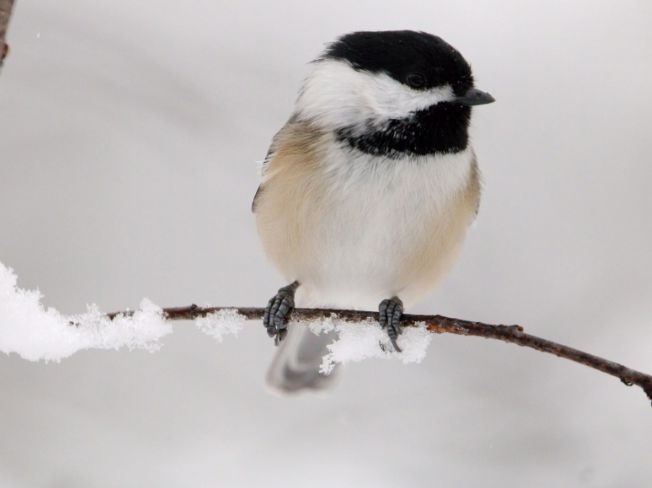
As I stood there rubbing my knees, watching a couple of chickadees hop between the feeder and the pine branches, I thought, “You know, if I’m going to keep doing this—sitting out here watching birds, taking in the quiet—I need a better way to sit. Something lighter, softer, kinder on these joints.”
That little thought is what started me down this path of figuring out a comfortable, easy-to-move foam-cushioned stool that works for folks whose knees have seen a lot of miles, like mine.
How My Old Seating Setups Let Me Down
I didn’t arrive at the right stool overnight. I tried a few things that sounded fine in my head and didn’t work so well in real life.
The Heavy Wooden Chair
First, I had that sturdy wooden chair out on the porch. Looked nice enough, and it made me feel like I was on the deck of some old cabin. The trouble was:
It was heavy, hard to nudge around when I wanted to change my viewing angle.
The seat was hard, and even with a thin cushion, my knees didn’t love the angle.
Getting up from it took a fair bit of pushing with my arms, especially if the cold had already stiffened everything up.
On one especially chilly afternoon, I sat longer than I meant to, listening to the wind hum through the neighborhood and watching juncos flick snow off the ground with their little feet. When I finally went to stand, my knees locked up so much that I had to rock myself forward a few times just to get moving. I remember thinking, “This is ridiculous. The birds look great, but I don’t want to pay for it with aching joints all evening.”
The Cheap Plastic Stool
After that, I tried one of those lightweight plastic stools. I figured, “Well, it’s light, I can move it easily, this should fix it.” It did solve the weight problem, but it caused a few others:
The seat was too hard and small.
There was no give in it at all, so my knees felt every second I sat there.
It was just a bit too low, so standing back up felt like trying to get out of a deep couch.
One breezy day, with a cold wind sliding in from the lake and a few flakes floating around, I sat on that thing for maybe ten minutes. My knees were yelling almost right away. The air was crisp, the chickadees were chattering, a downy woodpecker was working the suet, and my joints were miserable. I shuffled back inside and told myself, “You’re close, but not quite there, Jeremy.”
That’s when it really clicked: I needed something that was both lightweight and soft, with enough height and support so my knees didn’t pay the price.
What My Knees Taught Me About Sitting Outside
At 68, you start making decisions with your knees, your back, and your balance in mind. I still love stepping outside on these winter mornings—feeling that first bite of cold, hearing the distant hum of traffic on a quiet residential street, seeing chickadees and nuthatches work the feeder—but I know I can’t just plop down anywhere for any length of time.
Over time, I realized a few things:
Height matters.
If the stool is too low, it’s hard to stand back up without pushing and straining. A seat that lets your knees stay somewhere near a right angle, not all scrunched, is a lot kinder.Cushion matters.
Hard seats send all the pressure right into your joints. A good foam layer spreads that out a bit, so you don’t feel like you’re sitting on a rock.Weight matters.
I don’t want to drag around heavy furniture every time I want to shift six inches to avoid the wind or get a better look at a bird.Stability matters.
On a porch or patio that can get icy or a little uneven, a stool with a solid base and non-slip feet is a whole lot safer than something wobbly.
These are simple things, but when you put them together, they make the difference between a short, painful sit and a long, pretty nice one, where you can actually enjoy the sound of the wind in the pines and the birds flicking seed off the feeder tray.
Finally Finding the Right Kind of Foam Stool
After those early experiments, I started paying closer attention any time I saw seating that looked promising—at a neighbor’s house, at the hardware store, even in the garden section of a big-box place in town.
One day in late winter, when the snowbanks along the streets were still high but the days were starting to stretch out just a little longer, I came across a small, foam-cushioned stool meant for gardening. It wasn’t fancy—just a light frame with a decent-sized padded top. But I picked it up and noticed a few things right away:
It was light enough to carry with one hand, even when my shoulder was feeling stiff.
The foam top was thicker than the usual chair cushion, with a little bit of give.
The height seemed just right—not too low, not too tall.
The legs had rubber tips so it wouldn’t slide easily on concrete or wood.
I remember thinking, “This might be the one.” So I brought it home, set it on the back porch, and gave it a proper test.
A Simple Checklist That Helped Me Decide
Looking back, these are the questions I asked myself, and they might help if you’re looking for something similar:
Can I pick it up easily with one hand?
If I have to brace myself and grunt, it’s too heavy.Does the foam feel supportive without being like a rock?
I like it when it gently gives under me but still feels solid.When I sit down, are my knees higher than my hips?
If yes, it’s too low for me. Standing up will be harder.Does it feel steady when I shift my weight?
Bird watching can mean leaning a bit to one side to follow a bird. I want the stool to stay put.Can I move it a few inches with my foot without it sliding too far?
Just a little repositioning is helpful, but it shouldn’t skate away like a hockey puck on ice.
That little garden stool passed the test better than anything I’d tried before.
Putting the Foam Stool to Work in My Backyard Bird Routine
Once I had that stool, I started weaving it into my usual rhythm here in Duluth.
Most winter mornings go something like this: the sun drags itself over the horizon around eight or so, the houses along the street are still quiet, and the air out back feels almost metallic—cold, thin, and very awake. I fill my mug, top off the feeder if it needs it, and bring the stool out onto the porch.
I set it in a spot where:
I can see the feeder clearly.
The wind coming off Lake Superior isn’t hitting me full in the face.
I’ve got a railing or doorframe nearby in case I need a handhold.
Then I sit.
The first time I gave it a real trial, I paid attention to my knees. Sitting down was smoother—no big drop, just a small bend. The foam cushioned my weight, so there wasn’t that sharp pressure through the joints. I watched chickadees drop in like little wind-up toys, grabbing a seed and zipping back to the pine. A downy woodpecker worked the suet cake, tapping slow and steady. Juncos scratched around on the shoveled patch below, sending bits of snow flying.
I sat there longer than usual, honestly. Maybe twenty, thirty minutes. And when I went to stand up, my knees didn’t fuss the way they usually did. I could lean forward a bit, push lightly with my legs, and I was up.
That small change did a few things for my daily routine:
More time outside.
I wasn’t rushing back in because of joint pain. I could actually enjoy the quiet.Better mood.
There’s something about starting the day with a calm moment watching birds that makes the rest of the day feel less heavy.Less fear of stiffness.
Knowing I wouldn’t be hobbling around afterward made it a lot easier to say, “Yeah, I’ll go sit out for a bit.”
Little Lessons for Folks With Sensitive Knees
If your knees have a lot of stories to tell, like mine, here are a few friendly things I’ve learned about using a light foam stool in winter:
Keep It Dry and Stable
Put the stool on a cleared patch—no ice, no loose snow.
If your porch or patio gets slick, sprinkle a little sand or use a rubber mat.
Don’t set it near the very edge where drifting snow can melt and refreeze.
Adjust Your Sitting Time
Start with short sits—maybe 10–15 minutes—and see how your knees feel.
If they’re okay, you can stay longer next time.
Set a little timer inside, if you tend to lose track watching birds like I do.
Use Your Hands When You Stand
Keep a hand on a railing or doorframe when standing up.
Lean forward a bit so your weight goes over your feet.
Take your time; there’s no prize for popping up fast at our age.
Keep the Stool Handy Year-Round
Even when winter finally lets go—which can take a while up here—and we start getting brighter mornings, I keep using that stool:
On cool spring days, when snowmelt is still trickling along the curb and early birds are checking out the yard.
On early summer mornings, when the air is soft and you can hear more birds singing in the neighborhood trees.
On fall afternoons, when the light gets lower and the air turns crisp again.
It’s become part of my little kit, right along with my light binoculars and the scoop for birdseed.
Why This Small Seat Matters More to Me Now
At this stage of life, I find that a lot of the big, noisy things I used to care about don’t matter so much anymore. What sticks with me are the small, steady comforts: a warm mug in my hands, the sound of the wind through the pine branches, a chickadee scolding from the feeder, a woodpecker’s slow tap on a cold morning.
Living here in Duluth, with the long winters, early snow, and that stubborn cold wind off Lake Superior, you have to make friends with your own little patch of the world. For me, that patch is my small backyard and the porch that looks out on it. If my knees won’t let me stand long, that’s okay. I’ve got a seat that’s light, soft, and easy to move, so I can still be out there in the middle of it.
Choosing a foam-cushioned stool that’s kind to my joints might sound minor compared to the big stuff in life, but it has kept me connected to something that brings me a lot of peace. It turns bird watching from something I “pay for later” into something I can do most days without thinking twice.
If you’re someone whose knees have started to argue with you, I’d say this: don’t give up on the porch, or the patio, or that little corner of the yard where the birds come. Just give yourself a better place to sit. Find something light, cushioned, and steady. Let it support you while you listen to the winter wind, watch the chickadees and juncos, and quietly enjoy the life going on right outside your door.
It’s a pretty nice trade, if you ask me—one small stool for a lot of good, quiet moments.