A Chilly Duluth Morning That Got Me Rethinking Things
One morning here in Duluth, not too long after the first real snow had settled in, I shuffled out onto my little back porch with a mug of coffee in my hand. The sky was that soft, pale blue you sometimes get after a storm, and I could feel the cold in my nose and in my fingers even though I hadn’t been outside more than a minute. There was that faint, damp bite in the air that tells me the wind’s coming off Lake Superior, even if I can’t see the water from my yard.
My small backyard was quiet. The pine tree in the corner had a thin frosting of snow on its branches, and the old wooden fence along the alley had a little ridge of white on top too. It was early, the kind of early where the neighborhood is just waking up. A car started somewhere down the street, and I heard a dog bark once and then give up.
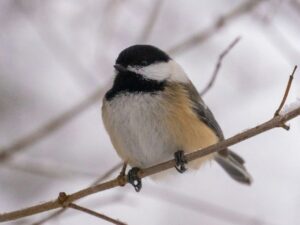
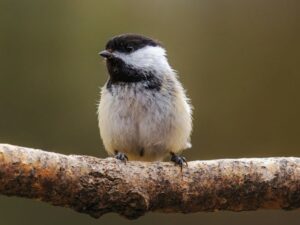
I looked over at my feeder. The thing was hanging kind of crooked, half full of seed. A chickadee zipped in, grabbed one seed, and darted back into the pine like it was on a tight schedule. A few seconds later, another one did the same thing. They were doing their usual dance, but I was the one feeling different.
The day before, I’d lugged a big bag of birdseed from the trunk of the car, across a patch of crusty snow, up the steps, and out to the storage bin I keep near the porch. My knees didn’t like that at all. My back had been grumbling about it all evening. I remember standing there that morning, watching those tiny birds, and thinking, “You guys weigh maybe an ounce, and somehow I’m hauling fifty-pound bags to feed you.”
At sixty-eight, I don’t bounce back from that kind of thing the way I used to. I can’t just heave big bags and heavy feeders around without paying for it later. So I stood there in the cold, feeling my knees, feeling my back, sipping coffee, and I thought, “There’s got to be a gentler way to do this.”
I still wanted the birds. I still wanted the quiet company in the mornings, the little bit of color on gray days, the feeling that my small backyard is alive, even when the streets are icy and the trees are bare. I just didn’t want the whole project to feel like a workout at the same time.
That was the morning I really decided to figure out a setup that doesn’t ask so much from my body. Something simple, relaxed, suited to an older fellow who can’t be carrying big loads all over the yard anymore, you know what I mean.
When Heavy Feeders Started to Feel Like Too Much
When I first got into backyard birdwatching more seriously, I’ll admit I went a little big. I bought one of those large tube feeders that holds a lot of seed, plus a big hopper-style feeder that looks a bit like a tiny house. My thinking back then was, “If it holds more, I won’t have to refill as often.” That made sense to me at the time.
What I didn’t think about was the weight.
A full feeder, especially one that holds several pounds of seed, gets heavy fast. And if you have to lift it above shoulder height to hang it on a hook, or carry it across a snowy yard, that’s a lot of strain on older shoulders and a stiff back.
Same story with the seed bags. I used to grab those big, bargain-sized bags—forty or fifty pounds. They were cheaper per pound, and I liked the feeling of being stocked up. But getting them from the car to the house, from the house to wherever I stored them, and then bending down to scoop from way down near the bottom, started to feel like a little too much for me.
There was one afternoon in particular. It was late fall, cold and damp. The sky had that steel gray color, and everything felt kind of heavy. I had a bag of seed in the trunk, one of the big ones. I hauled it out, held it against my chest, and tried to shuffle down the driveway without letting my boots slide on the wet leaves.
Halfway to the porch, my grip shifted. My back grabbed. I caught myself, but I felt something tug that shouldn’t have. I got the seed inside, but that night, that sharp ache in my lower back reminded me I wasn’t fifty anymore.
Lying in my chair, looking out at the dark yard, I thought, “If feeding the birds leaves me half broken for the rest of the day, something’s wrong with how I’m doing this.”
That was probably the first time I really started to question the whole “bigger is better” way of thinking about feeders and seed bags. Maybe I didn’t need everything to be maxed out. Maybe there was a way to enjoy the birds without hauling so much weight around.
Slowing Down and Letting My Body Set the Rules
Life has slowed down for me in a lot of ways these last few years. I don’t move as fast, and I don’t feel like I need to. I linger more over my morning coffee. I sit longer on the porch when the weather allows it, listening to the wind moving through the pine branches and the distant hum of traffic on the main road.
At some point, I realized my bird setup needed to match that slower, gentler pace.
Instead of trying to keep up with what younger, more energetic people were doing—big feeding stations, multiple heavy feeders, fancy equipment—I decided to build something that fit the body I have now.
That meant asking myself a few simple questions:
Where can I put feeders so I don’t have to carry them far?
How can I refill them without lifting a lot of weight?
How can I store seed so I’m not bending way down all the time?
What kind of routine feels easy, not like a chore?
Once I started looking at things from that angle, a lot of the choices became pretty clear.
Choosing the Right Spot: Letting the Porch Do Some of the Work
One of the best decisions I made was to treat my porch as the center of operations.
My small backyard isn’t anything fancy. There’s a patch of grass, that old pine in the corner, a maple closer to the house, and a few shrubs along the fence. For a long time, I had my main feeder out near the middle of the yard. It looked nice out there, but it meant every refill involved walking across the grass, sometimes through snow or mud.
That’s not ideal when your knees feel a little unsure on uneven ground and you don’t want to risk a fall.
Bringing the Feeder Closer
So one cool spring day, when the snow was starting to melt but the air still had that bite in it, I took a good look around and thought, “Why am I putting this so far away?”
I bought a simple metal pole with a hook on top and pushed it into the ground just a few steps off the porch. Close enough that I could reach it easily, but far enough that the spilled seed wouldn’t end up all over the porch floor.
When I moved the feeder to that pole, a few things changed:
I didn’t have to walk across the whole yard anymore.
I could stand on a flat, stable surface (the porch or the top of the steps).
I felt a lot safer carrying even a small amount of seed.
The birds didn’t seem to mind the new location. They took a little time to get used to it, but before long they were back, hopping between the pine tree and the feeder like nothing had changed.
Thinking About Height
The next thing I did was adjust the height. I made sure the hook on the pole was at a level where I could hang the feeder without lifting it over my head. I guess I didn’t realize how much that overhead motion was bothering my shoulders until I stopped doing it.
Now, when I take the feeder down and put it back up, my arms don’t have to go above chest level. It doesn’t sound like a big deal, but my shoulders told me otherwise. The aches that used to linger after refilling just kind of faded.
Picking Feeders That Don’t Turn Into Dumbbells
After I got the spot figured out, I took a hard look at the feeders themselves.
Some of the ones I had were beautiful but heavy. Thick plastic, big metal roofs, lots of decoration. When they were empty, they were fine. But fill them up with several pounds of seed, and suddenly they were like carrying a small bowling ball on a stick.
I started experimenting with simpler, lighter feeders.
What I Switched To
Here’s what I ended up liking:
Smaller tube feeders made of lighter plastic, with a decent number of ports but not too huge.
Tray-style feeders that sit on a stand, so I don’t have to hang them at all.
One modest hopper feeder that looks nice but doesn’t hold a giant amount of seed.
The key was volume. If a feeder held less seed, then by definition it never got as heavy. That meant each refill was not such a big lift.
Did I have to refill a bit more often? Yes. But to be honest with you, I kind of liked that. It gave me another reason to step outside for a few minutes, stretch, breathe in the air, and check in on the yard.
A Simple Rule That Helped
I made up a simple rule for myself:
If a feeder feels heavy when it’s half full, it’s too big for me.
That little rule saved me from buying feeders that looked impressive on the shelf but would have turned into a problem at home. I’d pick one up in the store, imagine it filled halfway with seed, and if I could already tell my wrists or shoulders didn’t like it, I put it back.
At this age, I don’t mind admitting when something is too much. I’ve carried enough heavy things in my life. I don’t need my bird feeders to be one more.
Keeping Seed Storage Easy on the Back
The feeders were one part of the issue. The other was how I handled the seed itself.
Like I said earlier, I used to buy the big bags. They felt like a good deal, and there was a certain satisfaction in knowing I had enough seed to last a long time. But lifting them, dragging them into the house, bending down to scoop from deep inside—that all added up.
So I broke that process down and tried to make every step lighter.
Smaller Bags, More Often
First change: I stopped buying the biggest bags.
Now I go for smaller ones. That might mean I buy seed a little more often, but each bag is something I can pick up without bracing myself and hoping my back doesn’t complain too much.
When I carry a smaller bag from the car to the porch, it feels manageable, not like I’m preparing for a weightlifting contest. That’s a friendlier feeling for a sixty-eight-year-old body.
A Waist-High Storage Bin
Next, I changed where and how I store the seed.
I used to keep it in a big plastic tub on the floor of the porch. That meant every time I wanted to fill the feeder, I had to bend down, scoop, and then straighten up again with weight in my hands. My lower back did not appreciate that at all.
One day I looked at that bin and thought, “What if this was higher?”
I found an old, sturdy plant stand—just a simple wooden table, really—and put the bin on top of it. Now the lid of the bin is up around waist level. When I open it, the seed is right there. No deep bending, no reaching down to the ground.
That one change made refilling feel twice as easy.
Using a Scoop Instead of the Bag
I also stopped pouring straight from any bag into the feeder. Instead, I use a lightweight scoop with a handle. I keep it inside the storage bin.
My process now looks like this:
Open the bin (at waist height).
Scoop a small amount of seed.
Pour it into the feeder or into a smaller container.
Repeat a few times if needed.
Each scoop is light. My hands, wrists, and arms handle that much better than trying to pour a heavy bag or lift a giant container.
It sounds like such a small thing, using a scoop, but it’s a different way of thinking about the task. Instead of one or two big, heavy motions, I’ve traded it for several easy ones. My body definitely prefers that.
One Small Change That Surprised Me: A Little Pitcher
There’s one little trick that really surprised me with how much difference it made.
For a while, I was using the scoop right into the feeder. That worked fine when the feeder opening was wide and the wind was calm. On gusty days, especially when the wind was whipping in from the lake, I’d end up spilling seed or struggling to keep the feeder steady with one hand and pouring with the other.
One afternoon, when my hands were a little shaky and the breeze was really going, I thought, “This is silly.” I went back inside and grabbed a small plastic pitcher from the kitchen—the kind you might use for mixing up lemonade.
Instead of going from scoop straight to feeder, I tried this:
Scoop a few times from the bin into the pitcher.
Carry the pitcher to the feeder with both hands if needed.
Pour slowly into the feeder opening.
Right away, it felt easier:
The pitcher had a handle and a spout, so it was easier to control.
I could hold the feeder steady with one hand and pour with the other.
The weight was spread out over a couple of little trips instead of one awkward lift.
My back and shoulders didn’t feel nearly as strained. I could take my time and not feel rushed or worried about spilling half the seed onto the ground.
It’s funny how something so simple can feel like a breakthrough at this age. A cheap little plastic pitcher turned a frustrating, clumsy process into something calm and manageable. I guess there’s a lesson in that.
A Simple Step-by-Step Routine That Feels Gentle
After all this trial and error, I settled into a little routine that feels pretty kind to my body. If someone my age asked how I go about feeding the birds without a lot of heavy lifting, this is more or less what I’d describe.
My Regular Refilling Routine
Check the feeders from the porch or window.
I don’t go outside until I know a refill is actually needed. No sense in extra trips.Dress for the weather.
On those chilly Duluth mornings, I put on a light jacket, maybe a hat. In winter, I add gloves and sometimes a scarf. Being warm helps me move more easily.Step out onto the porch slowly.
I pay attention to ice or wet spots. I hold the railing. I don’t hurry.Open the waist-high seed bin.
No bending. I just flip open the lid.Use the scoop to fill the small pitcher.
I take a few scoops, just enough to keep the pitcher light and easy to carry.Carry the pitcher to the feeder.
It’s only a few steps from the bin to the pole. I move carefully, watching my footing.Pour the seed slowly into the feeder.
I keep one hand on the feeder if the wind is strong. The pitcher makes it easy to aim.Repeat if needed.
If the feeder isn’t full enough, I go back for another small pitcher. No rush.Close the bin and head back inside or sit for a while.
Sometimes I sit in my porch chair, wrapped in a blanket, and watch who comes to check out the fresh seed.
Every part of that routine is built around the idea that nothing should be too heavy, too far, or too awkward. I’d rather make a few light trips than one big, painful one.
To be honest with you, this slower way of doing things fits my life now. I’m not trying to get everything done in ten minutes before I run off to work. I have the time to do it gently.
Little Lessons I Picked Up Along the Way
As I’ve fiddled with my setup—moving feeders, changing storage, adjusting how much seed I carry at once—I’ve picked up a few little lessons that I think might help other folks around my age.
1. It’s Okay to Say “That’s Too Heavy”
There was a time when I’d feel embarrassed admitting something was too heavy for me. Not anymore.
If a feeder, a bag of seed, or even a storage bin feels like too much, that’s a sign, not a failure. I remind myself I’ve already spent decades lifting and carrying things. I don’t need to prove anything now.
2. Shorter Distances Make a Big Difference
Even moving a feeder just ten or fifteen feet closer to the porch changed how safe and steady I felt. Less yard to cross means less chance of slipping on ice or tripping over something.
For me, keeping everything within a few easy steps of a solid, flat surface has been a game-changer.
3. Many Small Lifts Beat One Big One
I used to think it was better to carry as much as possible in one go—“get it all done at once.” Now I think the opposite.
A few light pitcherfuls of seed are much kinder to my body than one big, heavy container. My joints feel better, and I don’t dread refilling time.
4. Sitting Didn’t Make Me “Less of a Birdwatcher”
There was a part of me that thought I had to be out walking in the park, hiking a little trail, or standing near the trees to “really” be watching birds. I’ve let go of that idea.
Sitting on my porch, or even at the window on really cold days, watching the birds come to a feeder I set up thoughtfully—that’s just as real. It’s maybe even more meaningful, in its quiet way.
5. The Birds Don’t Judge the Setup
The birds don’t care that I’m using smaller feeders or that I only carry light containers now. They don’t mind that my seed bin is on a stand. They just show up, hop around, and eat.
There’s something comforting about that. The birds accept the world the way it is. I’m learning to do the same with my own body.
How This Easier Setup Changed My Days
When I look back at how I used to do things—lugging big bags, wrestling heavy feeders, leaning over deep bins—I can see why I ended some days feeling worn out and sore. Feeding the birds had turned into a chore I had to brace myself for.
These days, with my gentler setup, it’s different.
I look forward to those few minutes outside. I know I won’t be dragging anything, or straining to lift something above my head, or bending so far my back protests. I step out into the air, feel the breeze on my face, listen for the faint murmurs from the pine tree, and take my time.
On bright summer mornings, when the sun comes up early and the air feels soft instead of harsh, I’ll sometimes sit on the porch after refilling and just listen. The neighborhood is waking up—maybe a kid pedals a bike down the sidewalk, a car door shuts, a screen door squeaks. Meanwhile, the birds go about their business at the feeder as if they’ve been here longer than any of us.
On foggy days, when the world feels quiet and the sound of the city is muffled, watching the birds feels almost like a small secret. Just me, my old chair, my little backyard, and this calm arrangement that doesn’t ask more from my body than it can comfortably give.
Even in winter, when I only stay out a short time before my cheeks sting and my fingers start to complain, I still appreciate that I can do this without feeling like I’ve run a marathon afterward. A quick refill, maybe a few minutes under the pale sky, seeing chickadees puffed up against the cold—that’s enough to make me feel connected to the world outside my windows.
Emotionally, it has smoothed out my days. Instead of thinking, “Ugh, I have to go wrestle with that feeder again,” I think, “Okay, time for a quick step onto the porch and a visit with the birds.” That’s a much nicer way to move through a day at my age.
Why This Matters More to Me Now at My Age
At sixty-eight, I find myself counting my blessings in smaller things. The sound of a bird I don’t recognize, the flash of a bright wing on a gray day, the way the light falls across the snow in late afternoon—it all matters more to me than it used to.
I’ve lived through my busy years. I’ve done the rushing, the lifting, the late nights, the early mornings where you get dressed in the dark and hurry out the door. I don’t miss that pace.
Now I want things that feel steady and kind. I want routines that fit the body and mind I have today, not the one I had thirty years ago. This gentler bird feeder setup is a small part of that, but it’s part of the same idea.
I want to keep enjoying my little backyard in Duluth, with its patch of grass and its pine tree, its quiet residential street out front and its glimpses of Lake Superior when I walk a couple blocks up the hill. I want to keep hearing the birds through our long winters, watching them fuss over seed on bright summer mornings, noticing the way they adapt when the seasons shift.
Having a way to feed them that doesn’t wear me out means I can keep doing this for a long time. It turns birdwatching from something that might fade away as my strength changes into something that can grow right alongside me.
A Quiet Word for Anyone Who Feels the Same
If you’re reading this and you’re around my age—or older—and you find yourself hesitating to put out a feeder because you don’t want to deal with heavy bags and awkward lifting, I understand. Our bodies have limits now that they didn’t used to have. That’s just the way it goes.
But that doesn’t mean this simple pleasure is out of reach.
You can:
Bring the feeders closer to a porch or window.
Use smaller feeders that never get too heavy.
Store seed at a height your back can live with.
Use a scoop and a little pitcher so every lift is light and easy.
You can let the birds come to you, the way they come to me in my small Duluth backyard, through long winters and short summers, through foggy mornings and bright afternoons. You can set things up so that every step feels gentle, so that feeding them is a calm part of the day instead of a strain.
From where I sit now, in my old chair on the porch, blanket over my knees on chilly days, hearing the wind come in from the lake and the soft flutter of wings at the feeder, I can tell you this: it’s worth finding a way that works for you.
Life doesn’t have to be heavy to be meaningful. Sometimes a light scoop of seed, a short walk to a nearby pole, and a comfortable seat to watch the show is all a person really needs.